
- May 4, 2026
- 0
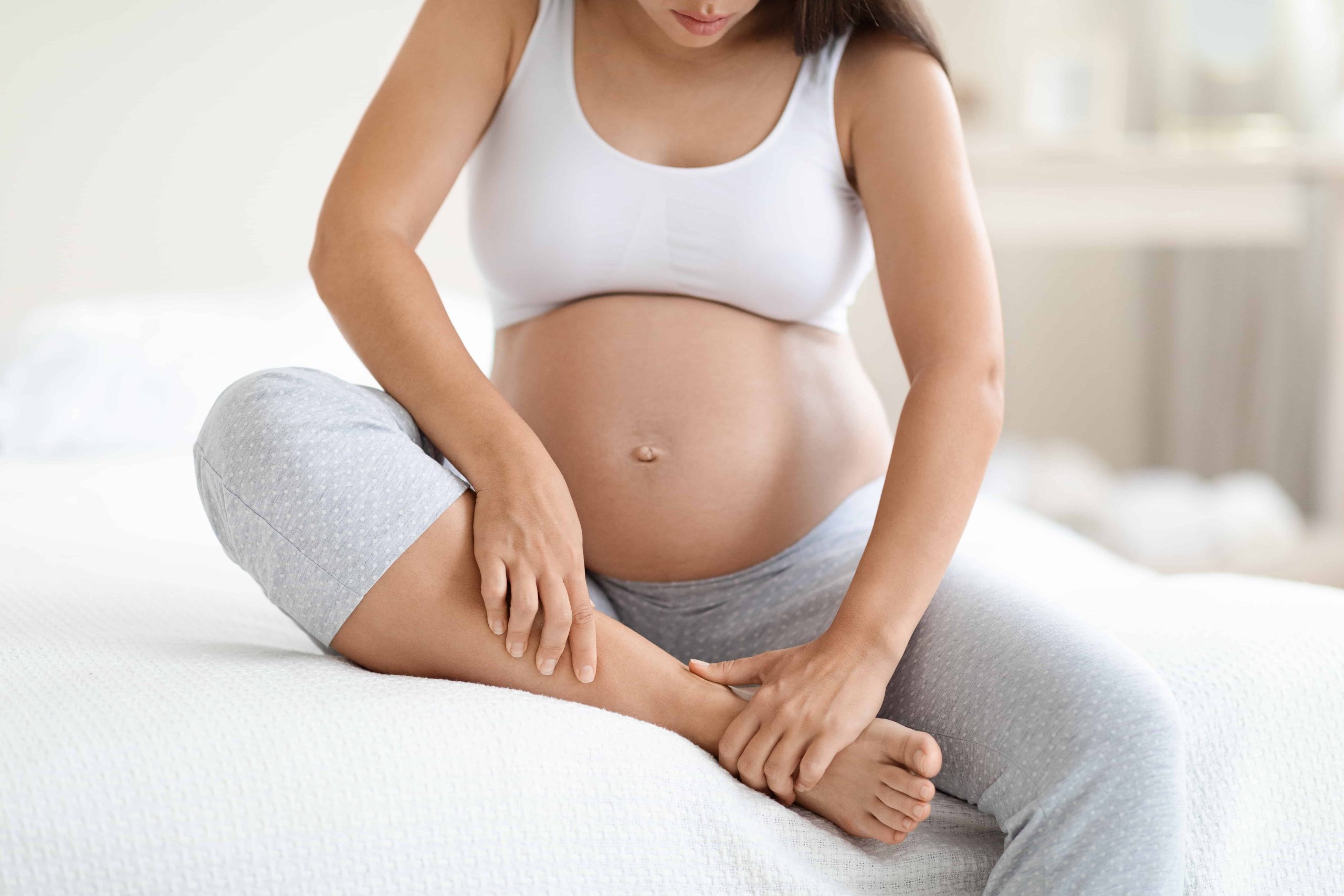
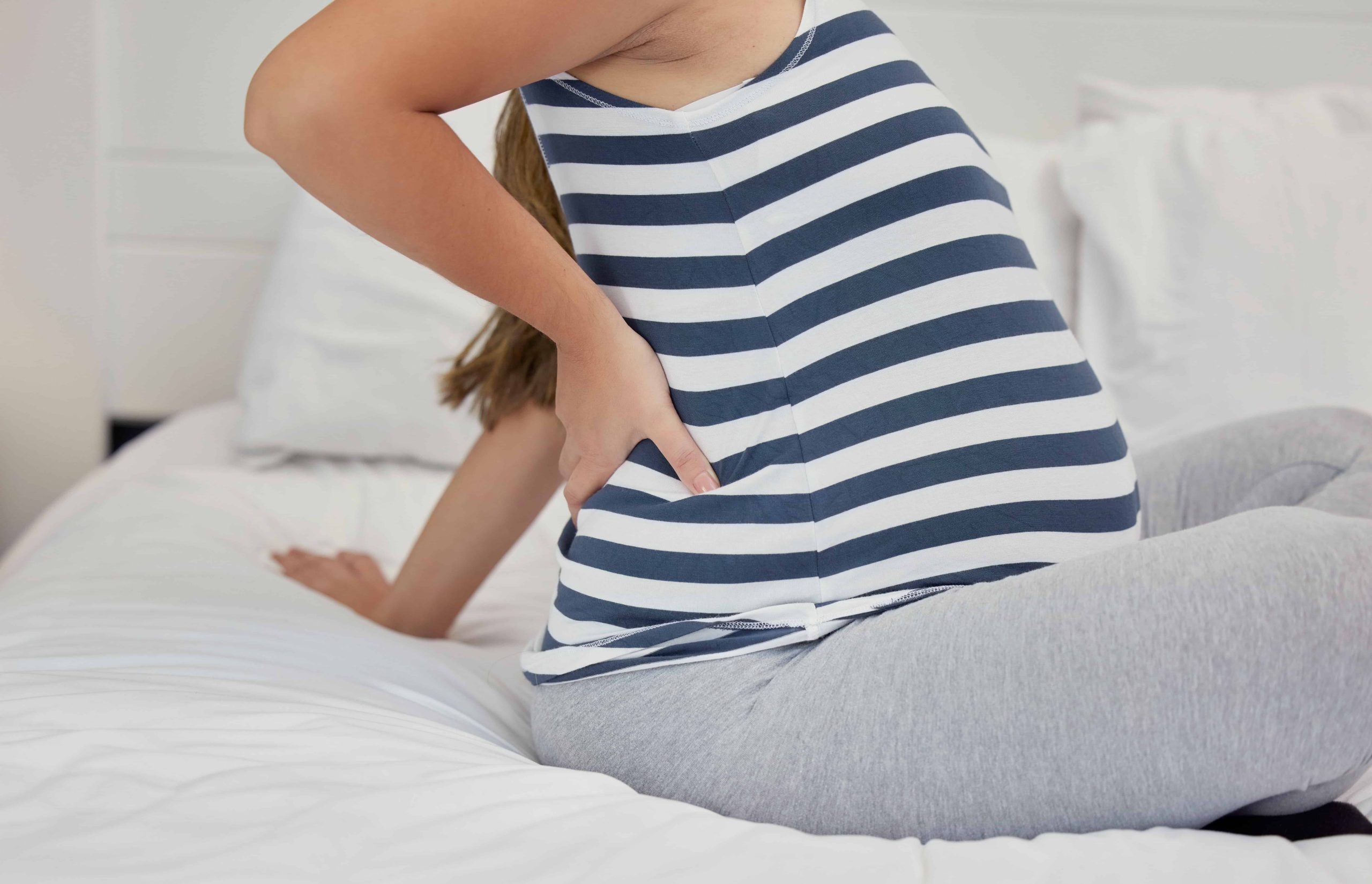
Pain and discomfort are common during pregnancy due to physical and hormonal changes. Many women experience headaches, back pain, leg cramps, or joint discomfort. However, not all pain relief methods are safe during pregnancy, so it’s important to choose carefully.
This guide explains safe pain relief options for pregnant women, including natural methods and medications that may be used under medical supervision.
Why Pain Happens During Pregnancy
Pain can occur due to:
- Weight gain and body changes
- Hormonal shifts (like relaxin affecting joints)
- Posture changes
- Muscle strain and fatigue
- Increased pressure on nerves
Understanding the cause helps in choosing the right relief method.
Safe Natural Pain Relief Methods
Natural methods are usually the first choice during pregnancy.
1. Rest and Proper Sleep
Rest is one of the simplest and most effective solutions.
Tips:
- Sleep 7–9 hours daily
- Take short naps when needed
- Use pillows for support
Proper rest helps reduce body strain and fatigue-related pain.
2. Correct Posture
Good posture reduces pressure on your back and joints.
Tips:
- Sit with back support
- Avoid slouching
- Stand straight with balanced weight
3. Warm Compress
Heat therapy can relax muscles and reduce pain.
How to use:
- Apply a warm (not hot) compress
- Use for 15–20 minutes
- Avoid placing directly on abdomen
4. Gentle Exercise
Light activity improves blood circulation and reduces stiffness.
Safe options:
- Walking
- Prenatal yoga
- Stretching
Exercise should always be approved by your doctor.
5. Prenatal Massage
Massage can help relieve muscle tension.
Important:
- Only use trained professionals
- Avoid deep pressure areas
- Inform therapist about pregnancy
6. Supportive Gear
Using support items can reduce strain.
Helpful options:
- Maternity support belts
- Comfortable shoes
- Pregnancy pillows
7. Hydration and Nutrition
Sometimes pain is linked to dehydration or deficiencies.
What helps:
- Drink enough water
- Eat balanced meals
- Include calcium and magnesium-rich foods
8. Relaxation Techniques
Stress can increase pain sensitivity.
Try:
- Deep breathing
- Meditation
- Calm music
- Gentle stretching
Medical Pain Relief Options (Doctor Approved)
Medication should always be used carefully and only when necessary.
1. Paracetamol
This is the most commonly recommended pain reliever during pregnancy.
Used for:
- Headaches
- Mild body pain
- Fever
Important:
- Use only recommended dosage
- Avoid frequent or long-term use without advice
2. Topical Treatments (Limited Use)
Some creams or gels may be allowed for muscle pain.
Important:
- Must be doctor-approved
- Avoid strong medicated creams
- Do not apply near abdomen
3. Physical Therapy
For persistent pain, doctors may recommend:
- Guided exercises
- Posture correction
- Pain management techniques
This is especially helpful for back and pelvic pain.
Pain Relief Methods to Avoid
Some methods are unsafe during pregnancy.
Avoid:
- Strong painkillers like NSAIDs (especially in later pregnancy)
- Self-medication
- Hot tubs or overheating
- Intense physical therapy without guidance
- Unapproved herbal remedies
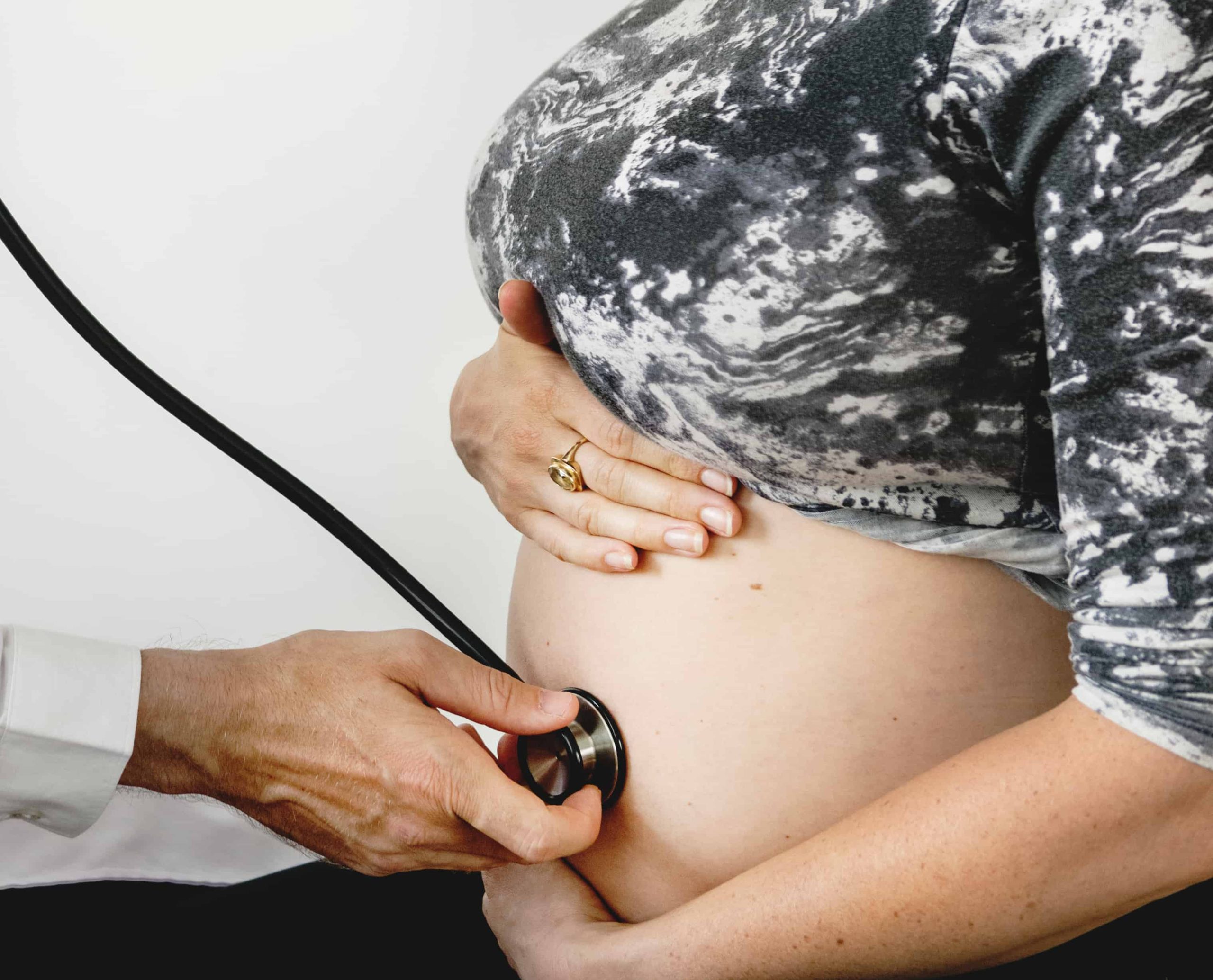
When to See a Doctor
Not all pain is normal. Seek medical advice if you have:
- Severe or constant pain
- Pain with fever
- Sharp abdominal pain
- Pain with bleeding
- Sudden swelling or headaches
These may indicate a more serious condition.
Tips for Daily Pain Management
- Stay active but avoid overexertion
- Take frequent breaks
- Use supportive seating
- Maintain proper hydration
- Listen to your body’s limits
Final Thoughts
Pain during pregnancy is common, but it should be managed safely. Natural remedies like rest, posture correction, and gentle exercise are usually the best first steps. When needed, certain medications like paracetamol may be used under medical supervision.
Key takeaways:
- Prefer natural pain relief methods first
- Avoid unsafe medications
- Always consult your doctor before taking any medicine
- Monitor symptoms and act early if pain becomes severe
With the right approach, you can manage discomfort effectively while keeping both you and your baby safe.