- May 4, 2026
- 0
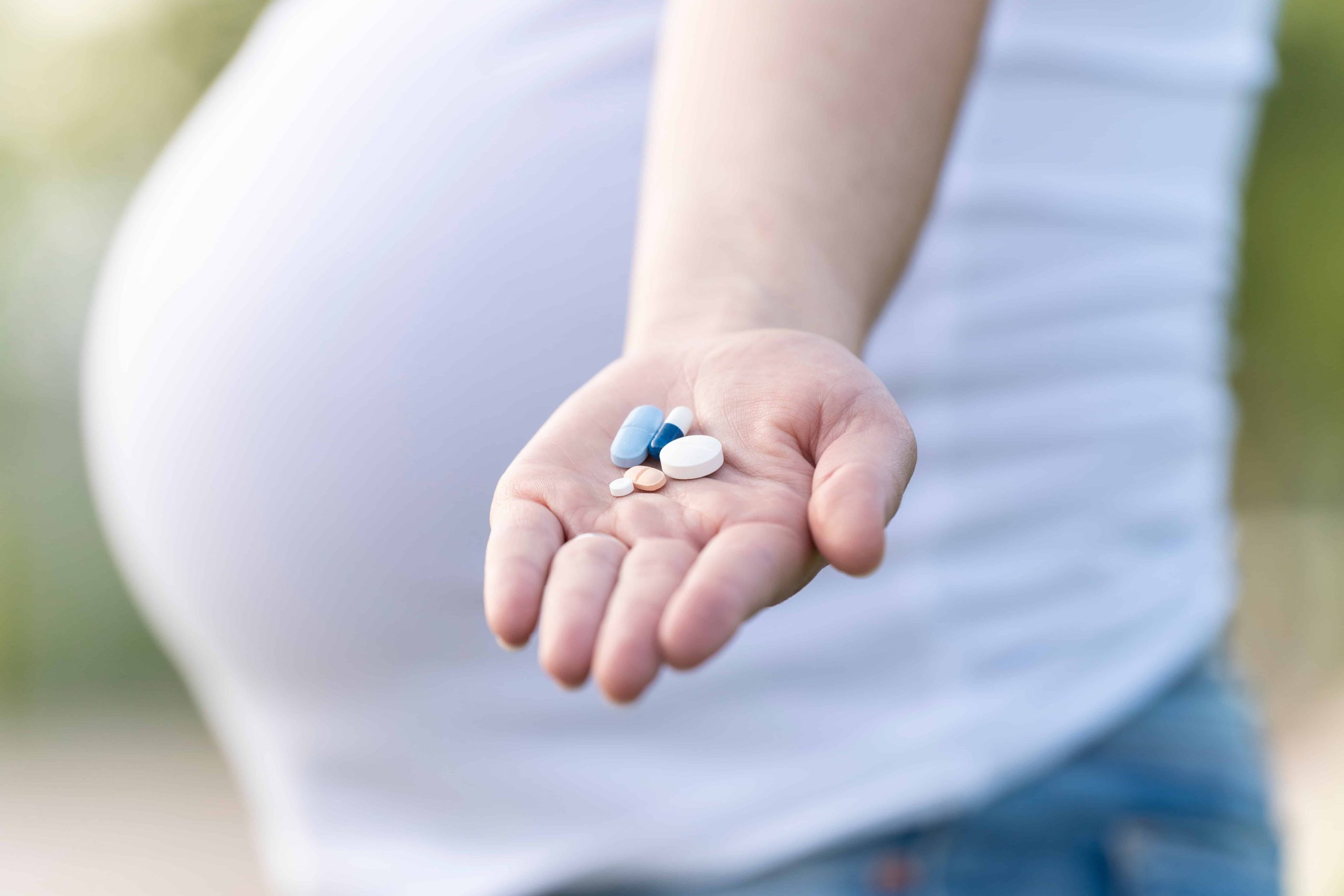
During pregnancy, certain medications can harm the developing baby or increase the risk of complications. Because the baby’s organs form in early pregnancy, even small exposures to unsafe drugs can sometimes have serious effects.
This guide explains which drugs to avoid while pregnant and why they are considered risky.
Why Some Drugs Are Dangerous in Pregnancy
Medications can affect pregnancy in different ways:
- Interfere with baby’s organ development
- Increase risk of miscarriage
- Affect growth and brain development
- Cause birth defects
- Trigger pregnancy complications
That’s why medication use must always be carefully controlled and supervised by a doctor.
1. Strong Painkillers (NSAIDs)
Certain painkillers are not safe, especially in later pregnancy.
Examples include:
- Ibuprofen
- Diclofenac
- Naproxen
Why to avoid:
- Can affect baby’s heart and kidney development
- May reduce amniotic fluid
- Increase risk of complications in late pregnancy
Safer alternative:
- Paracetamol (only if prescribed)
2. Certain Acne Medications
Some acne treatments are highly unsafe during pregnancy.
Examples:
- Isotretinoin
- Retinoid creams or oral forms
Why to avoid:
- Can cause serious birth defects
- Affects facial, heart, and brain development
These should be stopped before pregnancy planning.
3. Weight Loss or Diet Drugs
Any medication designed for weight loss should be avoided.
Why to avoid:
- Can interfere with baby’s growth
- Not tested for pregnancy safety
- May affect hormone balance
Pregnancy weight changes should be managed naturally through diet.
4. Herbal and Unregulated Supplements
Not all “natural” products are safe.
Examples:
- Herbal detox teas
- Unregulated slimming pills
- Unknown traditional mixtures
Why to avoid:
- No safety testing in pregnancy
- Can contain harmful ingredients
- May trigger contractions or bleeding
Always consult a doctor before using any supplement.
5. Some Antibiotics (Without Prescription)
Not all antibiotics are safe during pregnancy.
Risky when taken without guidance:
- Certain tetracyclines
- Some fluoroquinolones
Why to avoid:
- Can affect baby’s bone and teeth development
- May cause toxicity
Only doctor-prescribed antibiotics should be used.
6. High-Dose Vitamin A Supplements
Vitamin A is essential but dangerous in excess.
Why to avoid:
- High doses can cause birth defects
- Affects baby’s organ development
Safe approach:
- Use prenatal vitamins only as prescribed
- Avoid extra vitamin A supplements
7. Anti-Seizure or Psychiatric Drugs (Without Supervision)
Some medications for neurological or mental health conditions may need adjustment.
Examples:
- Certain anticonvulsants
- Some mood stabilizers
Important:
- Never stop these suddenly
- Always consult a specialist
Doctors may adjust safe alternatives if needed.
8. Hormonal Medications
Some hormone-based drugs may not be safe unless prescribed.
Examples:
- Certain fertility hormones (after pregnancy confirmation)
- Unnecessary hormone therapy
Why to avoid:
- Can affect pregnancy balance
- May interfere with natural hormone changes
9. Cold and Flu Combination Medicines
Multi-symptom medicines often contain unsafe ingredients.
Why to avoid:
- May include decongestants or strong stimulants
- Can affect blood pressure
- Not all ingredients are pregnancy-safe
Safer option:
- Simple remedies like saline sprays or doctor-approved medicines
10. Blood Thinners (Without Medical Advice)
Some blood-thinning medications require careful monitoring.
Why to avoid unsupervised use:
- Risk of bleeding complications
- Requires strict dosage control
Only used when specifically prescribed.
Medicines That Are Generally Safer (Doctor Approved)
Some medications are commonly considered safer when prescribed:
- Paracetamol for pain/fever
- Prenatal vitamins
- Certain antacids
- Some antibiotics (doctor-selected types)
Even these should only be taken under medical guidance.
Important Safety Rules
Follow these rules during pregnancy:
- Never self-medicate
- Always inform your doctor about any drug you take
- Avoid herbal or over-the-counter drugs without approval
- Read medicine labels carefully
- Stop any non-essential medication after consulting your doctor
When to Contact a Doctor Immediately
Seek medical help if:
- You accidentally take an unsafe drug
- You experience unusual bleeding or pain
- Severe side effects appear after medication
- You are unsure about a medicine you took
Final Thoughts
Knowing which drugs to avoid during pregnancy is essential for protecting your baby’s health. Many common medications, supplements, and herbal products may seem harmless but can carry serious risks during this sensitive stage.
Key takeaways:
- Avoid NSAIDs, retinoids, and unregulated supplements
- Never take medication without medical advice
- Herbal does not always mean safe
- Always consult your doctor before starting or stopping any drug
Safe medication use is one of the most important parts of a healthy pregnancy journey.