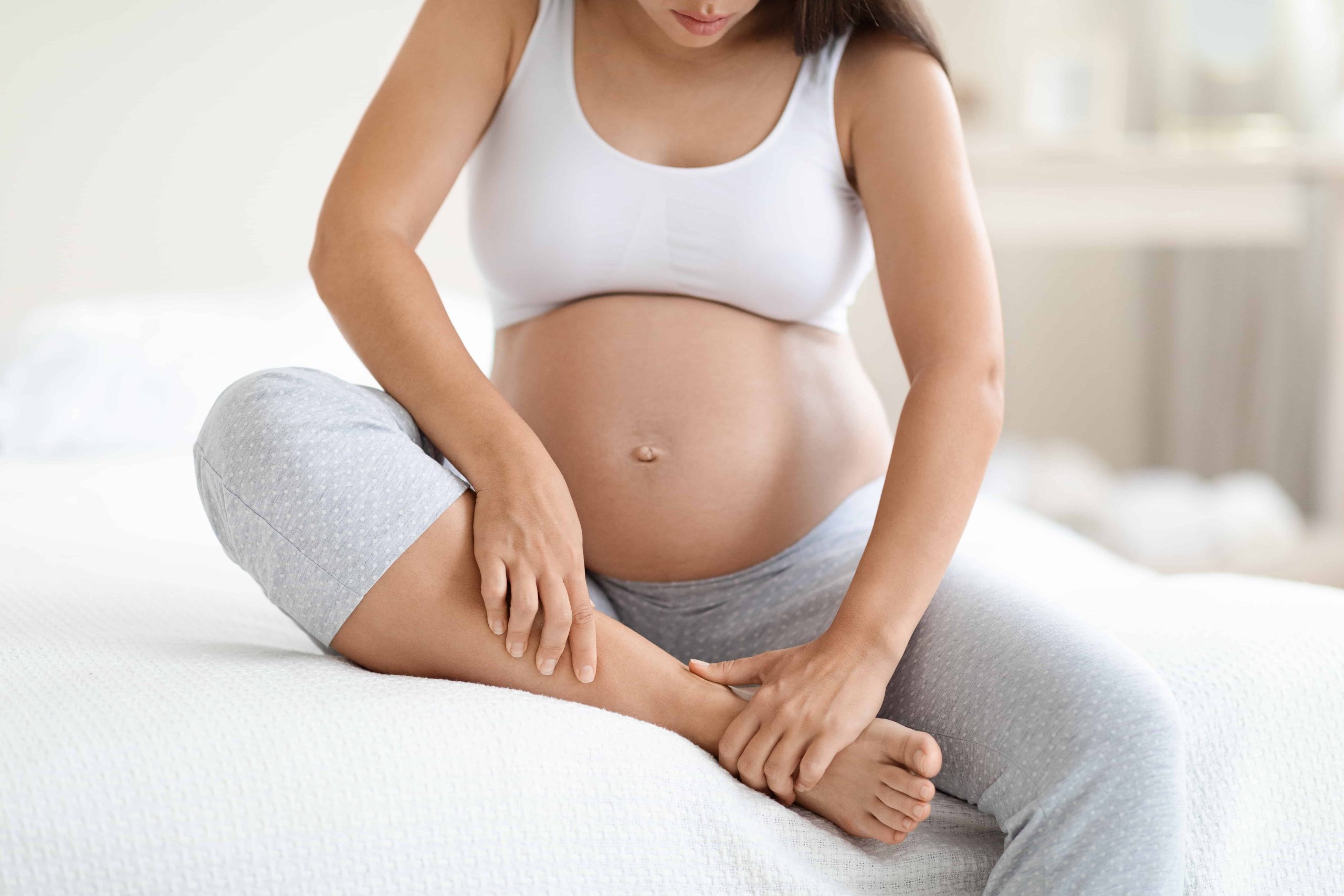
Swelling during pregnancy, also known as edema, is a very common experience—especially in the second and third trimesters. Many first-time moms notice their feet, ankles, hands, or face becoming puffy and wonder if it is normal or something serious.
In most cases, mild swelling is completely normal. However, understanding what causes it and when to be concerned is important for a safe pregnancy.
Why Swelling Happens During Pregnancy
Swelling occurs due to natural changes in your body while supporting your growing baby.
1. Increased Blood and Fluid Volume
During pregnancy:
- Your body produces more blood and fluids
- This helps support baby’s growth
- Extra fluid can collect in tissues, causing swelling
2. Pressure from Growing Baby
As the baby grows:
- Pressure increases on blood vessels in the lower body
- Blood flow from legs back to the heart slows down
- This leads to fluid buildup in feet and ankles
3. Hormonal Changes
Pregnancy hormones cause:
- Relaxation of blood vessel walls
- Fluid retention in the body
- Increased likelihood of swelling
4. Standing or Sitting for Long Periods
Long periods of inactivity can worsen swelling.
Effects include:
- Fluid pooling in lower legs
- Increased heaviness and discomfort
Where Swelling Usually Happens
Normal pregnancy swelling commonly affects:
- Feet
- Ankles
- Hands
- Fingers
- Face (mild puffiness)
It often becomes more noticeable as the day progresses.
What Swelling Is Considered Normal?
Normal swelling during pregnancy:
- Develops gradually
- Is mild to moderate
- Improves with rest or elevation
- Usually affects both sides equally
It is especially common in the third trimester and hot weather.
How to Reduce Swelling Safely
1. Elevate Your Legs
Raising your feet helps improve blood circulation.
Tips:
- Lie down and keep feet elevated above heart level
- Use pillows for support
- Do this several times a day
2. Stay Active with Light Exercise
Movement helps prevent fluid buildup.
Safe activities:
- Walking
- Gentle stretching
- Prenatal yoga
Avoid sitting or standing still for too long.
3. Drink Plenty of Water
It may sound surprising, but hydration helps reduce swelling.
Benefits:
- Flushes excess sodium
- Improves circulation
- Prevents dehydration-related swelling
4. Reduce Salt Intake
Too much salt can increase water retention.
Try to:
- Avoid salty snacks
- Limit processed foods
- Eat fresh home-cooked meals
5. Wear Comfortable Clothing
Tight clothing can restrict blood flow.
Better choices:
- Loose-fitting clothes
- Comfortable footwear
- Maternity support socks (if recommended)
6. Avoid Standing for Long Periods
If your routine involves standing:
- Take frequent breaks
- Sit and rest when possible
- Shift weight between legs
7. Sleep on Your Left Side
This position improves blood circulation.
Benefits:
- Better blood flow to the baby
- Reduced pressure on major veins
- Less swelling in legs
8. Cool Compress or Foot Soaks
Cooling methods can provide relief.
Try:
- Cool water foot soak
- Cold compress on swollen areas
- Avoid very hot environments
When Swelling Is NOT Normal
Contact your doctor immediately if swelling is:
- Sudden or severe
- Only in one leg
- Accompanied by pain or redness
- In face or hands with headaches or vision changes
- Paired with high blood pressure
These may be signs of a serious condition like preeclampsia.
Warning Signs to Watch
Seek medical help if you notice:
- Severe swelling in hands or face
- Rapid weight gain in a short time
- Headaches or blurred vision
- Chest pain or breathing difficulty
Early diagnosis is very important.
Final Thoughts
Swelling during pregnancy is usually normal and caused by natural changes in blood flow and hormones. Mild swelling in feet, ankles, or hands is common and often improves with rest and simple lifestyle changes.
Key points to remember:
- Mild swelling is normal in pregnancy
- It is more common in later months
- Rest, hydration, and movement help reduce it
- Sudden or severe swelling should always be checked by a doctor