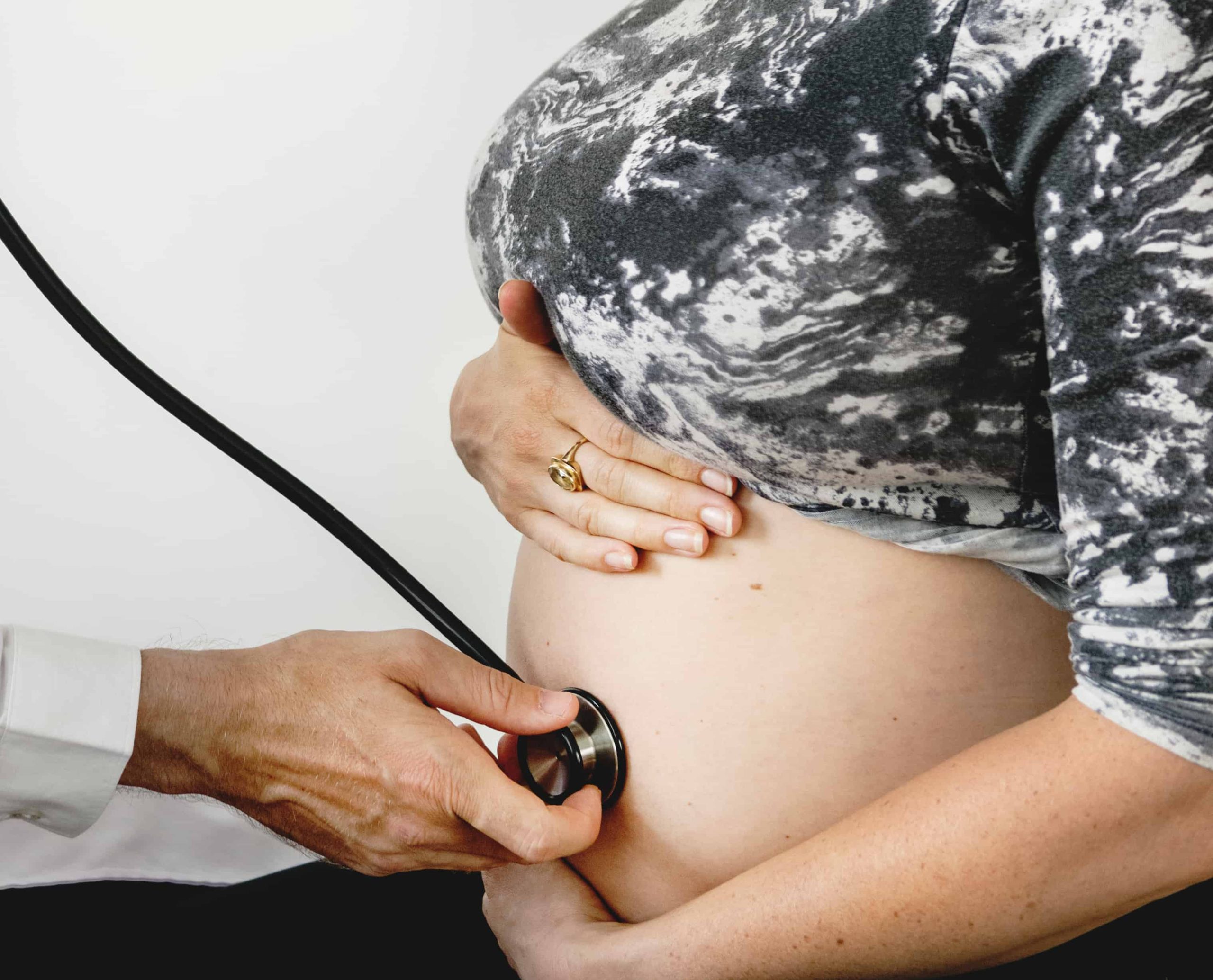

Pregnancy is a time when regular medical testing plays a key role in ensuring the health of both the mother and the baby. These tests help doctors monitor development, detect risks early, and provide timely treatment if needed.
This guide explains the essential tests during pregnancy, why they are done, and when they are usually recommended.
Why Pregnancy Tests Are Important
Regular prenatal tests help to:
- Confirm healthy baby development
- Detect genetic or structural abnormalities early
- Monitor mother’s overall health
- Identify pregnancy-related conditions
- Prevent complications during delivery
These tests are a standard part of safe prenatal care.
First Trimester Tests (Week 1–12)
The first trimester is crucial for early development, so initial testing is very important.
1. Pregnancy Confirmation Test
This is usually the first test done.
It includes:
- Urine pregnancy test
- Blood test for hCG levels
Purpose:
- Confirm pregnancy
- Estimate early hormone levels
2. Blood Group and Rh Factor Test
Purpose:
- Identify mother’s blood type
- Check Rh compatibility between mother and baby
Why it matters:
- Prevents complications in Rh-negative mothers
3. Complete Blood Count (CBC)
Purpose:
- Check hemoglobin levels
- Detect anemia or infection
Why it matters:
- Ensures oxygen supply for mother and baby
4. Urine Test
Purpose:
- Detect urinary tract infections
- Check protein or sugar levels
Why it matters:
- Early detection of infections or kidney issues
5. Early Ultrasound Scan
Usually done between 6–12 weeks.
Purpose:
- Confirm pregnancy location
- Check heartbeat
- Estimate due date
6. Infection Screening Tests
May include:
- Hepatitis B
- HIV
- Syphilis
Purpose:
- Prevent transmission to baby
- Ensure safe pregnancy management
Second Trimester Tests (Week 13–27)
This stage focuses on detailed growth and development monitoring.
1. Anomaly Scan (Level 2 Ultrasound)
Usually done around 18–22 weeks.
Purpose:
- Check baby’s organs and structure
- Detect physical abnormalities
- Monitor growth
2. Triple or Quadruple Marker Test
Purpose:
- Screen for genetic conditions
- Check risk of chromosomal abnormalities
Why it matters:
- Helps identify Down syndrome risk and other conditions
3. Glucose Tolerance Test (GTT)
Purpose:
- Check for gestational diabetes
Why it matters:
- High blood sugar can affect baby’s growth and delivery
4. Routine Urine and Blood Tests
Purpose:
- Monitor anemia
- Check infections
- Track overall health
5. Follow-up Ultrasound (If Needed)
Purpose:
- Monitor baby growth
- Check placenta position
- Ensure normal development
Third Trimester Tests (Week 28–40)
The final stage focuses on delivery preparation and safety.
1. Growth Scan
Purpose:
- Measure baby’s weight
- Check amniotic fluid level
- Monitor overall growth
2. Group B Streptococcus (GBS) Test
Purpose:
- Detect bacteria that may affect newborn
- Prevent infection during delivery
3. Non-Stress Test (NST)
Purpose:
- Monitor baby’s heartbeat
- Check oxygen supply and movement
4. Blood Pressure and Urine Monitoring
Purpose:
- Detect preeclampsia
- Monitor protein levels in urine
Why it matters:
- Prevents serious pregnancy complications
5. Final Position Ultrasound
Purpose:
- Check if baby is head-down
- Plan delivery method
Additional Tests (If Required)
Some women may need extra tests based on their condition:
- Thyroid function test
- Iron and vitamin deficiency tests
- Specialized genetic screening
- Repeated ultrasounds for high-risk pregnancy
How to Prepare for Pregnancy Tests
To get accurate results:
- Follow doctor instructions carefully
- Fast if required before blood sugar tests
- Stay hydrated unless advised otherwise
- Keep previous reports with you
- Ask questions if anything is unclear
Importance of Not Missing Tests
Skipping tests can lead to:
- Undetected complications
- Delayed treatment
- Increased delivery risks
- Poor baby growth monitoring
Regular testing ensures early intervention and safer pregnancy outcomes.
Final Thoughts
Essential pregnancy tests are a vital part of prenatal care. They help monitor your baby’s development, protect your health, and ensure a safe delivery.
Key points to remember:
- Each trimester has specific tests
- Early detection improves outcomes
- Always follow your doctor’s schedule
- Do not skip recommended screenings