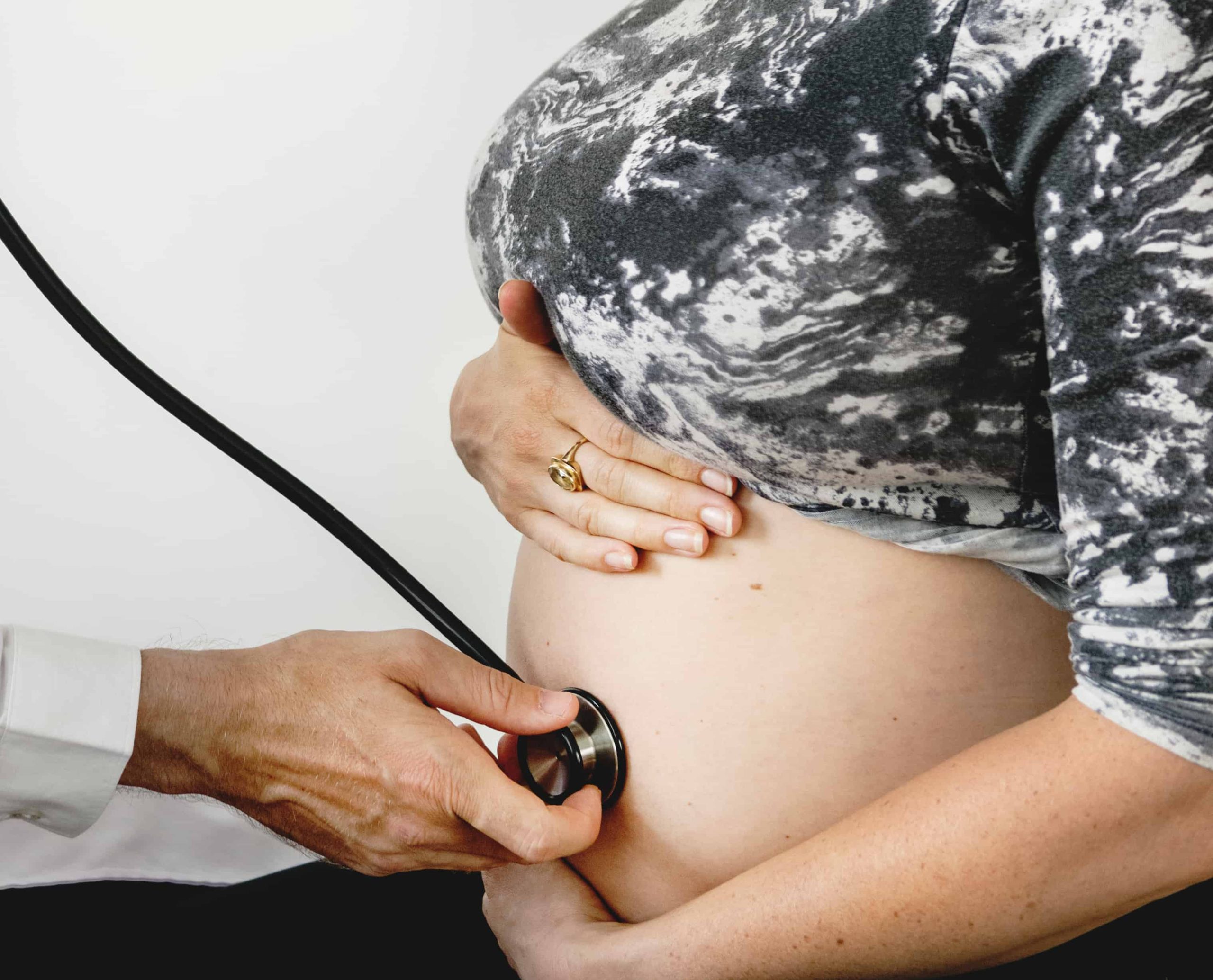

Monthly pregnancy doctor visits are an essential part of prenatal care, especially during the early and middle stages of pregnancy. These regular checkups help ensure that both mother and baby are healthy, growing properly, and free from complications.
This monthly pregnancy doctor visit guide explains what happens at each visit, what doctors check, and how you can prepare for them.
Why Monthly Doctor Visits Are Important
Regular checkups help to:
- Monitor baby’s growth and development
- Track mother’s health changes
- Detect early signs of complications
- Provide guidance on diet and lifestyle
- Offer emotional reassurance
These visits ensure that pregnancy progresses safely and smoothly.
How Often Are Monthly Visits Needed?
In a normal pregnancy:
- From early pregnancy to 28 weeks: once every 4 weeks (monthly visits)
- After 28 weeks: visits become more frequent (every 2 weeks, then weekly)
Your doctor may adjust the schedule based on your health condition.
What Happens in Each Monthly Visit?
Although each visit may vary slightly, most include similar checks.
1. Weight and Blood Pressure Check
At every visit, your doctor will monitor:
- Weight gain
- Blood pressure levels
Why it matters:
- Sudden weight changes can signal issues
- High blood pressure may indicate pregnancy complications
2. Baby’s Growth Monitoring
Doctors check how your baby is developing.
They may assess:
- Baby’s size (measured through abdomen growth)
- Baby’s heartbeat
- Movement (in later months)
3. Urine and Blood Tests
These tests help detect hidden problems early.
Common checks include:
- Sugar levels (gestational diabetes)
- Protein in urine (pre-eclampsia risk)
- Iron levels (anemia)
- Infection screening
4. Ultrasound Scans (When Needed)
Not every visit includes an ultrasound, but they are done at key stages.
Ultrasounds help:
- Confirm baby’s growth
- Check position in uterus
- Monitor organs and development
5. Discussion of Symptoms
Your doctor will ask about:
- Nausea or vomiting
- Fatigue levels
- Sleep quality
- Pain or discomfort
- Any unusual symptoms
This helps adjust your care plan if needed.
6. Diet and Nutrition Advice
Nutrition is reviewed regularly.
Doctors may guide you on:
- Balanced diet plans
- Foods to avoid
- Required supplements like folic acid and iron
- Weight gain goals
7. Medication and Supplements Review
If you are taking prenatal vitamins or medications:
- Dosage is checked
- Adjustments are made if needed
- Safety is reviewed
Never change medication without doctor approval.
8. Emotional and Mental Health Check
Pregnancy affects emotional well-being too.
Your doctor may ask about:
- Stress or anxiety
- Mood changes
- Sleep disturbances
Support and advice are provided if needed.
Monthly Visit Breakdown by Trimester
First Trimester (Week 1–12)
Focus on:
- Pregnancy confirmation
- Early scans
- Basic blood tests
- Health history review
Second Trimester (Week 13–27)
Focus on:
- Baby growth monitoring
- Anatomy scans
- Energy and nutrition management
- First baby movements
Third Trimester (Week 28+)
Visits become more frequent, focusing on:
- Baby position
- Labor preparation
- Cervix and delivery readiness
- Monitoring for complications
How to Prepare for Your Doctor Visit
To make your visit effective:
- Write down symptoms or questions
- Keep a record of baby movements (later stages)
- Bring previous reports and tests
- Note any new discomforts
- Stay honest about your health habits
Warning Signs Between Visits
Do not wait for your next appointment if you experience:
- Heavy bleeding
- Severe abdominal pain
- High fever
- Sudden swelling in face or hands
- Reduced baby movement (later pregnancy)
Contact your doctor immediately.
Benefits of Regular Monthly Visits
Consistent checkups help ensure:
- Early detection of risks
- Healthy baby development
- Safe weight and nutrition control
- Reduced pregnancy anxiety
- Better preparation for delivery
Final Thoughts
Monthly pregnancy doctor visits are a key part of a safe and healthy pregnancy journey. They provide continuous monitoring, early diagnosis of potential issues, and guidance at every stage.
Key reminders:
- Never skip appointments
- Share all symptoms honestly
- Follow medical advice carefully
- Stay consistent with checkups
With regular prenatal care, you can ensure a healthier pregnancy and a safer delivery for both you and your baby.