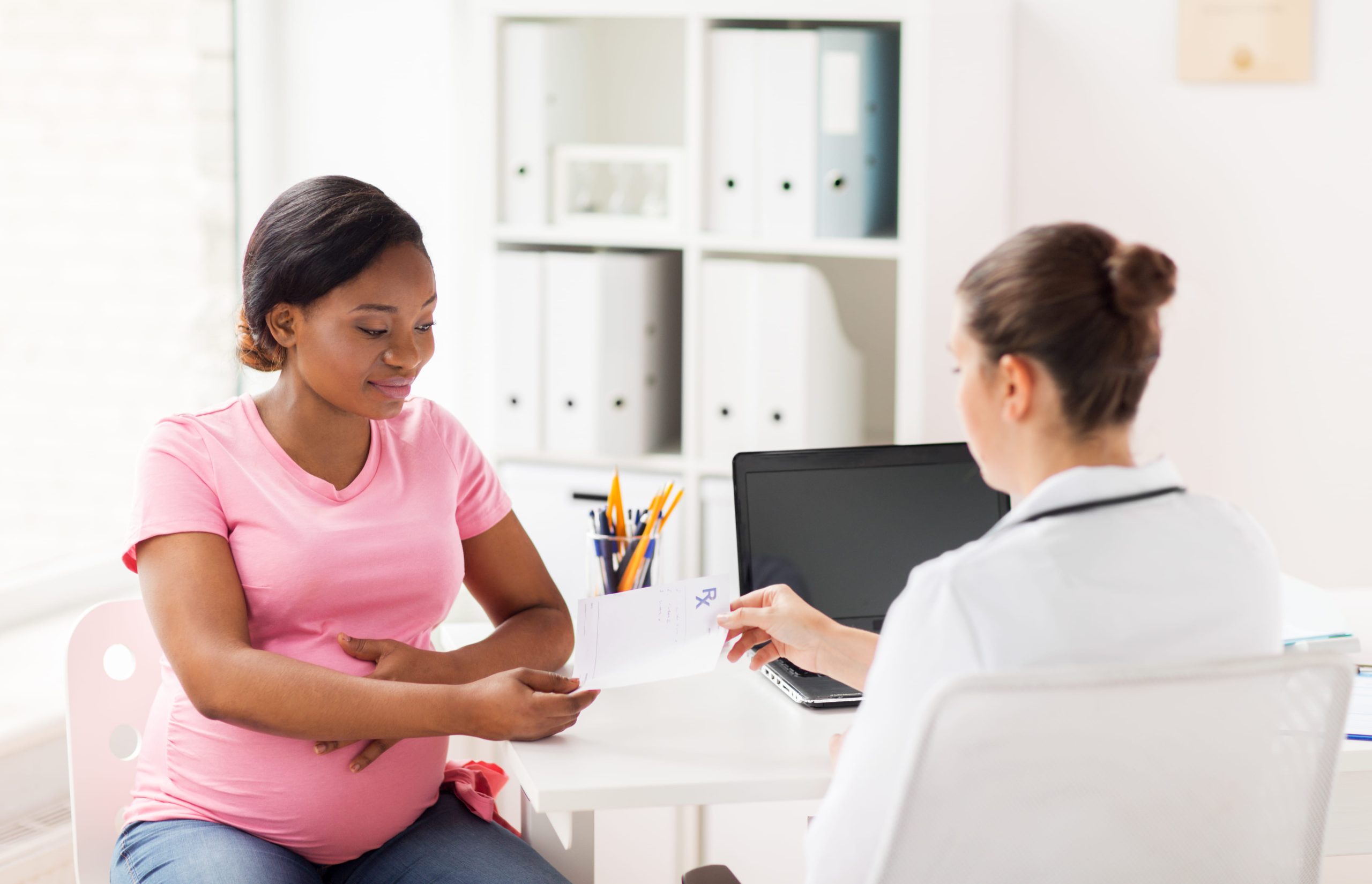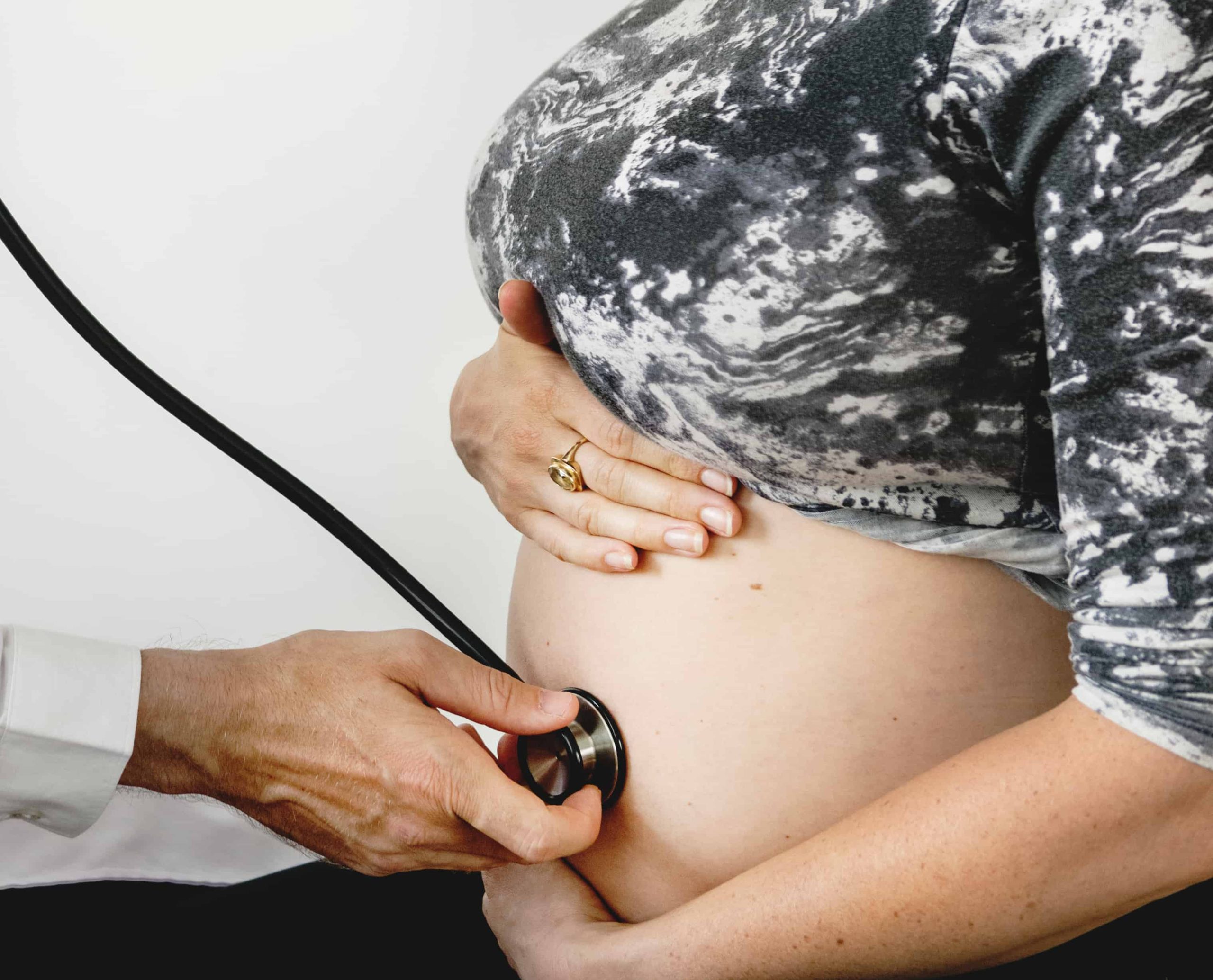

Nausea and vomiting, commonly known as morning sickness, are among the most common early pregnancy symptoms. Despite the name, it can happen at any time of the day or night. It usually starts around the 6th week of pregnancy and improves for many women by the second trimester.
Although it can feel uncomfortable, morning sickness is usually normal and often a sign of healthy hormonal changes. This guide explains safe and effective remedies for nausea and morning sickness during pregnancy.
Why Morning Sickness Happens
Morning sickness is mainly caused by hormonal changes in early pregnancy.
Key reasons include:
- Rising levels of hCG hormone
- Increased estrogen levels
- Sensitivity to smell and taste
- Slower digestion during pregnancy
Every woman experiences it differently—some mildly, others more intensely.
1. Eat Small, Frequent Meals
An empty stomach can make nausea worse.
What to do:
- Eat 5–6 small meals a day
- Avoid long gaps between meals
- Keep light snacks nearby
Best options:
- Crackers
- Toast
- Bananas
- Plain rice or oats
2. Start Your Day with Dry Food
Before getting out of bed:
- Eat a few crackers or dry toast
- Wait a few minutes before standing up
This helps settle the stomach early in the morning.
3. Stay Hydrated in Small Sips
Dehydration can worsen nausea.
Tips:
- Drink water slowly throughout the day
- Try small sips instead of large amounts
- Include fluids like coconut water or lemon water
Avoid drinking too much liquid during meals.
4. Avoid Strong Smells
Pregnancy increases smell sensitivity.
Try to avoid:
- Strong perfumes
- Fried food smells
- Cooking odors
Ventilate your space or use mild scents if needed.
5. Ginger for Nausea Relief
Ginger is a natural remedy that helps reduce nausea.
You can use:
- Ginger tea
- Ginger candies
- Fresh ginger in warm water
It helps calm the stomach naturally.
6. Eat Protein-Rich Snacks
Protein helps stabilize blood sugar and reduce nausea.
Good options:
- Nuts and almonds
- Yogurt
- Boiled eggs
- Peanut butter toast
7. Avoid Greasy and Spicy Foods
Heavy foods can worsen symptoms.
Avoid:
- Fried items
- Spicy dishes
- Fast food
- Oily snacks
Choose light, simple meals instead.
8. Rest and Manage Fatigue
Tiredness can make nausea worse.
Tips:
- Get enough sleep (7–9 hours)
- Take short naps during the day
- Avoid overexertion
9. Fresh Air and Light Activity
Sometimes movement helps improve symptoms.
Try:
- Short walks
- Sitting near fresh air or open windows
- Light stretching
Avoid overheating or intense exercise.
10. Vitamin B6 (Doctor Recommended)
Vitamin B6 is often used to reduce nausea.
Important:
- Only take supplements after doctor approval
- Do not self-medicate
11. Eat Cold or Room Temperature Foods
Hot foods have stronger smells, which can trigger nausea.
Better choices:
- Cold fruits
- Yogurt
- Sandwiches
- Smoothies
12. Acupressure and Wrist Bands
Some women find relief using wrist bands that apply pressure to specific points.
These may help:
- Reduce nausea intensity
- Provide natural symptom relief
When to See a Doctor
Seek medical help if you experience:
- Severe vomiting
- Inability to keep food or water down
- Weight loss
- Signs of dehydration (dizziness, dark urine)
This could indicate a condition called hyperemesis gravidarum.
Final Thoughts
Morning sickness is uncomfortable but usually temporary and manageable. Most women find relief as pregnancy progresses, especially in the second trimester.
Key takeaways:
- Eat small, frequent meals
- Stay hydrated
- Avoid triggers like strong smells and greasy foods
- Use natural remedies like ginger
- Rest properly
With simple lifestyle adjustments, you can manage nausea more comfortably and support a healthier pregnancy journey.