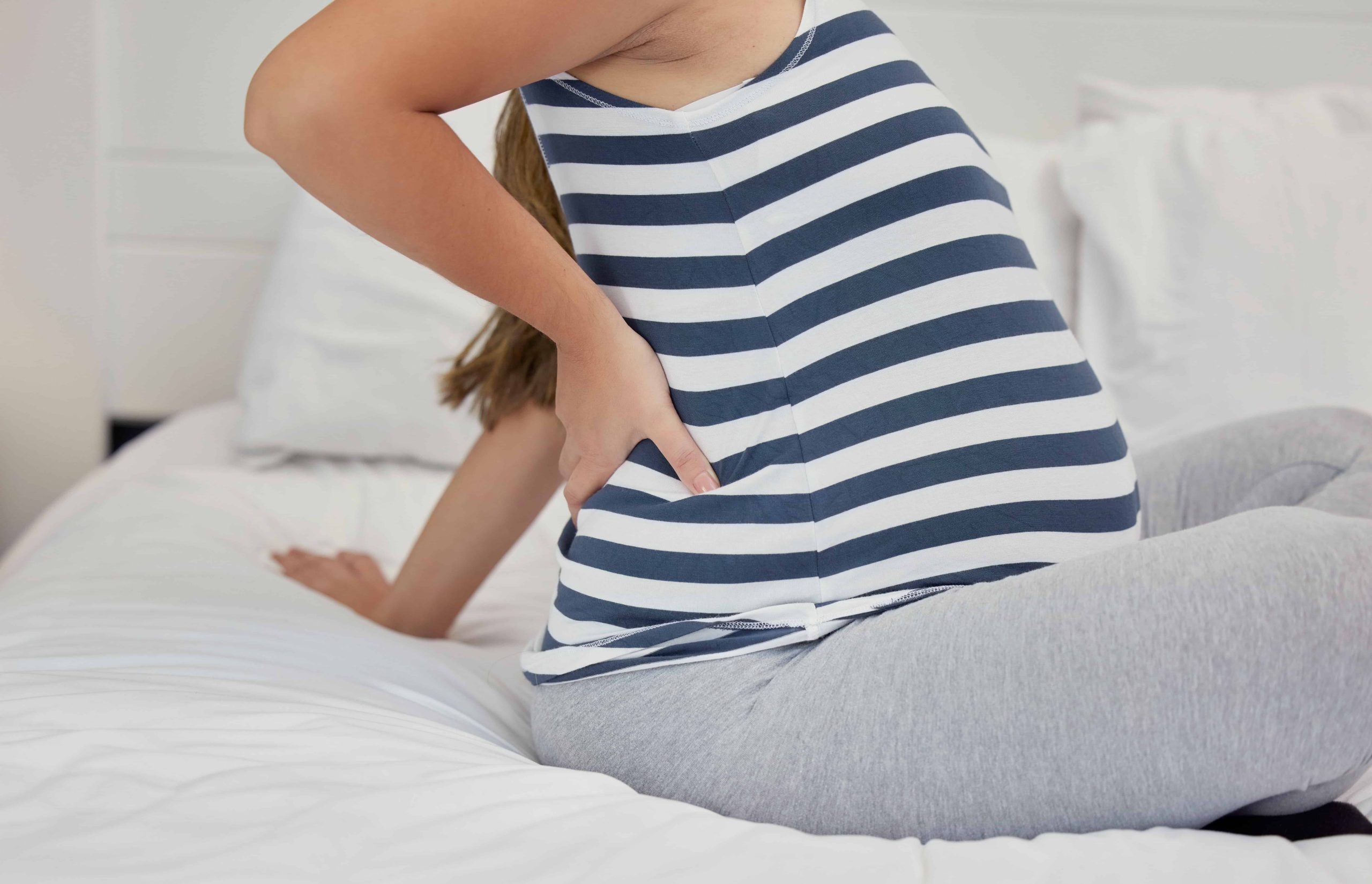
Back pain is one of the most common discomforts during pregnancy, especially in the second and third trimesters. Many first-time moms experience it and worry whether it is normal or a sign of a problem. In most cases, pregnancy-related back pain is normal and manageable, but understanding the causes and relief methods can make a big difference in comfort.
This guide explains the causes of back pain in pregnancy and safe ways to relieve it.
Why Back Pain Happens During Pregnancy
Back pain occurs mainly due to physical and hormonal changes in your body.
1. Weight Gain and Growing Baby
As your baby grows:
- Your body gains extra weight
- Pressure increases on your spine and lower back
- Muscles work harder to support posture
This added weight is one of the biggest reasons for back pain.
2. Posture Changes
Your center of gravity shifts as your belly grows.
This leads to:
- Leaning backward while standing
- Poor posture while sitting or walking
- Extra strain on back muscles
Over time, this causes lower back discomfort.
3. Hormonal Changes
During pregnancy, your body releases a hormone called relaxin.
Its effects include:
- Loosening ligaments and joints
- Preparing the body for childbirth
- Reducing spinal stability
While necessary, it can increase back pain.
4. Weak Core Muscles
As pregnancy progresses:
- Abdominal muscles stretch
- Core strength decreases
- Back muscles take more pressure
This imbalance contributes to pain.
5. Stress and Fatigue
Emotional and physical stress can make pain worse.
You may experience:
- Muscle tension
- Increased sensitivity to pain
- Fatigue-related discomfort
Types of Back Pain in Pregnancy
Lower Back Pain
Most common type, caused by posture and weight changes.
Pelvic Pain
Feels like pressure in the lower abdomen and hips.
Sciatic Pain
Sharp pain that travels from lower back to legs due to nerve pressure.
Safe Ways to Relieve Back Pain
1. Maintain Good Posture
Proper posture reduces pressure on your spine.
Tips:
- Keep shoulders relaxed
- Stand straight with feet evenly balanced
- Avoid slouching while sitting
2. Use Supportive Pillows
Sleeping position matters a lot.
Try:
- Sleeping on your left side
- Using a pregnancy pillow between legs
- Supporting your back while sitting
3. Gentle Exercise
Light movement helps strengthen muscles.
Safe options:
- Walking
- Prenatal yoga
- Stretching exercises
Always follow doctor approval.
4. Apply Warm Compress
Heat can relax tight muscles.
How to use:
- Apply warm (not hot) compress to lower back
- Use for 15–20 minutes
- Avoid overheating the body
5. Wear Comfortable Shoes
Footwear affects your posture.
Avoid:
- High heels
- Flat unsupportive shoes
Choose:
- Cushioned, supportive shoes
6. Avoid Heavy Lifting
Lifting heavy objects increases strain.
Tips:
- Ask for help when needed
- Bend knees instead of back when picking items
7. Practice Relaxation Techniques
Stress can worsen pain.
Helpful methods:
- Deep breathing
- Meditation
- Light stretching
- Listening to calming music
8. Massage Therapy (With Care)
Gentle massage can help relieve tension.
Important:
- Only from trained professionals familiar with pregnancy
- Avoid pressure on abdomen
9. Maintain Healthy Weight Gain
Excess weight can increase back strain.
Tips:
- Follow balanced diet
- Avoid junk food
- Stay active as recommended
When to Contact a Doctor
Back pain is usually normal, but seek medical help if you experience:
- Severe or constant pain
- Pain with fever
- Bleeding or unusual discharge
- Sudden sharp pain in abdomen
- Difficulty walking
Preventing Back Pain in Pregnancy
You can reduce risk by:
- Staying active regularly
- Maintaining correct posture
- Avoiding long periods of standing or sitting
- Strengthening core muscles (with guidance)
- Wearing proper footwear
Final Thoughts
Back pain in pregnancy is very common and usually not dangerous. It happens due to natural changes in your body as your baby grows. The good news is that it can be managed with simple lifestyle adjustments.
Key takeaways:
- Most back pain is normal
- Posture and weight play a major role
- Gentle exercise and rest help a lot
- Always consult a doctor if pain becomes severe