
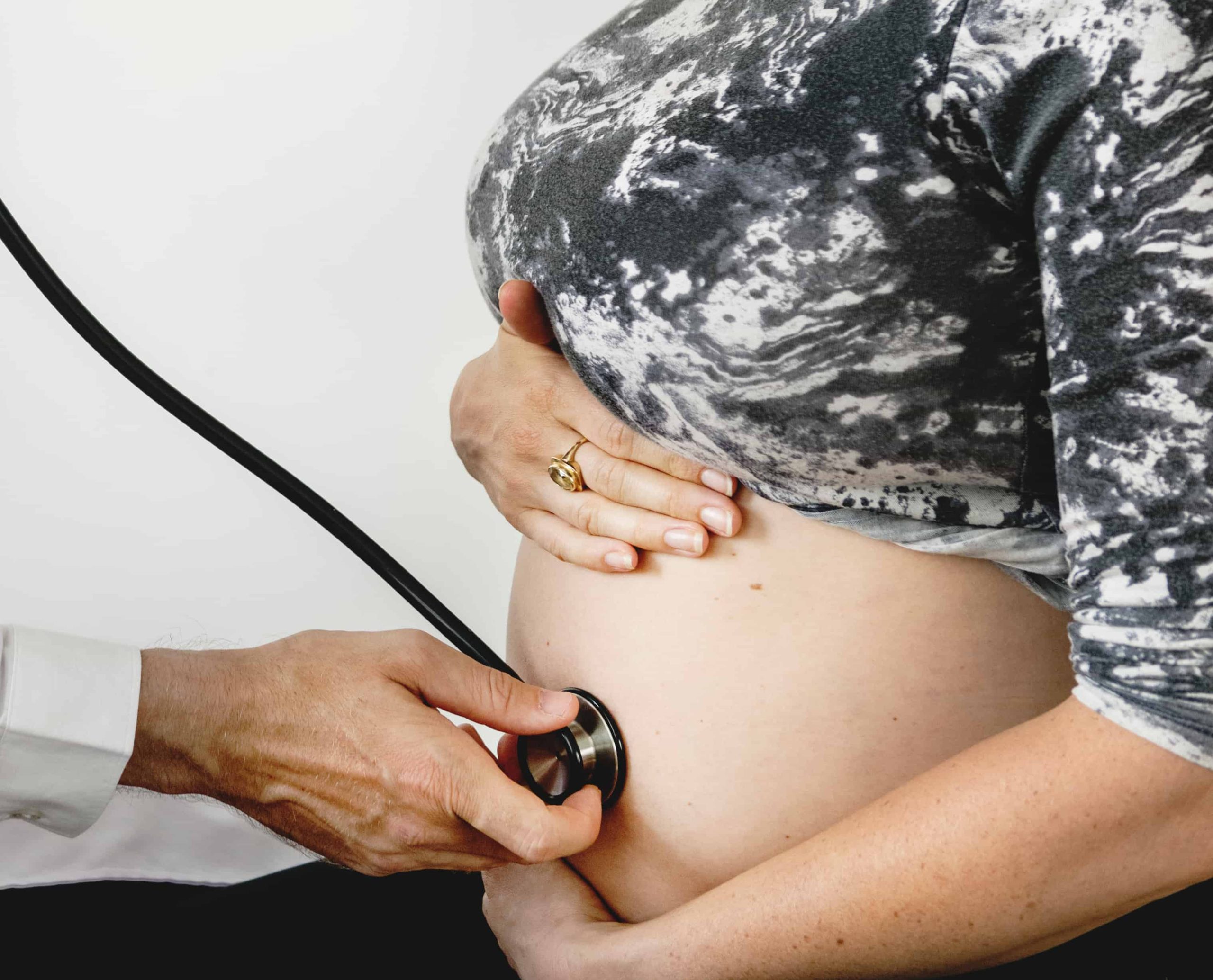
Prenatal checkups are regular medical visits during pregnancy that help ensure both the mother and baby are healthy. These visits allow doctors to monitor development, detect any early problems, and guide you through a safe pregnancy journey.
For first-time moms, prenatal care is especially important because it provides clear information, reduces risks, and helps you understand what is happening inside your body.
What Are Prenatal Checkups?
Prenatal checkups are scheduled doctor visits during pregnancy where your health and your baby’s growth are monitored.
During these visits, your doctor may:
- Check your blood pressure and weight
- Monitor baby’s heartbeat and growth
- Perform blood and urine tests
- Suggest ultrasound scans
- Provide diet and lifestyle advice
These visits are not just routine—they are essential for a healthy pregnancy.
Why Prenatal Checkups Are Important
1. Early Detection of Health Problems
Prenatal visits help detect issues early, such as:
- High blood pressure
- Gestational diabetes
- Infections
- Anemia
Early detection means early treatment, which improves safety for both mother and baby.
2. Monitoring Baby’s Growth
Doctors track your baby’s development throughout pregnancy.
They check:
- Baby’s size and weight
- Heartbeat
- Position in the womb
- Organ development
This ensures your baby is growing properly.
3. Preventing Complications
Regular checkups help reduce risks like:
- Premature birth
- Low birth weight
- Pregnancy-related complications
Preventive care is one of the biggest benefits of prenatal visits.
4. Guidance on Nutrition and Supplements
Your doctor will guide you about:
- Healthy diet plans
- Required vitamins like folic acid and iron
- Foods to avoid during pregnancy
This helps ensure proper nutrition for your baby’s development.
5. Tracking Your Health Changes
Pregnancy affects your entire body.
Doctors monitor:
- Blood pressure
- Weight gain
- Swelling
- Energy levels
This helps keep your health stable throughout pregnancy.
6. Emotional Support and Reassurance
Prenatal visits are not only physical checkups—they also provide emotional support.
You can:
- Ask questions about symptoms
- Discuss fears or concerns
- Get reassurance from your doctor
This reduces anxiety and confusion.
7. Ultrasound and Baby Monitoring
Ultrasounds are an important part of prenatal care.
They help:
- Confirm pregnancy
- Check baby’s growth stages
- Detect abnormalities
- Determine baby’s position
8. Preparing for Delivery
As pregnancy progresses, prenatal care helps you prepare for childbirth.
Your doctor may:
- Discuss delivery options
- Explain labor signs
- Guide hospital preparation
- Plan for any special care if needed
How Often Should Prenatal Checkups Be Done?
A general schedule is:
- First 28 weeks: once every 4 weeks
- 28 to 36 weeks: every 2 weeks
- After 36 weeks: every week
However, your doctor may adjust this based on your condition.
What Happens in the First Prenatal Visit?
Your first visit is very important.
It usually includes:
- Pregnancy confirmation
- Medical history review
- Blood and urine tests
- Estimated due date
- First ultrasound scan
This visit sets the foundation for your entire pregnancy care plan.
Warning Signs You Should Never Ignore
Between checkups, contact your doctor immediately if you experience:
- Heavy bleeding
- Severe abdominal pain
- High fever
- Severe headache or vision changes
- Reduced baby movements (later stages)
Benefits of Regular Prenatal Care
Regular checkups provide:
- Safer pregnancy
- Healthier baby development
- Reduced risk of complications
- Better birth outcomes
- Peace of mind for parents
Final Thoughts
Prenatal checkups are one of the most important parts of pregnancy care. They ensure that both mother and baby are healthy at every stage and help prevent complications before they become serious.
Key takeaway:
- Regular visits are essential
- Early detection saves lives
- Always follow your doctor’s schedule
With consistent prenatal care, you can enjoy a safer, healthier, and more confident pregnancy journey.