
Becoming a mother for the first time is a life-changing experience filled with excitement, uncertainty, and a lot of learning. Every pregnancy is unique, but there are some important things that every first-time mom should understand to feel more confident and prepared.
This guide will help you know what to expect during pregnancy, how to take care of yourself, and what really matters in this journey.
1. Every Pregnancy Is Different
One of the first things to understand is that no two pregnancies are the same.
You may experience:
- Different symptoms than others
- More or fewer pregnancy signs than expected
- Changes that come earlier or later
Some women have strong symptoms like nausea and fatigue, while others feel almost normal in early weeks. Both are completely fine.
2. Early Symptoms Can Be Confusing
Early pregnancy signs often feel similar to pre-period symptoms, such as:
- Breast tenderness
- Mood swings
- Bloating
- Mild cramps
- Fatigue
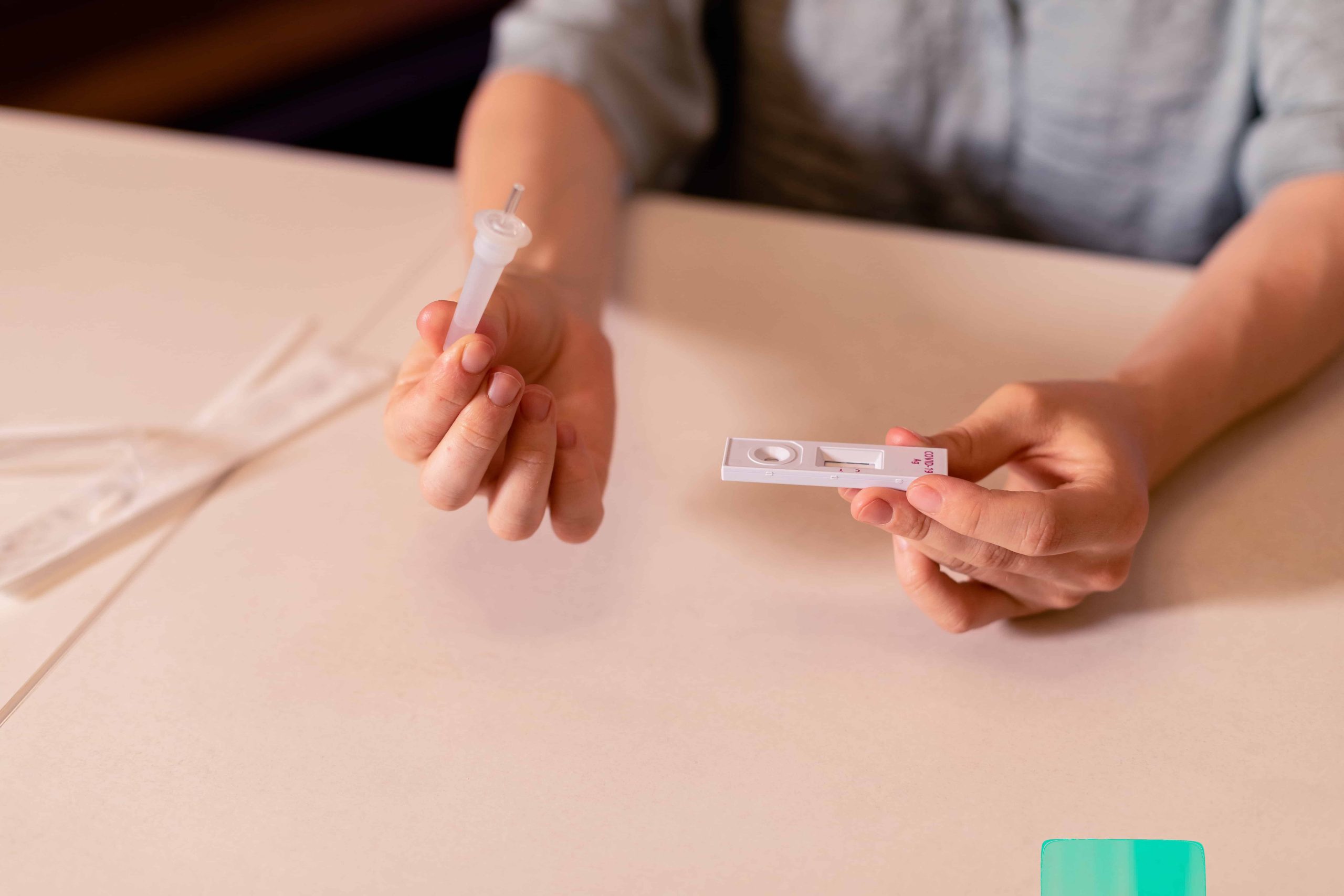
This is why many women don’t immediately realize they are pregnant. A missed period and a pregnancy test are usually needed for confirmation.
3. Your Body Will Change Gradually
Pregnancy is not an overnight transformation. Changes happen step by step:
- Hormonal shifts begin first
- Early symptoms appear in the first weeks
- Physical changes like belly growth come later
- Baby movements are usually felt in the second trimester
Understanding this timeline helps reduce stress and confusion.
4. Prenatal Care Is Very Important
Regular medical checkups are essential for a healthy pregnancy.
Doctors will:
- Monitor baby’s growth
- Check your blood pressure and health
- Recommend tests and scans
- Guide you about diet and supplements
Never skip prenatal appointments, even if you feel fine.
5. Nutrition Affects Your Baby’s Development
What you eat directly supports your baby’s growth.
Focus on:
- Fresh fruits and vegetables
- Whole grains
- Protein-rich foods like eggs, lentils, chicken
- Dairy products for calcium
- Iron-rich foods to prevent weakness
Avoid:
- Raw or undercooked food
- Excess junk food
- Alcohol and smoking
- Too much caffeine
6. Supplements May Be Necessary
Doctors often prescribe:
- Folic acid for early brain and spine development
- Iron to prevent anemia
- Calcium for bone strength
- Prenatal vitamins for overall support
Never take supplements without medical advice.
7. Emotional Changes Are Normal
Pregnancy hormones affect emotions strongly.
You may feel:
- Happy and excited one moment
- Anxious or emotional the next
- Irritable or sensitive
These mood changes are normal and temporary. Support from family and understanding your emotions can help a lot.
8. Rest Is Just as Important as Food
Your body is working harder than usual, even in early pregnancy.
Make sure to:
- Sleep at least 7–9 hours
- Take short naps when needed
- Avoid overexertion
- Listen to your body’s signals
Rest helps both you and your baby grow healthily.
9. Mild Symptoms Are Usually Normal
Some common and normal pregnancy symptoms include:
- Light spotting in early weeks
- Mild cramps
- Nausea or food aversions
- Tiredness
However, always stay alert to unusual or severe symptoms.
10. Warning Signs You Should Never Ignore
Contact a doctor immediately if you experience:
- Heavy bleeding
- Severe abdominal pain
- High fever
- Continuous vomiting
- Dizziness or fainting
Early medical attention is always safer.
11. Don’t Rely Only on Online Information
It’s normal to search online, but not everything applies to your situation.
Always:
- Confirm information with your doctor
- Avoid self-diagnosis
- Follow personalized medical advice
12. Preparing Mentally Matters Too
First-time moms often focus only on physical health, but mental preparation is equally important.
You should:
- Learn basic pregnancy knowledge
- Talk to experienced mothers
- Stay positive but realistic
- Avoid unnecessary stress
Confidence grows with understanding.
Final Thoughts
Every first-time mom goes through a learning phase, and that is completely normal. Pregnancy is a journey where your body and mind adjust step by step.
The most important things to remember are:
- Take care of your health
- Follow medical advice
- Eat well and rest properly
- Stay calm and informed