Pregnancy is one of the most life-changing experiences, and for many women, the curiosity begins even before a missed period. While a missed cycle is often the most recognized sign of pregnancy, your body can start showing subtle clues much earlier. Understanding these early pregnancy signs before a missed period can help you recognize what’s happening inside your body and take timely steps toward confirmation and care.
In this detailed guide, we’ll explore the most common early symptoms, why they happen, and how to distinguish them from regular premenstrual (PMS) signs.
Understanding Early Pregnancy Changes
Right after fertilization, your body begins producing hormones—especially human chorionic gonadotropin (hCG), progesterone, and estrogen. These hormones prepare your uterus for implantation and support the developing embryo. Even before your period is due, these hormonal shifts can trigger noticeable physical and emotional changes.
However, it’s important to note that every woman’s body reacts differently. Some may experience multiple symptoms, while others may notice none at all.
1. Light Spotting (Implantation Bleeding)
One of the earliest signs of pregnancy is light spotting, known as implantation bleeding. This occurs when the fertilized egg attaches itself to the uterine lining.
What to expect:
- Light pink or brown discharge
- Occurs about 6–12 days after ovulation
- Lasts a few hours to 1–2 days
Unlike a regular period, implantation bleeding is much lighter and does not increase in flow. Many women mistake it for an early or irregular period.
2. Mild Cramping
Along with spotting, you may feel mild cramps in your lower abdomen. These cramps are caused by the implantation process and hormonal changes.
Key differences from PMS cramps:
- Less intense than period cramps
- Shorter duration
- Not followed by heavy bleeding
3. Breast Tenderness and Changes
Hormonal fluctuations can make your breasts feel sore, swollen, or sensitive very early in pregnancy.
Common signs include:
- Increased sensitivity or tingling
- Heaviness in the breasts
- Darkening of the areolas
This symptom is similar to PMS but tends to feel more intense and lasts longer in pregnancy.
4. Fatigue and Low Energy
Feeling unusually tired is one of the most common early pregnancy symptoms. The hormone progesterone rises rapidly, which can make you feel sleepy and drained.
Why it happens:
- Your body is working overtime to support the embryo
- Increased blood production
- Hormonal changes affecting sleep patterns
Even if you’re getting enough rest, you might still feel exhausted throughout the day.
5. Frequent Urination
If you find yourself making more trips to the bathroom than usual, it could be an early pregnancy sign.
Causes:
- Increased blood flow to the kidneys
- Hormonal changes affecting fluid processing
This symptom usually continues throughout pregnancy, but it can start even before a missed period.
6. Nausea or Morning Sickness
Although commonly associated with later weeks, some women experience nausea very early—even before missing their period.
Signs to watch for:
- Feeling queasy in the morning or throughout the day
- Sensitivity to certain smells
- Loss of appetite or food aversions
Not all women experience morning sickness, but for those who do, it can begin surprisingly early.
7. Food Cravings and Aversions
Sudden changes in your food preferences can be an early indicator of pregnancy.
You may notice:
- Craving unusual foods
- Strong dislike for foods you previously enjoyed
- Heightened sense of smell
These changes are driven by hormonal shifts and can occur even before your period is due.
8. Mood Swings
Emotional changes are another early sign. Hormonal fluctuations can affect neurotransmitters in the brain, leading to mood swings.
Common experiences:
- Sudden irritability
- Feeling overly emotional
- Anxiety or excitement without clear reason
While mood swings are also common before periods, pregnancy-related emotional changes may feel stronger or more unpredictable.
9. Bloating
Feeling bloated before your period is normal, but early pregnancy can also cause similar symptoms.
Why it happens:
- Increased progesterone slows digestion
- Gas buildup in the intestines
This can make your abdomen feel full or tight, even if you haven’t eaten much.
10. Increased Basal Body Temperature
If you track your basal body temperature (BBT), you may notice it stays elevated after ovulation.
What it means:
- A sustained rise in temperature for more than 14 days may indicate pregnancy
This method is often used by women trying to conceive and can provide early clues.
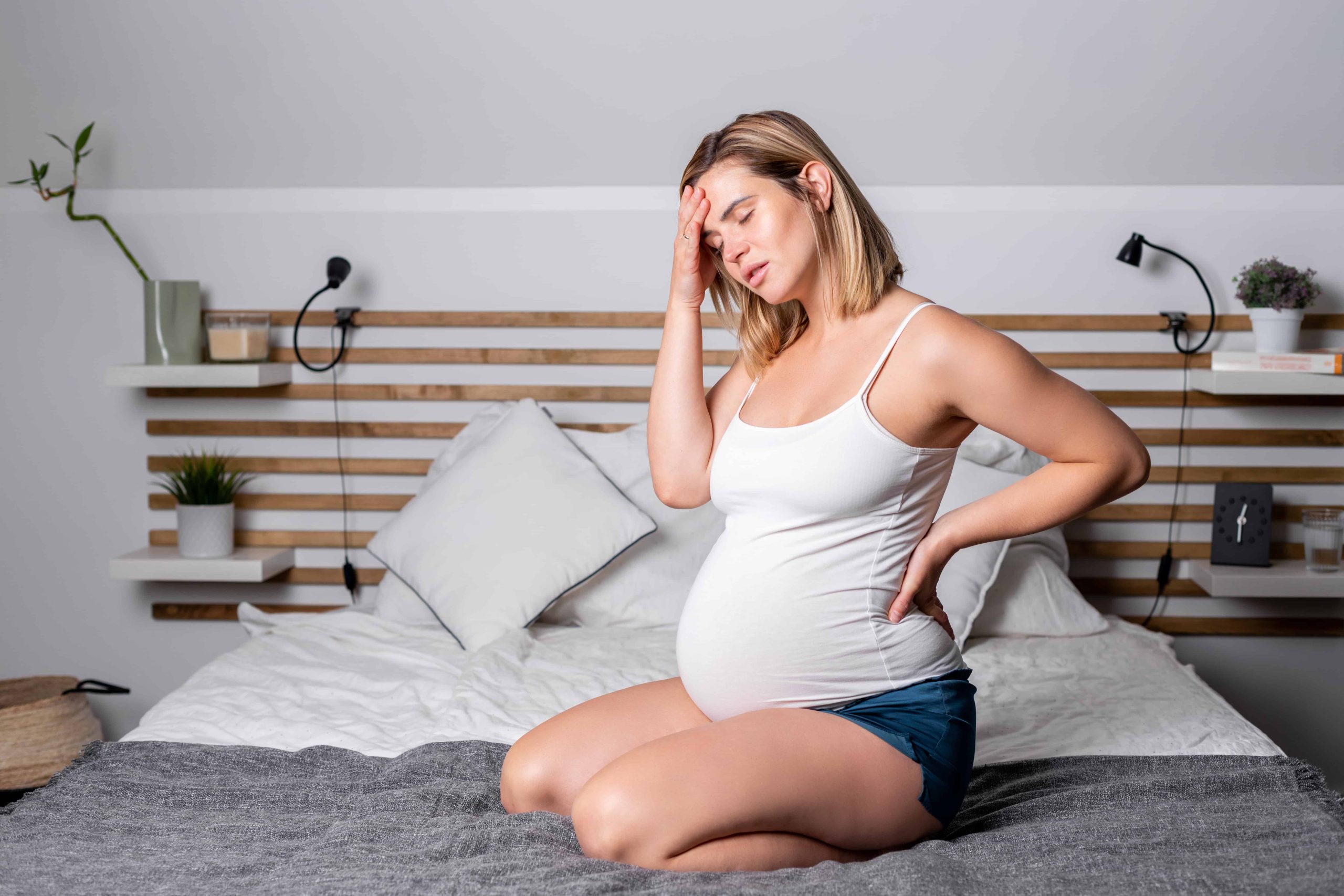
11. Headaches and Dizziness
Hormonal changes and increased blood circulation can lead to headaches or lightheadedness.
Possible reasons:
- Rising hormone levels
- Changes in blood pressure
- Low blood sugar
Staying hydrated and eating regularly can help manage these symptoms.
12. Metallic Taste in Mouth
Some women report a strange metallic taste (often described as “penny-like”) in their mouth during early pregnancy.
This condition, known as dysgeusia, is caused by hormonal changes and can affect your sense of taste.
Early Pregnancy vs PMS: How to Tell the Difference
Many early pregnancy symptoms overlap with PMS, making it difficult to distinguish between the two.
| Symptom | PMS | Early Pregnancy |
|---|---|---|
| Spotting | Rare | Light implantation bleeding |
| Breast tenderness | Common | More intense & longer lasting |
| Fatigue | Mild | Often extreme |
| Nausea | Rare | More common |
| Mood swings | Common | Often stronger |
| Missed period | No | Yes (later confirmation) |
The key difference is that pregnancy symptoms tend to persist and intensify, while PMS symptoms usually disappear once your period starts.
When Should You Take a Pregnancy Test?
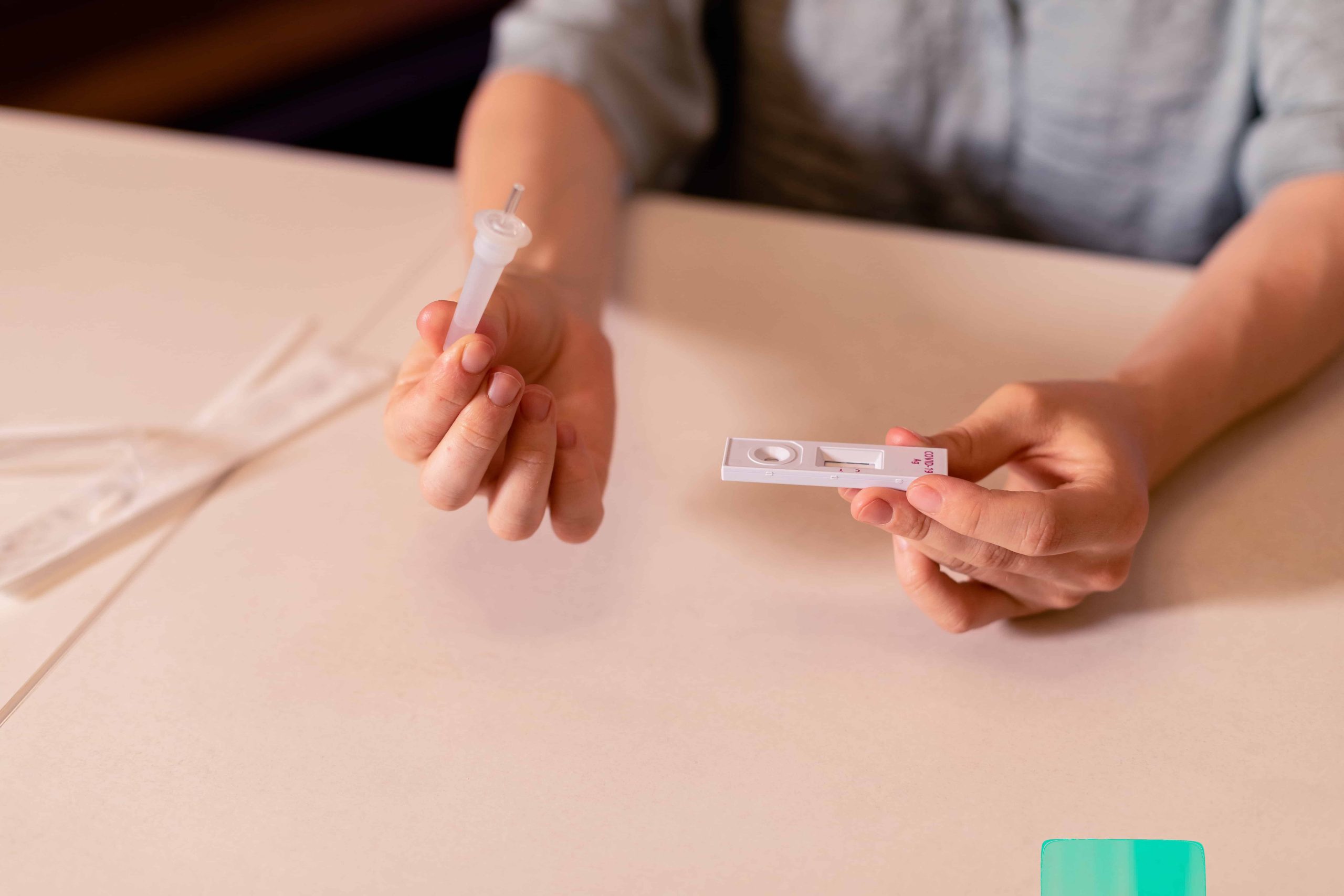
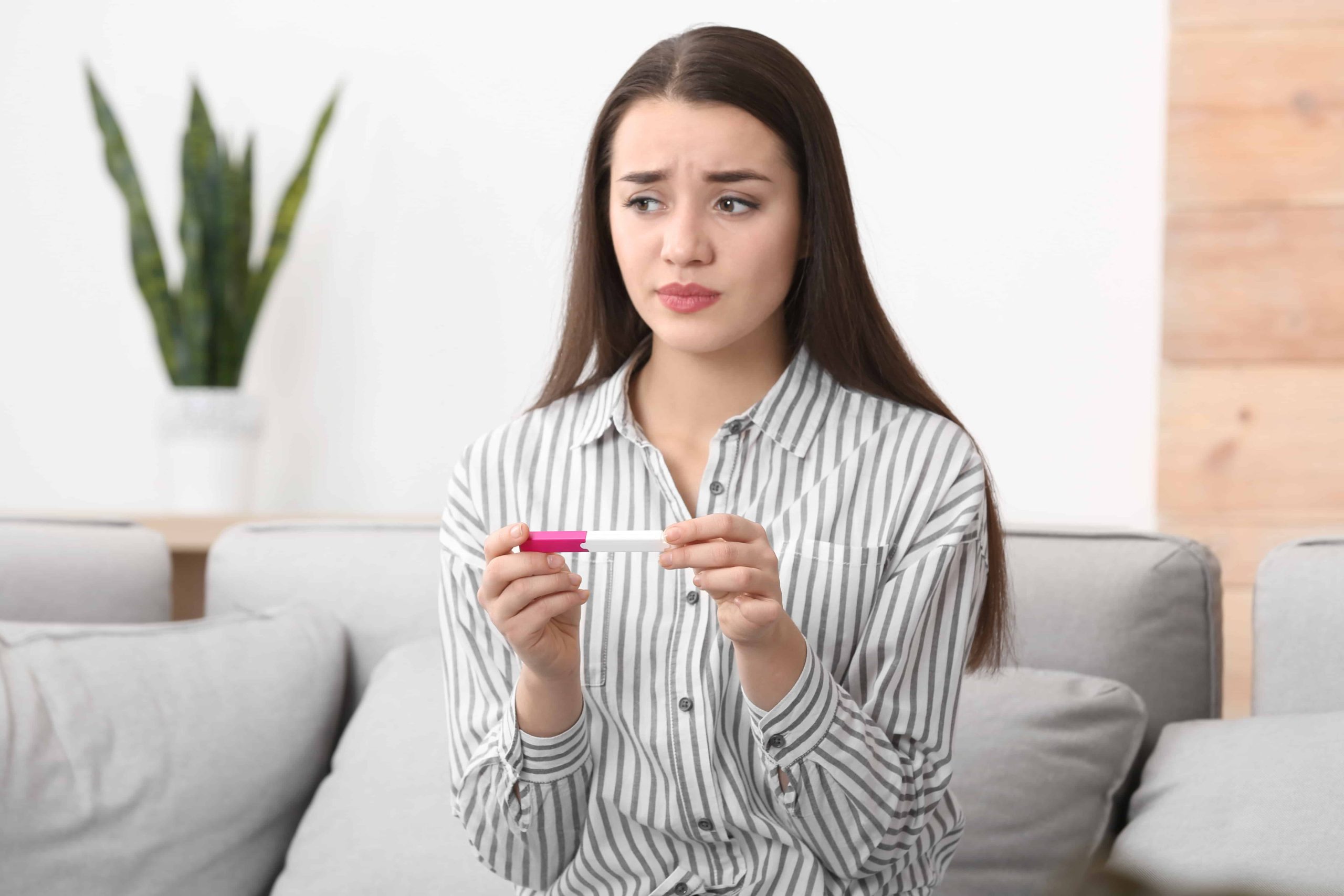
Even if you notice several early signs, the most reliable way to confirm pregnancy is through a test.
Best time to test:
- After your missed period
- Or at least 10–14 days after ovulation
Testing too early may result in a false negative because hCG levels might not be high enough to detect.
What to Do If You Suspect Pregnancy
If you think you might be pregnant:
- Take a home pregnancy test at the right time
- Schedule a visit with a healthcare provider
- Start taking prenatal vitamins (especially folic acid)
- Avoid alcohol, smoking, and harmful substances
- Maintain a healthy diet and lifestyle
Early care is essential for both your health and your baby’s development.
Final Thoughts
Recognizing early pregnancy signs before a missed period can be both exciting and confusing. While symptoms like spotting, fatigue, nausea, and breast tenderness can provide early hints, they are not definitive on their own.
Every pregnancy is unique, and the absence of symptoms does not mean you are not pregnant. The best approach is to stay aware of your body, track changes, and confirm with a reliable pregnancy test.
If you’re trying to conceive, these early signals can be encouraging. And if pregnancy is unexpected, recognizing these signs early allows you to take informed steps moving forward.