Home pregnancy tests are one of the quickest and most convenient ways to find out if you are pregnant. They are widely available in pharmacies, easy to use at home, and can give results within minutes. But many people still wonder: how do these tests actually work?
In this guide, we’ll break down the science behind home pregnancy tests, how to use them correctly, and what affects their accuracy.
What Is a Home Pregnancy Test?
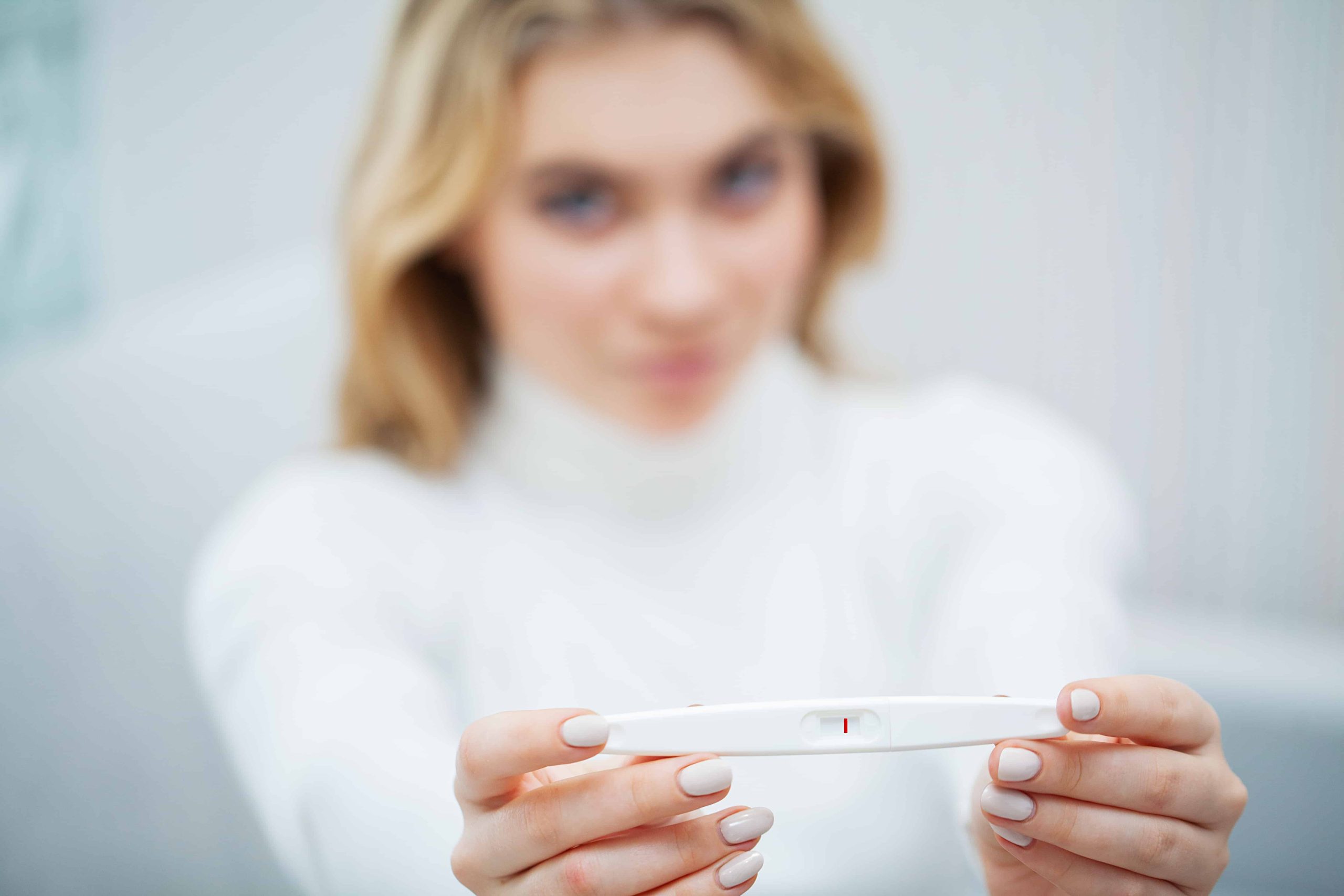
A home pregnancy test is a small diagnostic tool that detects a pregnancy hormone in your urine called hCG (human chorionic gonadotropin).
This hormone is only produced when:
- A fertilized egg implants in the uterus
- Pregnancy begins and the placenta starts forming
👉 If hCG is present in your urine, the test will show a positive result.
How Pregnancy Hormone (hCG) Works
After conception, the fertilized egg travels to the uterus and attaches to the uterine lining. This process is called implantation.
Once implantation happens:
- The body starts producing hCG
- hCG levels rise rapidly (doubling every 48–72 hours in early pregnancy)
- This hormone enters the bloodstream and urine
👉 Home pregnancy tests are designed to detect even small amounts of hCG.
How Home Pregnancy Tests Detect Pregnancy
Most home pregnancy tests use a method called immunoassay technology.
Here’s how it works:
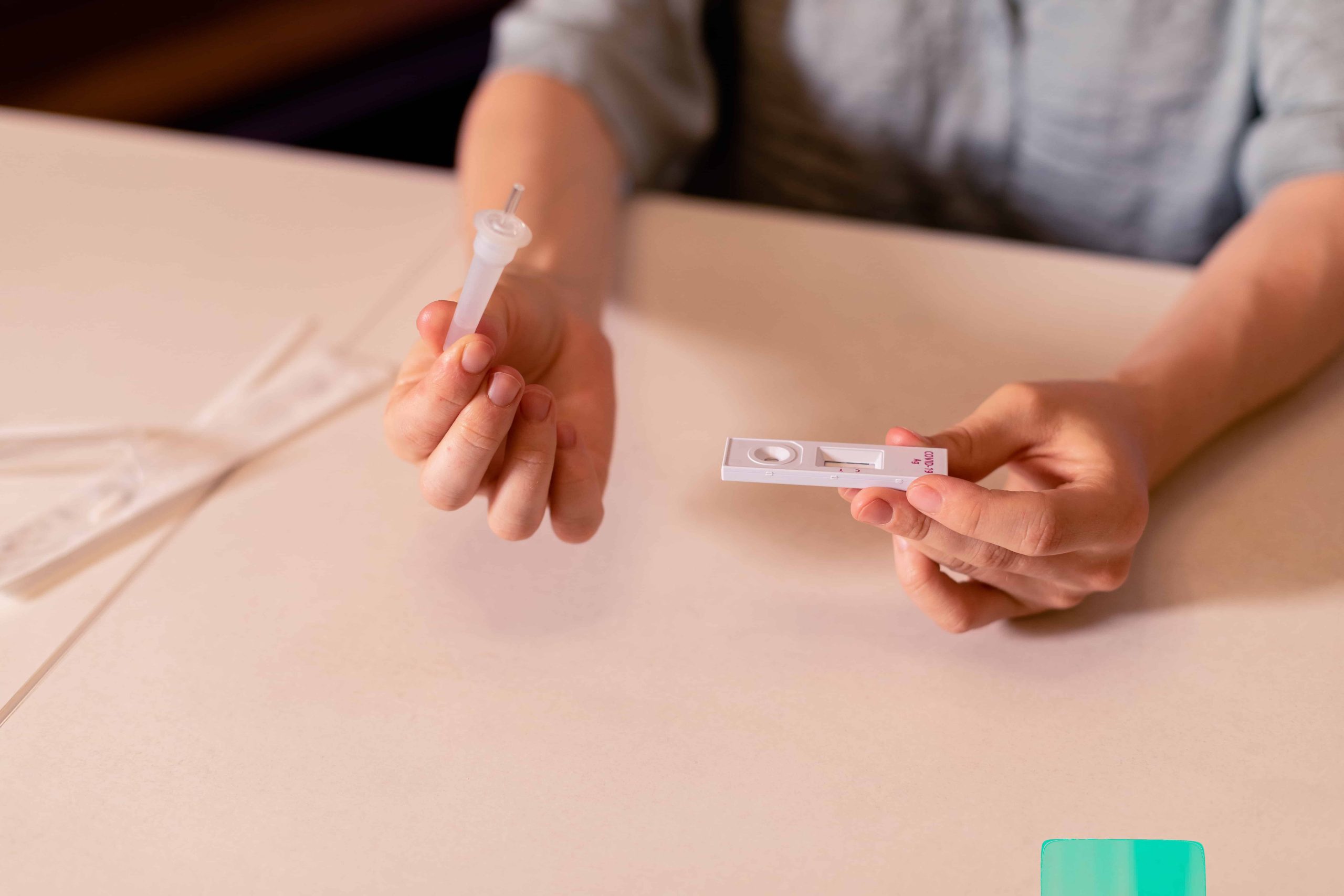
Step 1: Urine Contact
You either:
- Hold the test stick in your urine stream, OR
- Dip it into a urine sample
Step 2: hCG Reaction
Inside the test strip are special chemicals (antibodies) that:
- Bind specifically to hCG hormone
- Trigger a chemical reaction if hCG is present
Step 3: Result Display
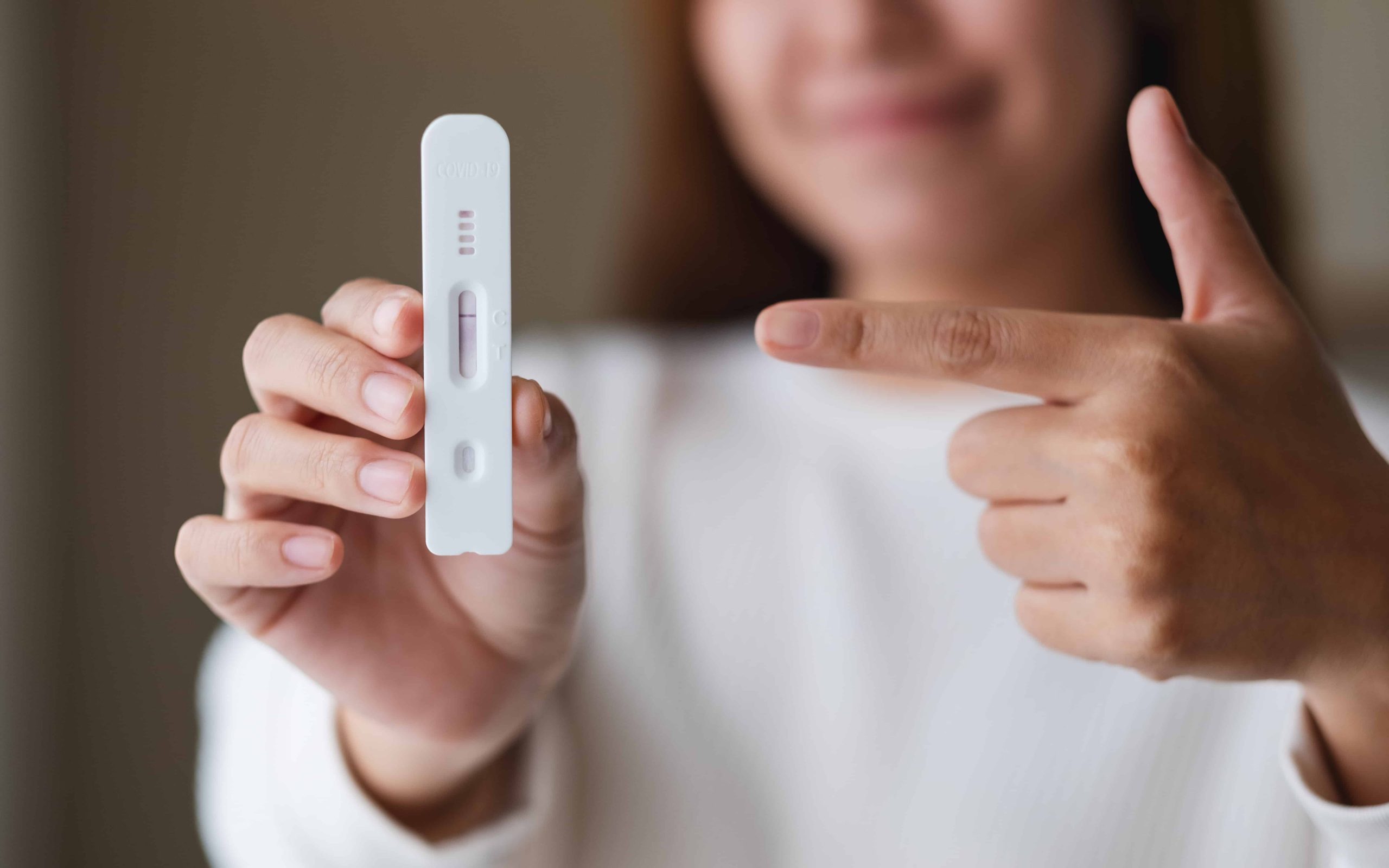
The reaction creates visible lines or symbols:
- ✔ One line = Not pregnant
- ✔ Two lines = Pregnant
- ✔ “+” or digital “Pregnant” = Positive result
Types of Home Pregnancy Tests
1. Strip Tests
- Basic test strips
- Dip into urine sample
- Most affordable option
2. Midstream Tests
- Most common type
- Placed directly in urine stream
- Easy to use and hygienic
3. Digital Tests
- Display results in words (“Pregnant” / “Not Pregnant”)
- More expensive but easier to read
When Does a Home Pregnancy Test Become Accurate?
Accuracy depends on hCG levels.
✔ Best time to test:
- After a missed period
- Or 10–14 days after ovulation
At this stage:
- hCG levels are high enough to detect
- Results are more reliable
👉 Testing too early may lead to a false negative.
How Accurate Are Home Pregnancy Tests?
When used correctly:
- ✔ Accuracy: 97%–99% after missed period
- ✔ Very reliable when instructions are followed
However, accuracy can drop if:
- Test is taken too early
- Urine is too diluted
- Instructions are not followed properly
Step-by-Step Guide to Using a Home Pregnancy Test
- Read instructions carefully
- Use first morning urine (best concentration of hCG)
- Place test in urine or dip strip (as directed)
- Wait 3–5 minutes
- Read result within the recommended time window
👉 Do not read results too late, as evaporation lines may appear.
Common Mistakes to Avoid
Many incorrect results happen due to simple mistakes:
❌ Testing too early
❌ Drinking too much water before testing
❌ Not following timing instructions
❌ Checking result after too long
False Negative vs False Positive
False Negative (Most Common)
Test says “Not pregnant” but you are pregnant.
Reasons:
- Testing too early
- Low hCG levels
- Diluted urine
False Positive (Rare)
Test says “Pregnant” but you are not.
Possible causes:
- Certain medications (fertility treatments)
- Very early miscarriage (chemical pregnancy)
- Expired test kit
What to Do After a Positive Result
If your test is positive:
✔ Confirm with a doctor
✔ Schedule a blood test or ultrasound
✔ Start prenatal care (folic acid supplements)
✔ Avoid alcohol, smoking, and unsafe medicines
What to Do After a Negative Result
If your test is negative but your period is still late:
✔ Wait 2–3 days
✔ Retest using morning urine
✔ Consult a doctor if symptoms continue
Advantages of Home Pregnancy Tests
- Fast results (within minutes)
- Private and convenient
- Easy to use at home
- Affordable
Limitations of Home Pregnancy Tests
- Not 100% accurate if used too early
- Cannot determine pregnancy health or stage
- Requires correct usage for reliable results
👉 Only a doctor can confirm pregnancy with full medical evaluation.
Final Thoughts
Home pregnancy tests work by detecting the hormone hCG in urine. They are highly reliable when used correctly and at the right time—especially after a missed period.
However, timing and proper usage are key. Testing too early or incorrectly can lead to confusion. For the most accurate confirmation, always follow up with a healthcare provider.