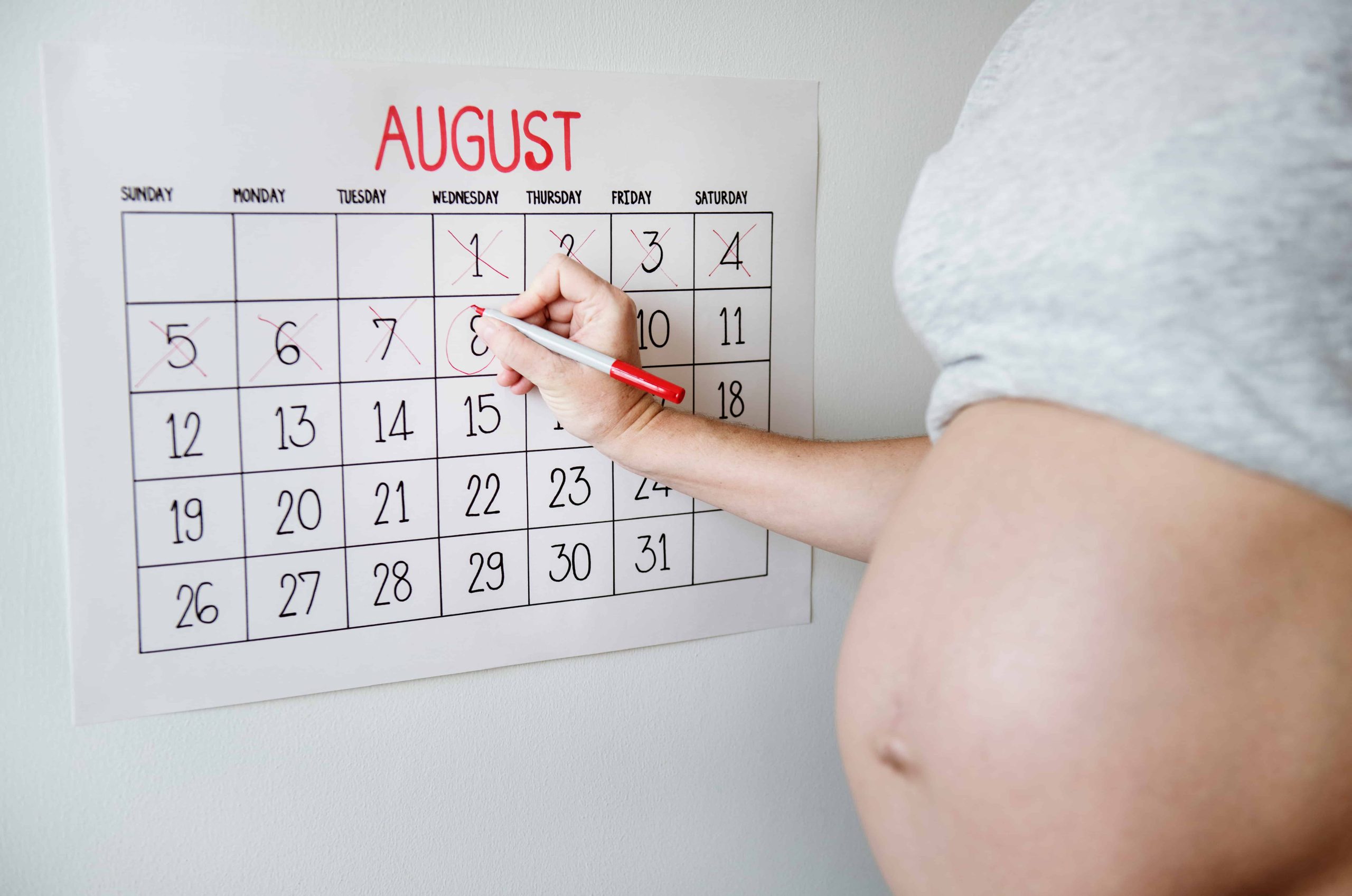
The second trimester of pregnancy (week 13 to week 27) is often called the “most comfortable phase” of pregnancy. For many women, early symptoms like nausea and extreme fatigue start to reduce, and energy levels improve. At the same time, your baby grows rapidly, and visible physical changes begin.
This guide explains second trimester changes week by week so you can understand what is happening in your body and your baby’s development.
Overview of the Second Trimester
During this stage:
- Baby’s organs continue developing and maturing
- Belly starts to grow visibly
- Baby movements gradually begin
- Hormonal changes stabilize compared to the first trimester
Week 13–14: Early Second Trimester
Baby Development:
- Baby is about the size of a lemon
- Bones begin to harden
- Facial features become more defined
Mother’s Changes:
- Morning sickness starts improving
- Energy levels may increase
- Appetite begins to return
Week 15–16: Growth Acceleration
Baby Development:
- Baby starts practicing small movements
- Hearing system begins developing
- Skin is still thin and transparent
Mother’s Changes:
- Slight weight gain becomes noticeable
- Mild abdominal stretching
- Skin changes like glow or pigmentation may appear
Week 17–18: First Movements Begin
Baby Development:
- Baby may start moving (quickening)
- Muscles strengthen
- Reflexes develop
Mother’s Changes:
- First baby movements may be felt (fluttering sensation)
- Back or leg discomfort may begin
- Increased appetite is common
Week 19–20: Halfway Milestone
Baby Development:
- Baby is about the size of a banana
- Hair and eyebrows start forming
- Gender may be visible on ultrasound
Mother’s Changes:
- Belly becomes more visible
- Pregnancy “glow” becomes noticeable
- Increased energy compared to first trimester
Week 21–22: Stronger Baby Movements
Baby Development:
- Baby develops stronger muscles
- Sleep-wake cycles begin
- Sense of touch develops
Mother’s Changes:
- Baby kicks become more noticeable
- Mild swelling in feet may start
- Occasional back pain
Week 23–24: Rapid Growth Phase
Baby Development:
- Baby gains more fat
- Lungs continue developing
- Skin becomes less transparent
Mother’s Changes:
- Belly growth is obvious
- Stretch marks may begin
- Increased hunger and thirst
Week 25–26: Sensory Development
Baby Development:
- Baby can respond to sounds
- Eyes begin to open and close
- Brain development speeds up
Mother’s Changes:
- Stronger and regular baby movements
- Difficulty finding comfortable sleeping positions
- Mild shortness of breath may occur
Week 27: End of Second Trimester
Baby Development:
- Baby is more active and responsive
- Lungs are still maturing
- Weight gain continues steadily
Mother’s Changes:
- Increased fatigue may return
- Back pain becomes more common
- Preparation for third trimester begins
Common Second Trimester Changes
Across these weeks, most women experience:
Physical Changes:
- Visible baby bump
- Weight gain
- Breast enlargement
- Skin changes (darkening or glow)
Emotional Changes:
- More stable mood compared to first trimester
- Increased excitement about baby
- Occasional anxiety about delivery
Benefits of the Second Trimester
Many women find this phase easier because:
- Nausea decreases
- Energy improves
- Appetite stabilizes
- Baby movements create emotional bonding
Healthy Habits During Second Trimester
To support healthy development:
- Eat balanced meals rich in protein and calcium
- Stay hydrated throughout the day
- Do light exercise like walking or prenatal yoga
- Get regular prenatal checkups
- Avoid heavy lifting or stress
When to Contact a Doctor
Seek medical advice if you experience:
- Severe abdominal pain
- Heavy bleeding
- Sudden swelling in hands or face
- Severe headaches or dizziness
- Reduced baby movement (later weeks)
Final Thoughts
The second trimester is a period of rapid growth and visible changes. Your baby develops quickly, and your body adapts to support that growth. Understanding week-by-week changes helps you stay informed, reduce anxiety, and enjoy your pregnancy journey more confidently.
Focus on healthy habits, regular checkups, and emotional well-being to make this phase smooth and positive.