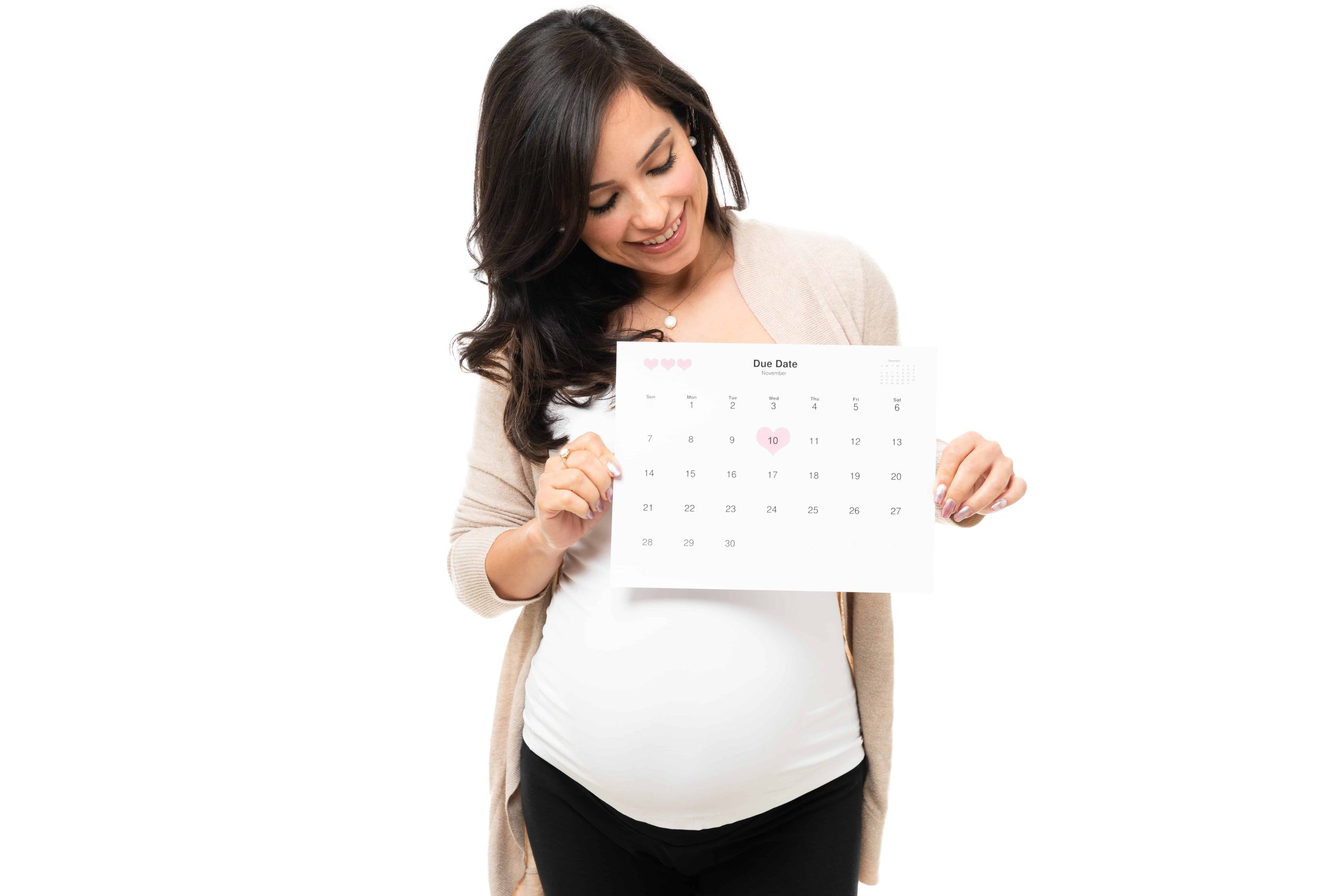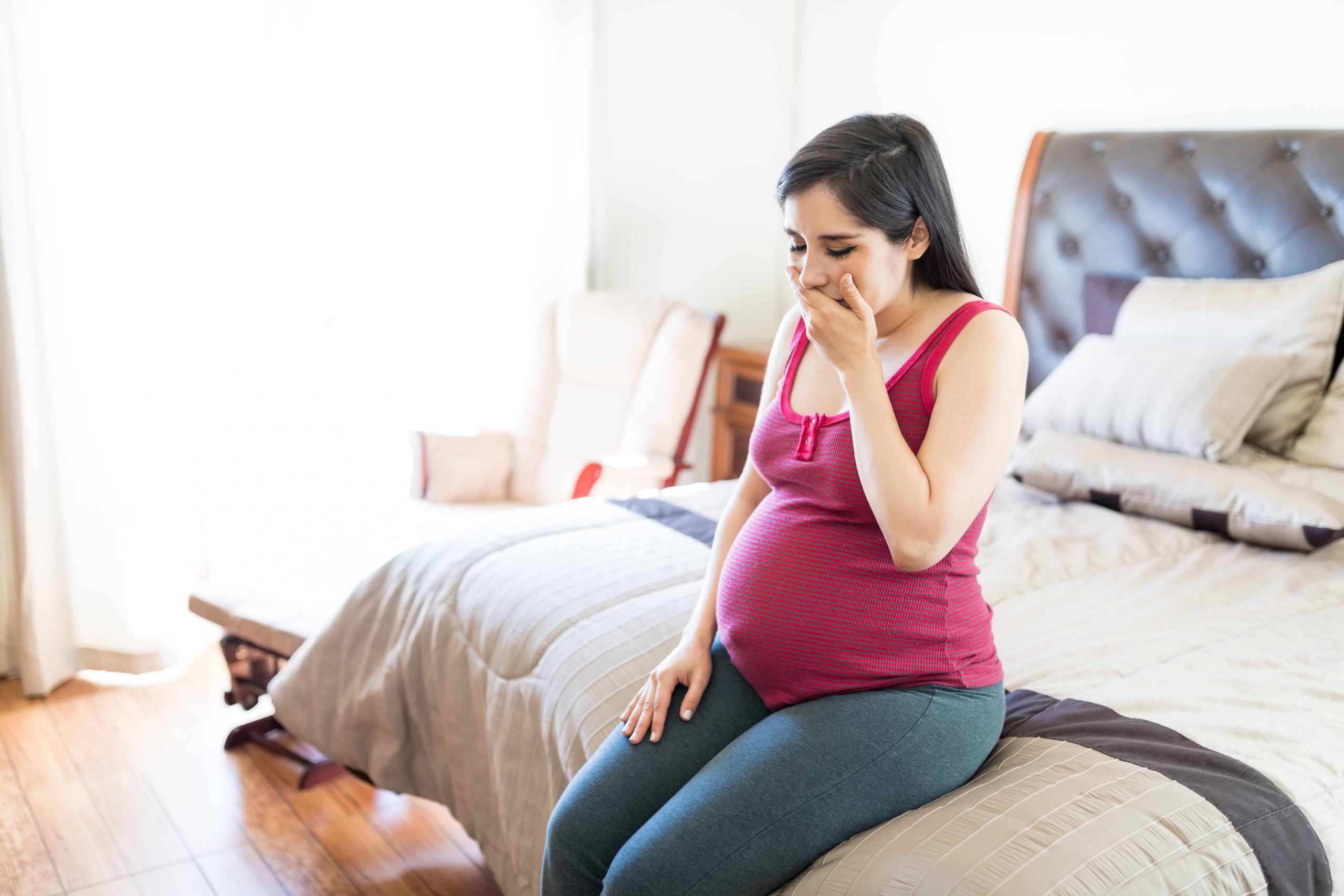

Early pregnancy (first trimester) is a crucial time because your baby’s major organs begin developing and your body adjusts to major hormonal changes. Small lifestyle choices during this stage can make a big difference in your health and your baby’s development.
This guide explains the most important do’s and don’ts in early pregnancy in a simple and practical way.
Do’s in Early Pregnancy
1. Do Start Prenatal Care Early
Once your pregnancy is confirmed, schedule your first doctor visit.
Why it matters:
- Confirms pregnancy and due date
- Helps detect any early risks
- Guides you with safe supplements and diet
2. Do Take Prenatal Vitamins
Doctors usually recommend key supplements.
Important ones include:
- Folic acid (supports brain and spinal development)
- Iron (prevents anemia)
- Calcium (supports bones and teeth)
Always take them as prescribed.
3. Do Eat a Balanced Diet
Healthy nutrition supports your baby’s growth.
Include:
- Fresh fruits and vegetables
- Whole grains
- Dairy products
- Protein sources like eggs, lentils, and chicken
4. Do Stay Hydrated
Water is essential for healthy blood flow and digestion.
Tips:
- Drink water throughout the day
- Include natural fluids like soups or fresh juices
- Avoid dehydration, especially if you have nausea
5. Do Get Enough Rest
Your body is working harder than usual.
What helps:
- Sleep 7–9 hours daily
- Take short naps if needed
- Avoid overexertion
6. Do Exercise Lightly
If your doctor allows, light activity is beneficial.
Safe options:
- Walking
- Prenatal yoga
- Gentle stretching
7. Do Manage Stress
Emotional balance is important for both mother and baby.
Helpful practices:
- Deep breathing
- Listening to calm music
- Talking to supportive people
- Resting when needed
8. Do Attend Regular Checkups
Regular visits ensure healthy progress.
Doctors monitor:
- Baby’s development
- Your blood pressure and weight
- Any early complications
Don’ts in Early Pregnancy
1. Don’t Take Medicines Without Doctor Advice
Self-medication can be dangerous.
Why to avoid:
- Some medicines may harm the baby
- Even common painkillers may not be safe
Always consult your doctor first.
2. Don’t Consume Alcohol or Smoke
These habits can seriously affect baby development.
Risks include:
- Birth defects
- Growth problems
- Pregnancy complications
3. Don’t Eat Raw or Undercooked Food
Certain foods can carry harmful bacteria.
Avoid:
- Raw eggs
- Undercooked meat
- Unpasteurized dairy products
- Raw seafood
4. Don’t Overeat or Eat Junk Food
Eating for two does not mean eating unhealthy food.
Avoid:
- Fast food
- Excess sugar
- Processed snacks
Instead, focus on balanced meals.
5. Don’t Ignore Warning Symptoms
Some symptoms need immediate attention.
Seek medical help if you notice:
- Heavy bleeding
- Severe abdominal pain
- High fever
- Continuous vomiting
- Dizziness or fainting
6. Don’t Do Heavy Exercise
Avoid activities that strain your body.
Not recommended:
- Heavy lifting
- High-intensity workouts
- Intense running or jumping
7. Don’t Stress Too Much
Excess stress can affect your health.
Avoid:
- Overthinking every symptom
- Comparing your pregnancy with others
- Unnecessary worry
8. Don’t Skip Meals
Skipping meals can worsen nausea and weakness.
Instead:
- Eat small, frequent meals
- Keep light snacks with you
- Maintain steady energy levels
Final Thoughts
Early pregnancy is a sensitive stage that requires care, awareness, and healthy habits. Following the right do’s and avoiding harmful don’ts can support a safe and smooth pregnancy journey.
Key reminders:
- Take prenatal care seriously
- Eat and rest properly
- Avoid harmful substances and self-medication
- Listen to your body and your doctor