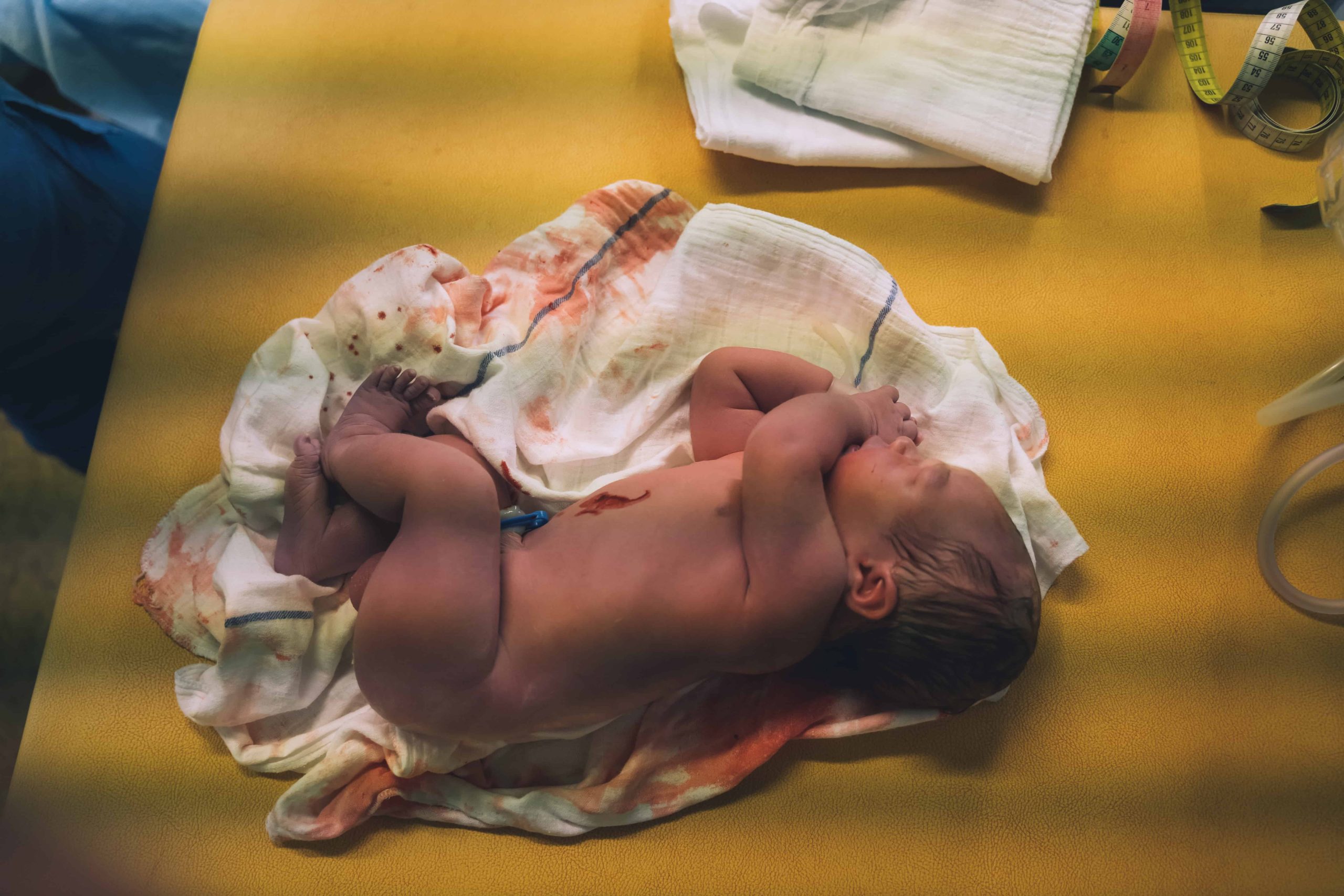

The first 30 days after your baby is born are often called the newborn phase or fourth trimester. This is a time of major adjustment for both the baby and parents. Everything is new—feeding, sleeping patterns, body changes, and emotions.
Understanding what to expect can make this period less stressful and more manageable.
What Happens in the First 30 Days?
During the first month:
- Baby adjusts to life outside the womb
- Feeding and sleeping patterns are irregular
- Parents learn newborn care step by step
- Emotional and physical recovery continues for the mother
Week 1: Adjustment Phase
Baby’s condition:
- Sleeps most of the time (16–18 hours a day)
- Feeds frequently (every 2–3 hours)
- May have irregular breathing patterns
What parents experience:
- Exhaustion from sleepless nights
- Learning feeding and diaper routines
- Emotional ups and downs
Important care:
- Skin-to-skin contact
- Frequent feeding (breast or formula)
- Keeping baby warm and safe
Week 2: Settling Routine Begins
Baby changes:
- Slight improvement in feeding pattern
- More alert moments
- Weight may begin to stabilize
Parents:
- Still very tired
- Start recognizing baby’s cues
- Learning to manage crying patterns
Care tips:
- Track feeding and diaper changes
- Continue frequent feeding
- Gentle burping after feeds
Week 3: Growing Awareness
Baby development:
- More awake periods
- Begins responding to light and sound
- Slight improvement in digestion
Parents:
- Gain more confidence
- Start understanding baby’s needs better
- Still dealing with sleep deprivation
Care focus:
- Establish calming bedtime routine
- Gentle rocking or soothing sounds
Week 4: Early Routine Formation
Baby changes:
- More predictable feeding cycles (still flexible)
- Longer sleep stretches at times
- Improved alertness
Parents:
- Start feeling more settled
- Better understanding of baby’s signals
- Emotional balance improves slightly
Care tips:
- Begin simple daily routine
- Encourage day-night difference (light vs dark)
- Continue frequent feeding as needed
Feeding in First 30 Days
Breastfeeding:
- Every 2–3 hours
- Helps build milk supply
- Important for immunity
Formula feeding:
- Slightly longer gaps between feeds
- Follow doctor’s guidance
Key point:
Newborns need frequent feeding, even at night.
Sleep Pattern of Newborn
- Sleeps 16–18 hours a day
- Short sleep cycles (2–4 hours)
- No fixed day-night schedule initially
Helpful tips:
- Keep nights calm and quiet
- Keep daytime slightly active and bright
- Avoid over-stimulation before sleep
Common Newborn Behaviors
Crying:
- Main communication tool
- Can mean hunger, discomfort, or sleepiness
Hiccups:
- Very common and normal
Sneezing:
- Helps clear nasal passages
Spitting up:
- Mild reflux is normal in many babies
Mother’s Recovery in First 30 Days
- Fatigue and sleep deprivation
- Hormonal changes (mood swings)
- Physical healing from delivery
- Breastfeeding adjustments
Rest and support are very important during this time.
Emotional Changes in First Month
Parents may feel:
- Overwhelmed
- Anxious about baby care
- Emotional sensitivity
- Deep bonding and love
All these feelings are normal.
Basic Newborn Care Tips
Hygiene:
- Regular diaper changes
- Gentle cleaning after feeds
Safety:
- Always support baby’s head
- Avoid crowded or noisy environments
Comfort:
- Proper swaddling (if recommended)
- Skin-to-skin contact
When to Contact a Doctor
Seek medical help if baby has:
- Fever
- Poor feeding
- Excessive sleepiness or irritability
- Breathing difficulty
- Poor weight gain
Final Thoughts
The first 30 days with a newborn are challenging but also very special. It is a period of learning, bonding, and gradual adjustment for both baby and parents.
Key takeaways:
- Newborns need frequent feeding and lots of sleep
- No fixed routine in early weeks is normal
- Parents also need rest and emotional support
- Gradual improvement happens week by week
With patience, care, and support, this phase becomes more manageable and deeply rewarding over time.