- May 4, 2026
- 0
After childbirth, many women experience a wide range of emotional changes. These feelings are completely normal and are mainly caused by hormonal shifts, physical recovery, sleep deprivation, and new responsibilities.
Understanding these emotional changes can help new mothers feel more prepared and less confused during the postpartum period.
Why Emotional Changes Happen After Birth
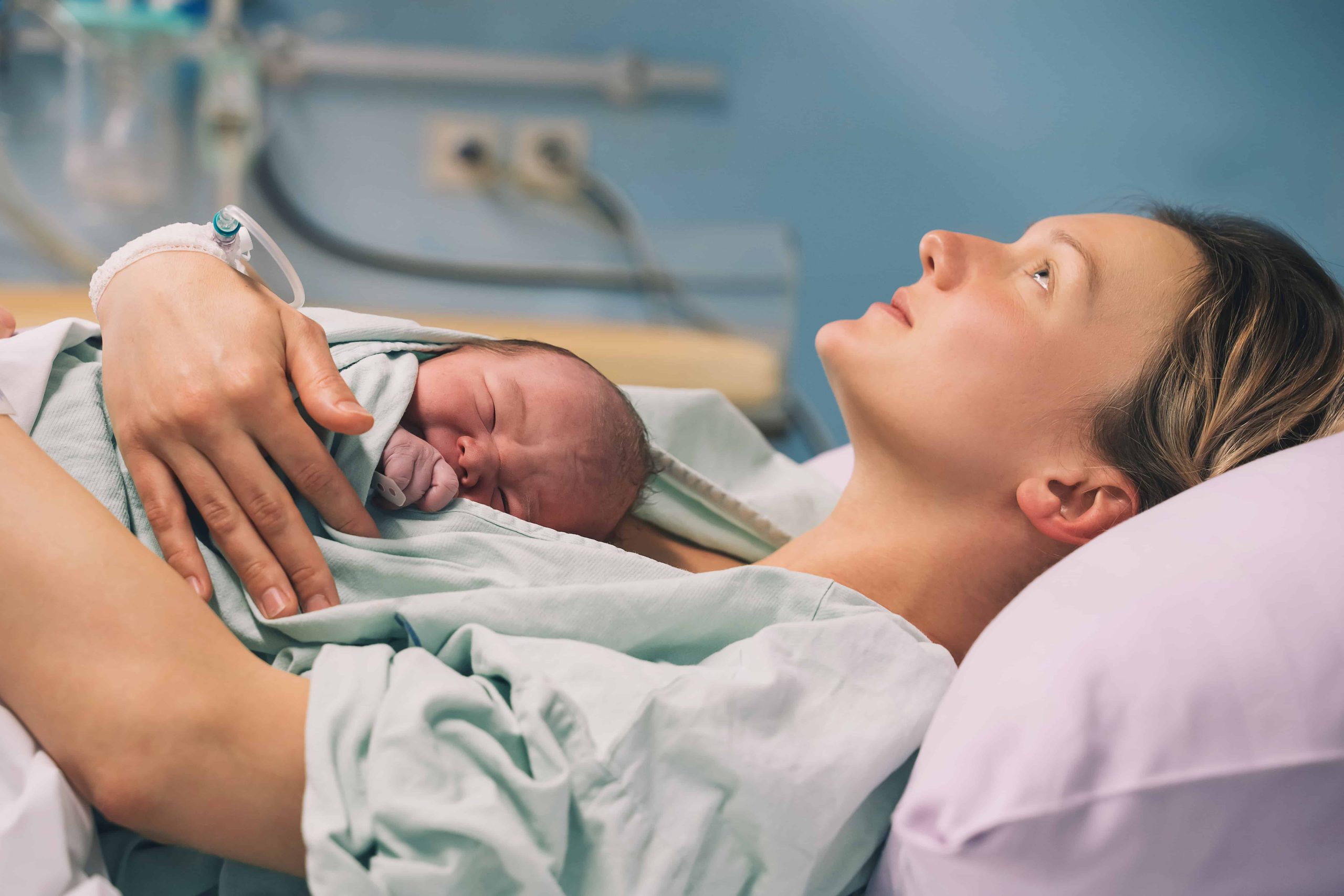
After delivery, the body goes through major changes:
- Hormone levels (estrogen and progesterone) drop quickly
- Oxytocin increases (bonding hormone)
- Physical exhaustion sets in
- Sleep becomes irregular due to newborn care
- New responsibilities can feel overwhelming
All of these factors affect mood and emotions.
Common Emotional Changes After Birth
1. Mood Swings
- Sudden changes in emotions
- Feeling happy one moment and tearful the next
- Easily triggered emotions
This is very common in the first 1–2 weeks.
2. Baby Blues
Many women experience “baby blues” shortly after delivery.
Symptoms include:
- Crying for no clear reason
- Feeling overwhelmed
- Anxiety or sadness
- Irritability
Duration:
- Usually lasts a few days to 2 weeks
3. Feeling Overwhelmed
New mothers often feel:
- Pressure of caring for a newborn
- Fear of doing things wrong
- Difficulty adjusting to new routine
This is a normal adjustment phase.
4. Anxiety and Worry
It is common to:
- Worry about baby’s health
- Be overly alert or protective
- Feel nervous about feeding or sleeping patterns
Mild anxiety is normal in early postpartum days.
5. Irritability
You may notice:
- Feeling easily frustrated
- Short temper
- Sensitivity to noise or stress
This is usually linked to lack of sleep and fatigue.
6. Emotional Sensitivity
After birth, many women:
- Cry more easily
- Feel emotionally vulnerable
- React strongly to small situations
Hormones play a major role in this.
7. Feeling Disconnected (Sometimes)
Some mothers may temporarily feel:
- Emotionally distant
- Confused about their feelings
- Difficulty bonding immediately
This does not mean anything is wrong and often improves with time.
8. Joy and Emotional Highs
Along with challenges, many women also feel:
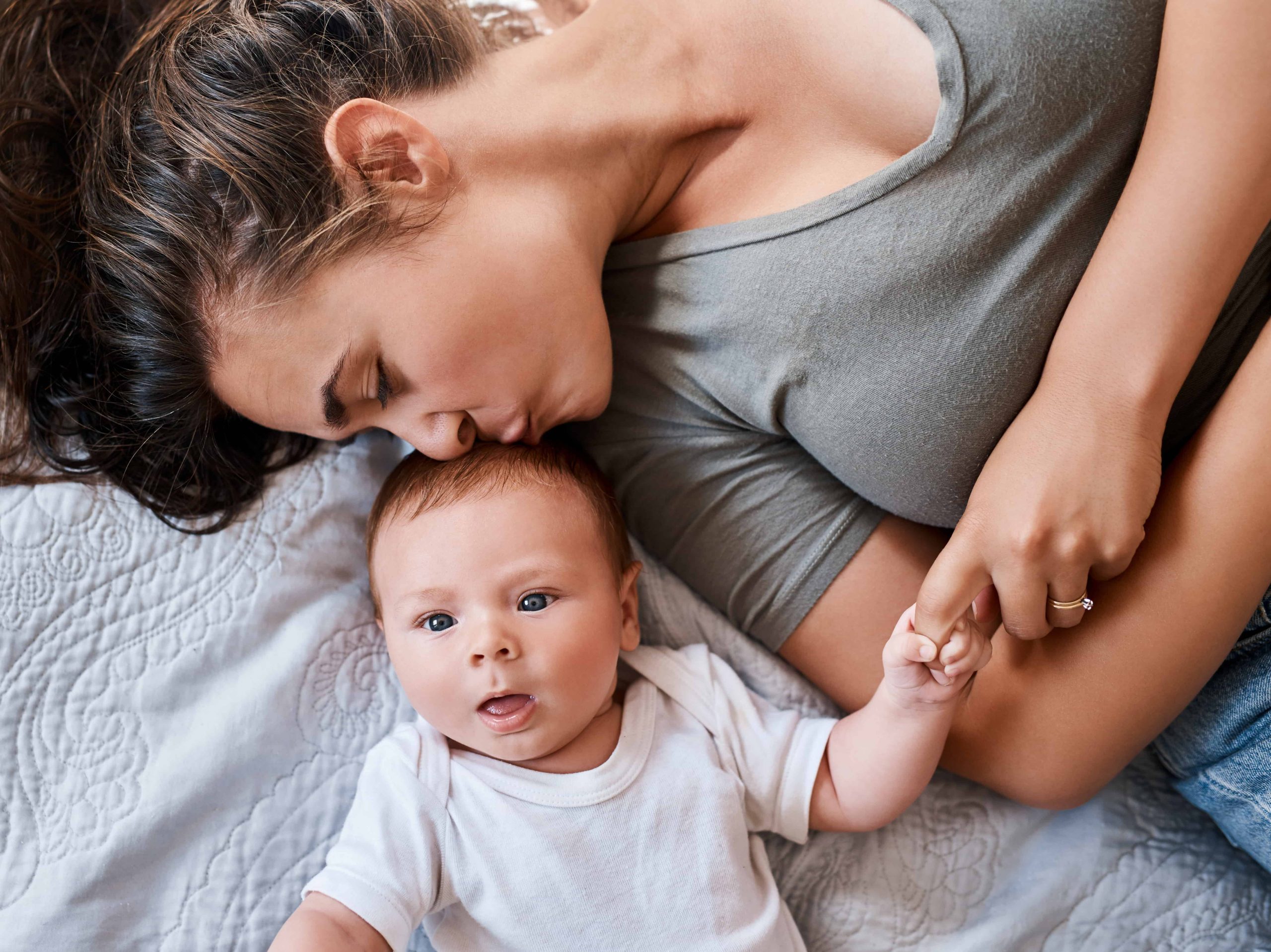
- Deep love for their baby
- Emotional bonding
- Happiness and gratitude
- Sense of purpose
These positive emotions grow over time.
When Emotional Changes Are Normal vs Concerning
Normal Emotional Changes:
- Last a few days to 2 weeks
- Do not interfere with daily functioning
- Gradually improve
When to Be Concerned:
- Symptoms last more than 2 weeks
- Severe sadness or hopelessness
- Difficulty caring for baby or self
- Loss of interest in everything
- Thoughts of self-harm
In such cases, it may be postpartum depression, and medical help is important.
How to Manage Emotional Changes
1. Get Enough Rest
- Sleep when baby sleeps
- Avoid overexertion
- Accept help from family
2. Talk About Your Feelings
- Share emotions with partner or family
- Do not keep stress inside
3. Eat Healthy Food
- Balanced diet supports mood stability
- Stay hydrated
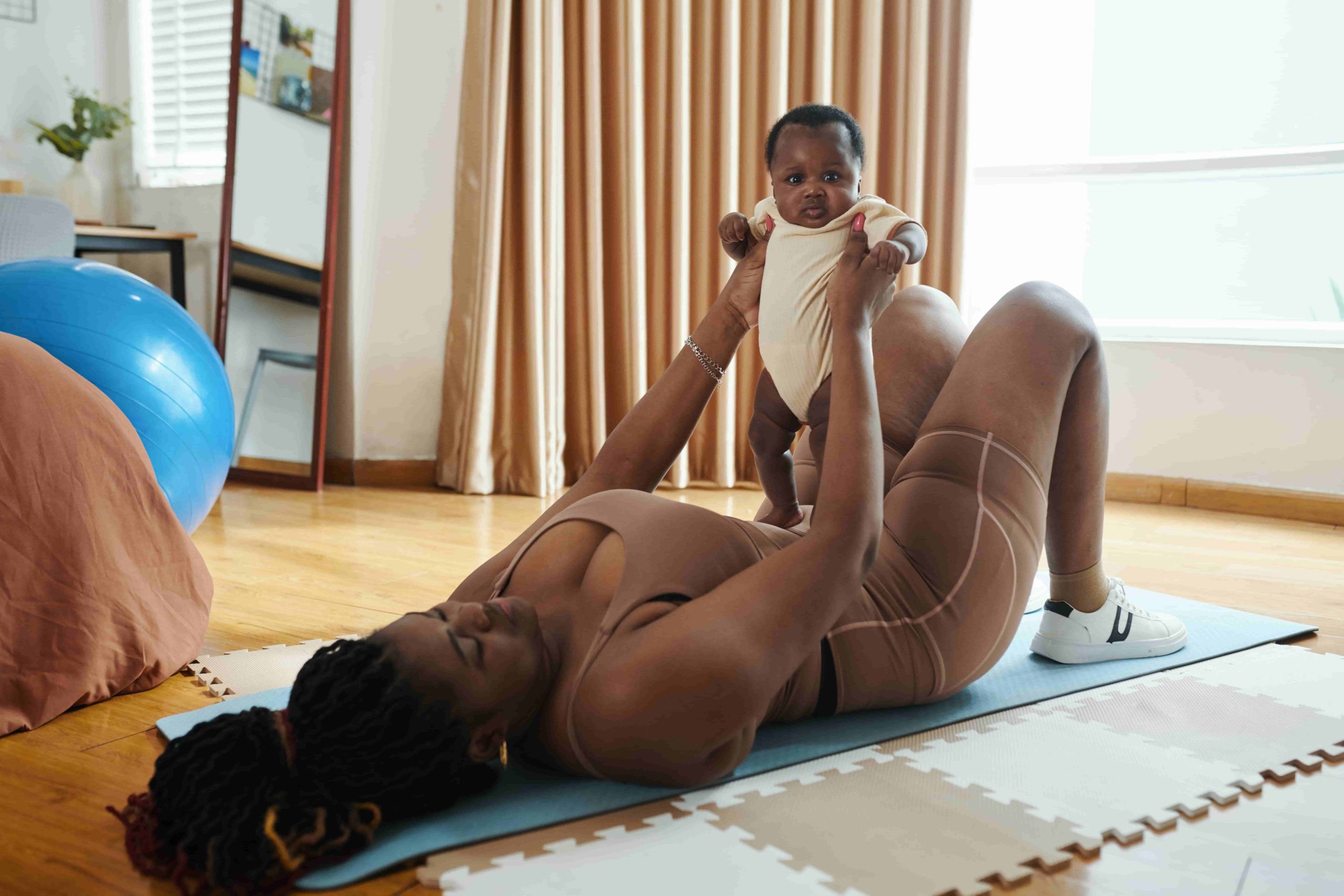
4. Light Activity
- Gentle walking can improve mood
- Fresh air helps mental well-being
5. Avoid Isolation
- Stay connected with supportive people
- Join new mother support groups if possible
6. Be Patient With Yourself
- Recovery takes time
- Emotional adjustment is a process
- There is no “perfect mother” expectation
Role of Hormones in Emotional Changes
After birth:
- Estrogen drops → mood instability
- Progesterone drops → fatigue and sadness
- Oxytocin increases → bonding and emotional sensitivity
These hormonal shifts directly affect mood and emotions.
Partner and Family Support
Support system plays a big role in emotional recovery.
They can:
- Help with baby care
- Provide emotional reassurance
- Reduce household pressure
- Encourage rest and self-care
Final Thoughts
Emotional changes after birth are a natural part of postpartum recovery. While they can feel overwhelming, they are usually temporary and improve with time, rest, and support.
Key takeaways:
- Mood swings and baby blues are normal
- Hormonal changes are the main cause
- Most symptoms improve within 2 weeks
- Strong support system helps recovery
Understanding these emotional changes helps new mothers feel more confident, supported, and less alone during the postpartum journey.