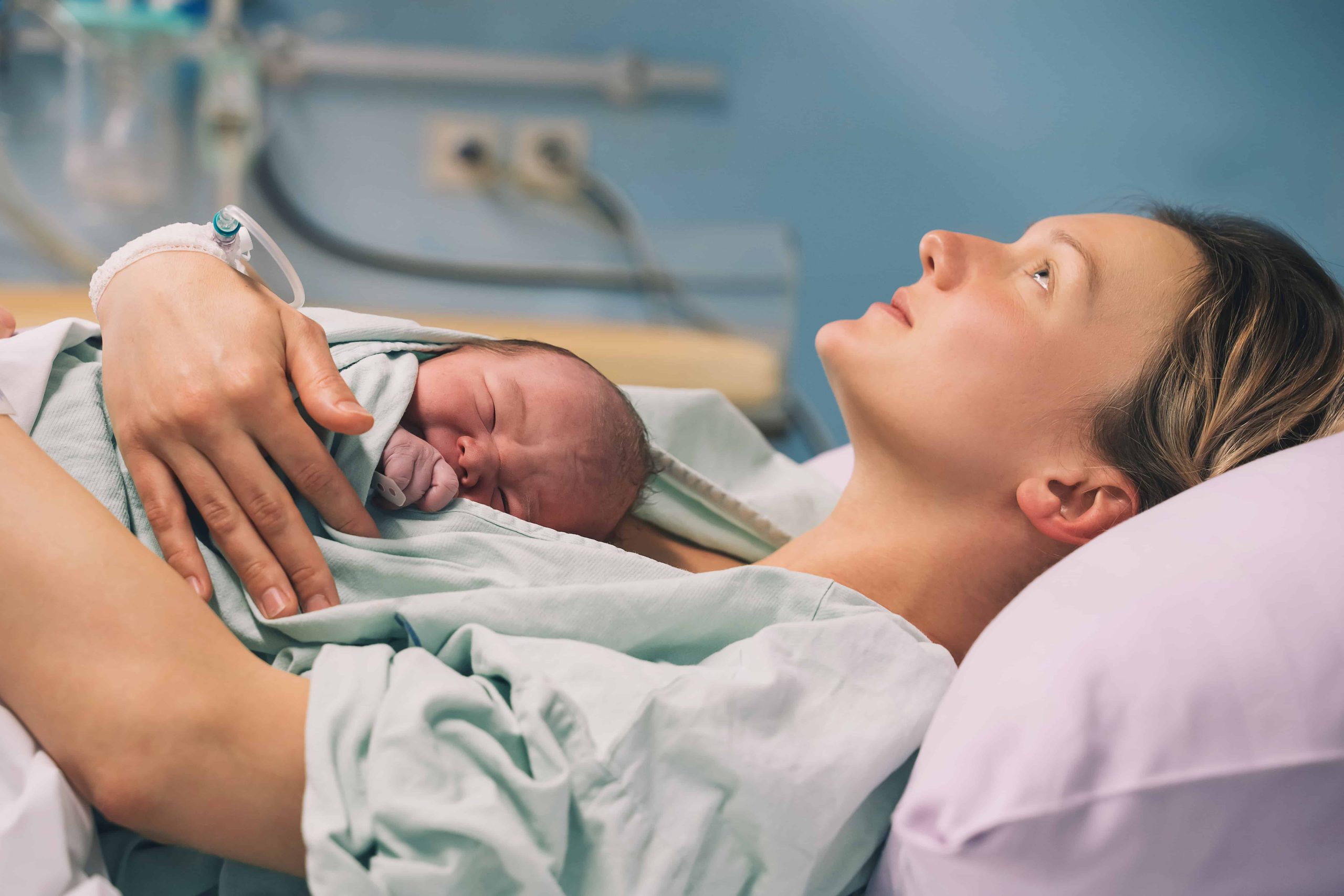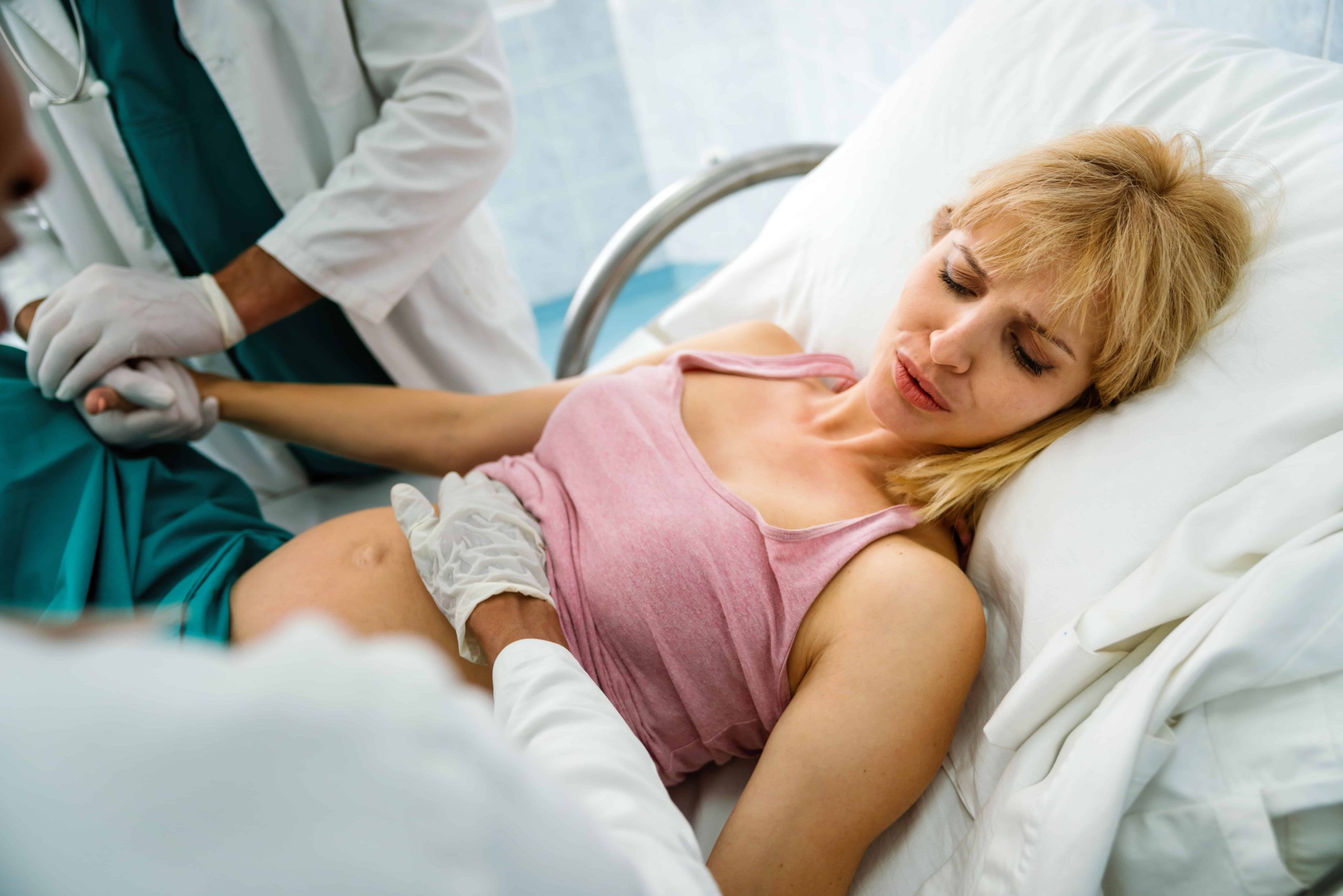
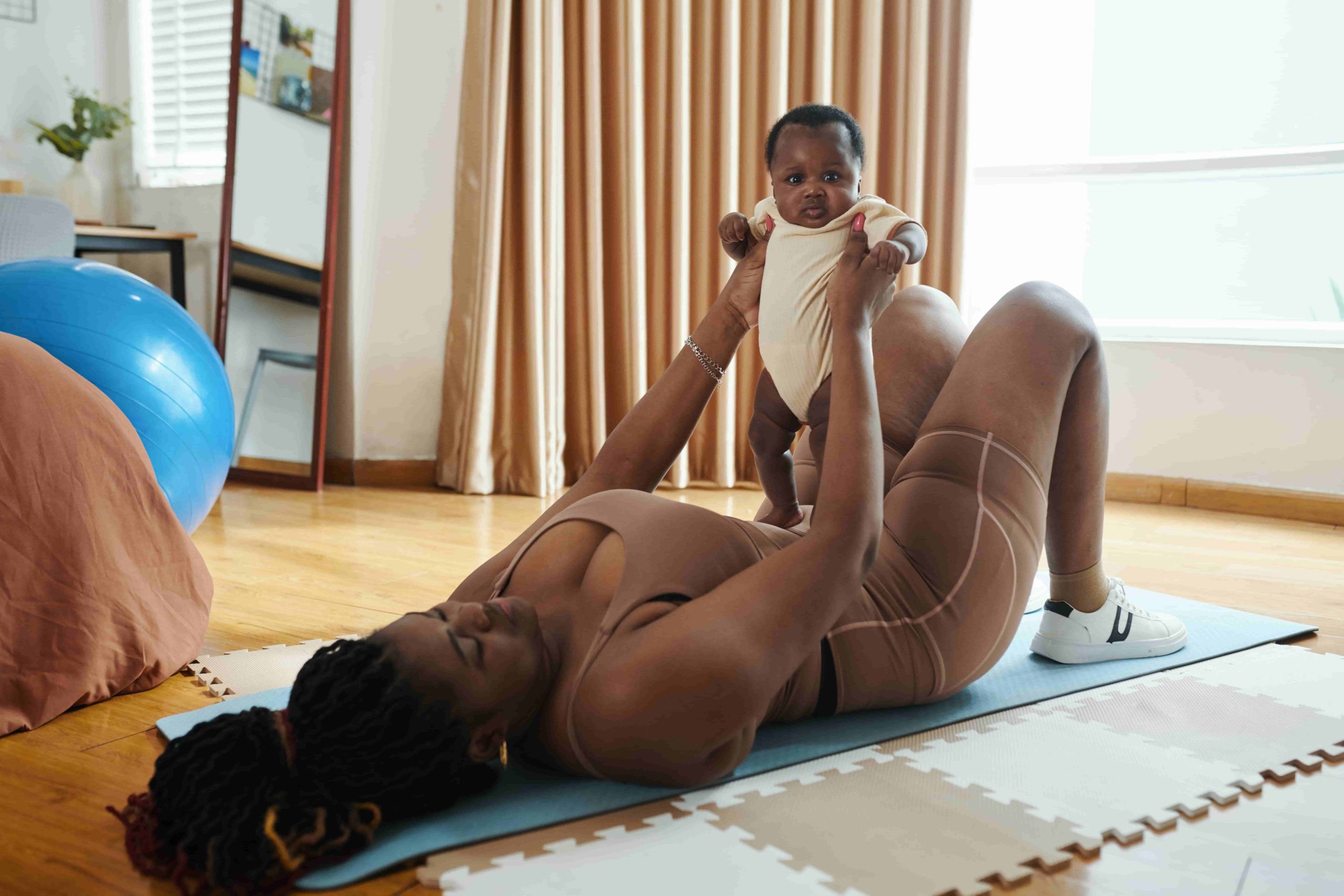
A C-section (cesarean delivery) is a major abdominal surgery, so recovery takes longer than a normal delivery. Proper care during this time is very important to avoid complications and support healing.
This guide explains practical C-section recovery tips to help you heal safely and comfortably.
What Happens After a C-Section?
After surgery, your body needs time to recover from:
- Abdominal incision
- Uterine healing
- Effects of anesthesia
- Blood loss and hormonal changes
Most women need 6 to 8 weeks for basic recovery, though full healing can take longer.
1. Take Proper Rest
Rest is the most important part of recovery.
Why it matters:
- Helps wound healing
- Reduces pain and swelling
- Supports overall recovery
Tips:
- Sleep when the baby sleeps
- Avoid unnecessary movement
- Ask for help with household tasks
2. Manage Pain Safely
Pain after C-section is normal.
What helps:
- Prescribed pain medications
- Gentle movement (as advised)
- Supporting abdomen when coughing or moving
Never skip medications without doctor advice.
3. Keep the Incision Clean and Dry
Proper wound care prevents infection.
Care tips:
- Clean gently with doctor-approved method
- Keep area dry
- Wear loose clothing
- Avoid rubbing or pressure
Watch for infection signs:
- Redness
- Swelling
- Pus or discharge
- Increased pain
4. Start Gentle Movement Early
Light movement helps recovery.
Benefits:
- Improves blood circulation
- Reduces risk of blood clots
- Helps digestion
What to do:
- Short walks in room
- Gradually increase activity
- Avoid sudden movements
5. Avoid Heavy Lifting
For at least 6 weeks:
- Do not lift heavy objects
- Avoid carrying anything heavier than your baby
- Do not strain abdominal muscles
6. Support Your Abdomen
How it helps:
- Reduces pain when moving or coughing
- Supports healing incision
Methods:
- Hold a pillow against abdomen
- Use gentle support while standing
7. Eat Nutritious Foods
Good nutrition speeds up healing.
Include:
- Protein-rich foods (eggs, chicken, lentils)
- Fruits and vegetables
- Whole grains
- Plenty of fluids
Avoid:
- Junk food
- Excess sugar
- Processed foods
8. Stay Hydrated
Water helps:
- Healing process
- Breast milk production
- Digestion and constipation prevention
Aim for regular fluid intake throughout the day.
9. Prevent Constipation
Constipation can increase pain after surgery.
Tips:
- Eat fiber-rich foods
- Drink plenty of water
- Walk gently
- Take doctor-recommended stool softeners if needed
10. Take Care of Emotional Health
Postpartum emotions are common after C-section.
You may feel:
- Mood swings
- Anxiety
- Fatigue
What helps:
- Talk to family or friends
- Rest when possible
- Ask for support when needed
11. Breastfeeding After C-Section
Breastfeeding is completely possible after surgery.
Tips:
- Use comfortable positions (side-lying or football hold)
- Support incision area with pillow
- Feed frequently to establish milk supply
12. Avoid Driving and Strenuous Activity
For at least a few weeks:
- Avoid driving until comfortable
- No exercise or abdominal workouts
- Avoid climbing stairs excessively
Always follow your doctor’s advice.
When to Contact a Doctor
Seek medical help if you notice:
- Severe or increasing pain
- Fever
- Red, swollen, or leaking incision
- Heavy vaginal bleeding
- Difficulty breathing
- Leg swelling or pain
Recovery Timeline Overview
First Week:
- Pain and fatigue are highest
- Limited movement
Weeks 2–4:
- Gradual improvement
- Increased mobility
Weeks 5–6:
- Major healing stage
- Return to light routine
6–8 Weeks:
- Most recovery completed
- Follow-up checkup usually done
Final Thoughts
C-section recovery takes time, patience, and proper care. With rest, good nutrition, and safe movement, your body can heal steadily and regain strength.
Key takeaways:
- Rest and wound care are most important
- Gentle movement helps prevent complications
- Nutrition and hydration speed up healing
- Emotional support is essential
Following these recovery tips helps ensure a smoother, safer healing journey after a C-section.