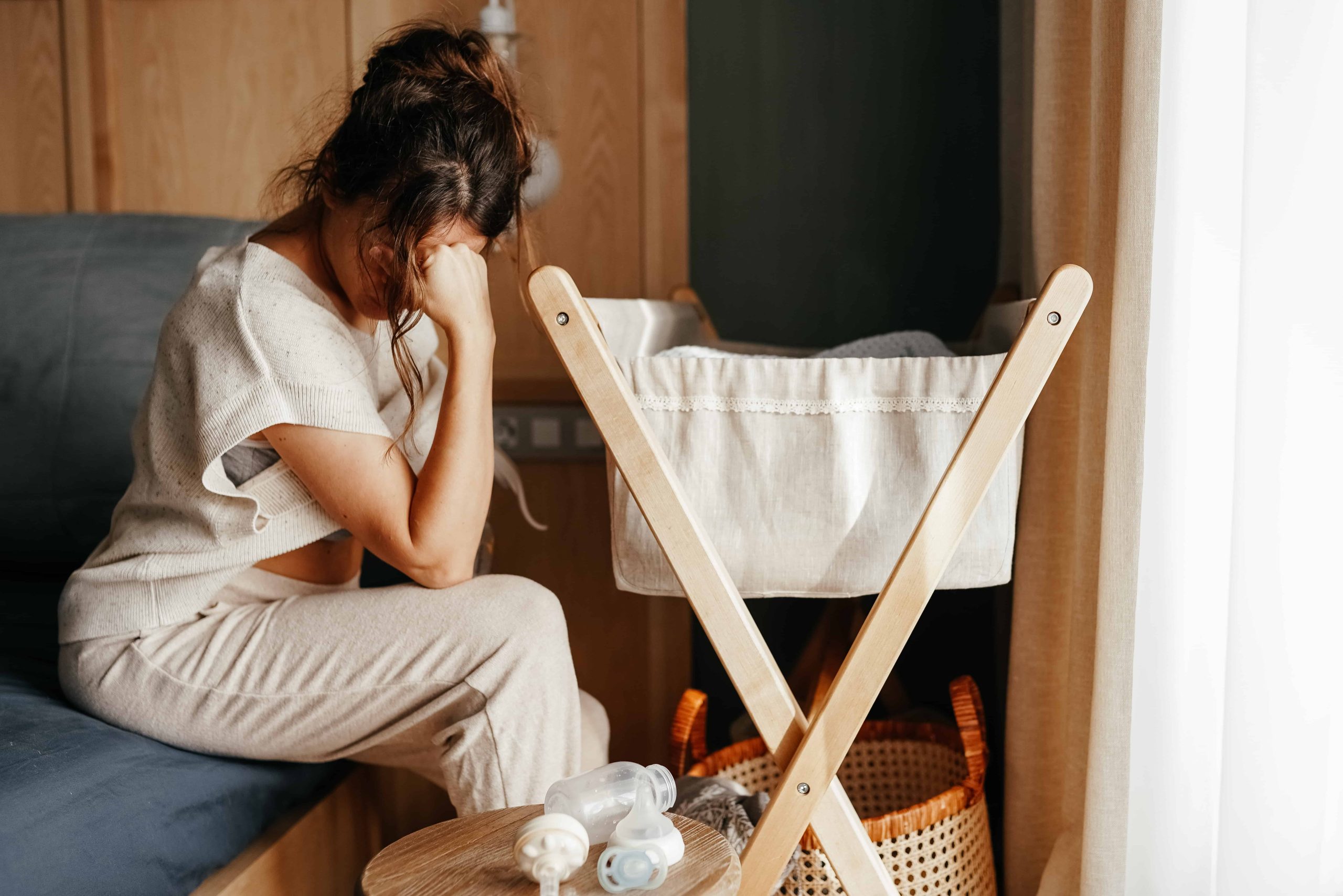
Postpartum depression (PPD) is a serious mood condition that can happen after childbirth. It is more intense and longer-lasting than the “baby blues,” and it can affect how a mother feels, thinks, and functions in daily life.
It is important to recognize the signs early and know that help is available and effective.
What Is Postpartum Depression?
Postpartum depression is a mental health condition that may develop:
- Within a few weeks after delivery
- Or sometimes up to a year after childbirth
It is caused by a combination of:
- Hormonal changes
- Physical exhaustion
- Emotional stress
- Lack of sleep
- Life adjustments after having a baby
Postpartum Depression vs Baby Blues
Baby Blues:
- Mild mood swings
- Crying spells
- Anxiety
- Usually lasts 1–2 weeks
Postpartum Depression:
- More intense symptoms
- Lasts longer than 2 weeks
- Affects daily life and bonding with baby
Signs of Postpartum Depression
1. Persistent Sadness
- Feeling low most of the day
- Crying without clear reason
- Emotional emptiness
2. Loss of Interest
- No interest in activities once enjoyed
- Feeling disconnected from baby or surroundings
3. Extreme Fatigue
- Constant tiredness even after rest
- Feeling physically and emotionally drained
4. Sleep Problems
- Trouble sleeping even when baby sleeps
- Or sleeping too much
5. Changes in Appetite
- Eating too little or too much
- Sudden weight changes
6. Irritability and Anger
- Feeling easily frustrated
- Anger over small things
- Emotional outbursts
7. Difficulty Bonding with Baby
- Feeling detached from newborn
- Lack of emotional connection
8. Feelings of Guilt or Worthlessness
- Feeling like a “bad mother”
- Excessive self-blame
- Low self-esteem
9. Anxiety and Panic
- Constant worry about baby’s health
- Panic attacks
- Fear of being alone with baby
10. Thoughts of Self-Harm (Severe Cases)
- Feeling hopeless
- Thoughts of harming self or baby
This is a medical emergency and needs immediate help.
When to Seek Help
You should seek professional help if:
- Symptoms last more than 2 weeks
- You struggle to care for yourself or baby
- Feelings are getting worse instead of better
- You have thoughts of self-harm
Causes of Postpartum Depression
There is no single cause, but common factors include:
- Hormonal changes after birth
- Sleep deprivation
- Stress of newborn care
- Lack of support
- Previous history of depression or anxiety
- Complicated delivery or health issues
How Postpartum Depression Is Treated
1. Therapy (Counseling)
- Talking to a psychologist or counselor
- Helps manage emotions and thoughts
- Very effective for mild to moderate cases
2. Medication
- Antidepressants may be prescribed
- Safe options are available for breastfeeding mothers
- Always prescribed by a doctor
3. Support Systems
- Family help with baby care
- Emotional support from partner
- Support groups for new mothers
4. Lifestyle Support
- Rest whenever possible
- Healthy diet
- Light physical activity
- Asking for help without guilt
How Family Can Help
Support from family is very important.
They can:
- Help with baby care
- Provide emotional support
- Reduce household workload
- Encourage rest and recovery
Can Postpartum Depression Be Cured?
Yes. With proper support and treatment:
- Most women recover fully
- Symptoms improve significantly over time
- Early help leads to faster recovery
Final Thoughts
Postpartum depression is a medical condition, not a personal weakness. It is common, treatable, and temporary with the right care and support.
Key takeaways:
- PPD is more severe than baby blues
- Symptoms include sadness, fatigue, anxiety, and withdrawal
- Early diagnosis and treatment are very important
- Help is available through therapy, medication, and support
If you or someone you know is experiencing these symptoms, reaching out for help is the first and most important step toward recovery.