- May 4, 2026
- 0
During pregnancy, your body needs extra nutrients to support your baby’s growth and maintain your own health. Two of the most important minerals during this time are iron and calcium. Both play a major role in preventing complications and ensuring healthy development.
This guide explains the importance of iron and calcium in pregnancy, daily needs, food sources, and deficiency risks.
Iron Needs in Pregnancy
Why Iron Is Important
Iron helps your body produce hemoglobin, which carries oxygen in the blood. During pregnancy, your blood volume increases, so your iron needs also increase.
Iron is important because it:
- Prevents anemia
- Improves oxygen supply to the baby
- Reduces fatigue and weakness
- Supports healthy fetal growth
How Much Iron Do You Need?
During pregnancy, iron requirements usually increase to support extra blood production. Your doctor may recommend supplements depending on your hemoglobin levels.
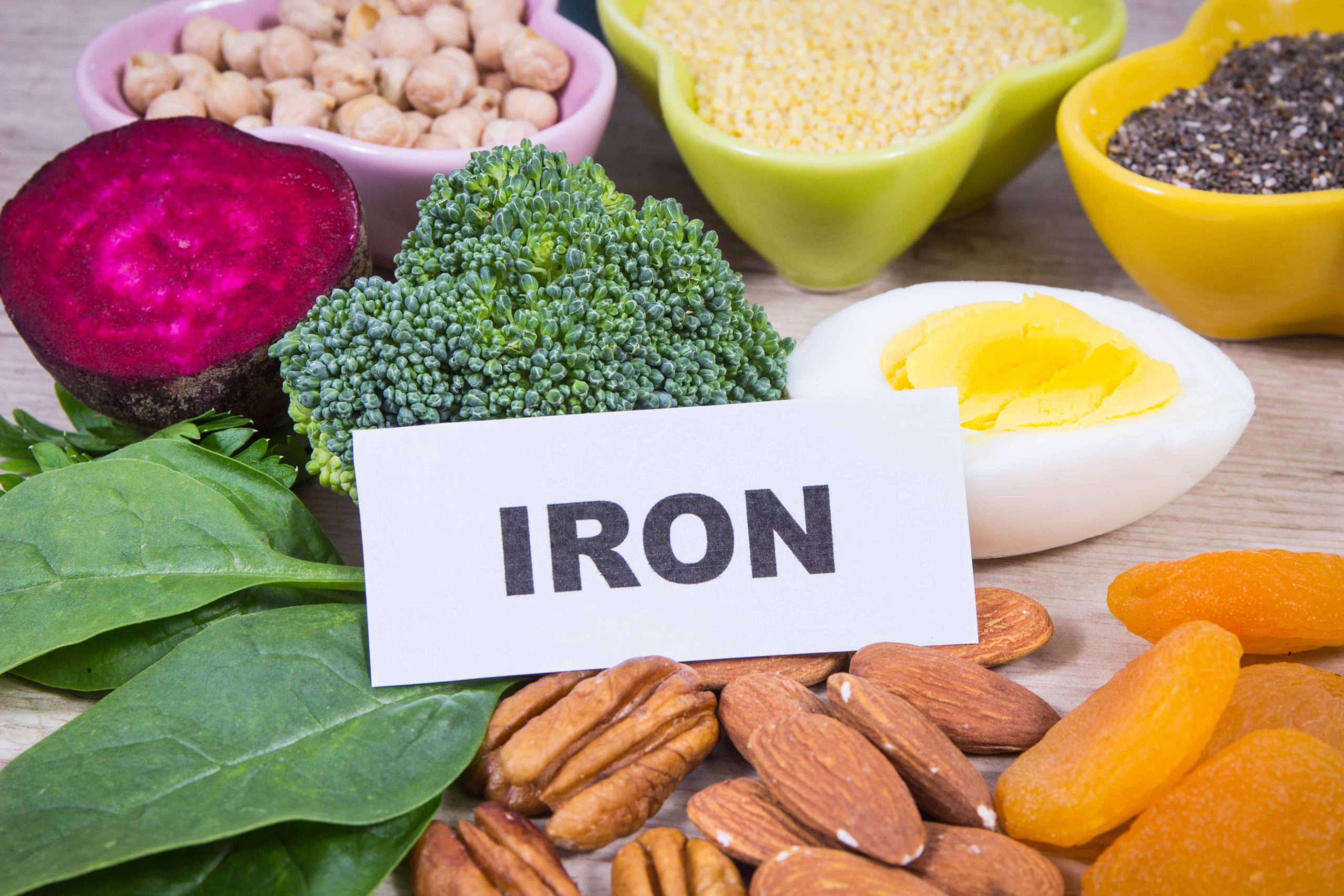
Iron-Rich Foods
Include these foods in your daily diet:
- Spinach and leafy greens
- Red meat (well cooked)
- Lentils and beans
- Dates and raisins
- Fortified cereals
- Eggs
Tips to Improve Iron Absorption
- Eat vitamin C-rich foods (like oranges or lemons) with iron-rich meals
- Avoid tea or coffee right after meals
- Cook in iron utensils if possible
Iron Deficiency Risks
Low iron levels can lead to:
- Fatigue and dizziness
- Pale skin
- Shortness of breath
- Low birth weight baby
- Increased risk during delivery
Calcium Needs in Pregnancy
Why Calcium Is Important
Calcium is essential for building your baby’s bones, teeth, heart, and muscles.
It helps:
- Develop strong bones and teeth in the baby
- Maintain mother’s bone strength
- Support muscle and nerve function
- Prevent bone loss in mother
How Much Calcium Do You Need?
Calcium requirements increase significantly during pregnancy, especially in the second and third trimesters.
Your doctor may adjust dosage based on diet and health condition.
Calcium-Rich Foods
Include these daily:
- Milk
- Yogurt
- Cheese
- Almonds
- Sesame seeds
- Leafy green vegetables
Vitamin D Connection
Calcium works best with Vitamin D.
Vitamin D helps:
- Absorb calcium properly
- Strengthen bones
- Support immune health
Sources include sunlight and fortified foods.
Calcium Deficiency Risks
Low calcium levels may cause:
- Muscle cramps
- Weak bones
- Tooth problems
- High blood pressure risk in pregnancy
- Poor bone development in baby
Iron vs Calcium Timing
Iron and calcium should not be taken together in large amounts because:
- Calcium can reduce iron absorption
Best Practice:
- Take iron supplements at one time of day
- Take calcium supplements at a different time
Always follow your doctor’s instructions.
Balanced Diet for Both Nutrients
A healthy pregnancy diet should include both iron and calcium sources daily.
Example:
- Breakfast: Milk + oats + fruit
- Lunch: Lentils + vegetables + roti
- Snack: Nuts or yogurt
- Dinner: Chicken or beans + salad
Signs You May Be Lacking Iron or Calcium
Iron Deficiency Signs:
- Constant tiredness
- Dizziness
- Pale skin
Calcium Deficiency Signs:
- Leg cramps
- Weak nails or teeth
- Muscle pain
If you notice these symptoms, consult your doctor.
Supplements During Pregnancy
Doctors often prescribe:
- Iron tablets
- Calcium supplements
- Prenatal vitamins
Important:
- Take only as prescribed
- Do not self-medicate
- Follow timing instructions carefully
Final Thoughts
Iron and calcium are two essential nutrients for a healthy pregnancy. Iron supports blood and oxygen supply, while calcium builds strong bones for both mother and baby.
Key takeaways:
- Iron prevents anemia and supports oxygen flow
- Calcium strengthens bones and muscles
- Both nutrients are essential in second and third trimesters
- Timing and balance are important for absorption
With a proper diet and doctor-guided supplements, you can ensure a healthier pregnancy and strong baby development.