
Caffeine is a common part of daily life for many people, found in coffee, tea, soft drinks, and chocolate. During pregnancy, however, its safety becomes an important concern because caffeine can pass through the placenta and reach the baby.
This guide explains whether caffeine is safe in pregnancy, how much is allowed, and what precautions to take.
What Happens When You Consume Caffeine?
When you drink or eat caffeine:
- It enters your bloodstream quickly
- Crosses the placenta
- Reaches the baby, who cannot fully break it down
Because a baby’s metabolism is still developing, caffeine stays in their system much longer than in adults.
Is Caffeine Safe During Pregnancy?
Yes, caffeine is considered safe in limited amounts, but excessive intake should be avoided.
Most health guidelines suggest:
- Up to 200 mg of caffeine per day is generally considered safe during pregnancy
However, individual tolerance may vary, and your doctor may advise a lower limit based on your condition.
Sources of Caffeine
Caffeine is found in many common items:
- Coffee
- Tea (black and green tea)
- Soft drinks (cola)
- Energy drinks
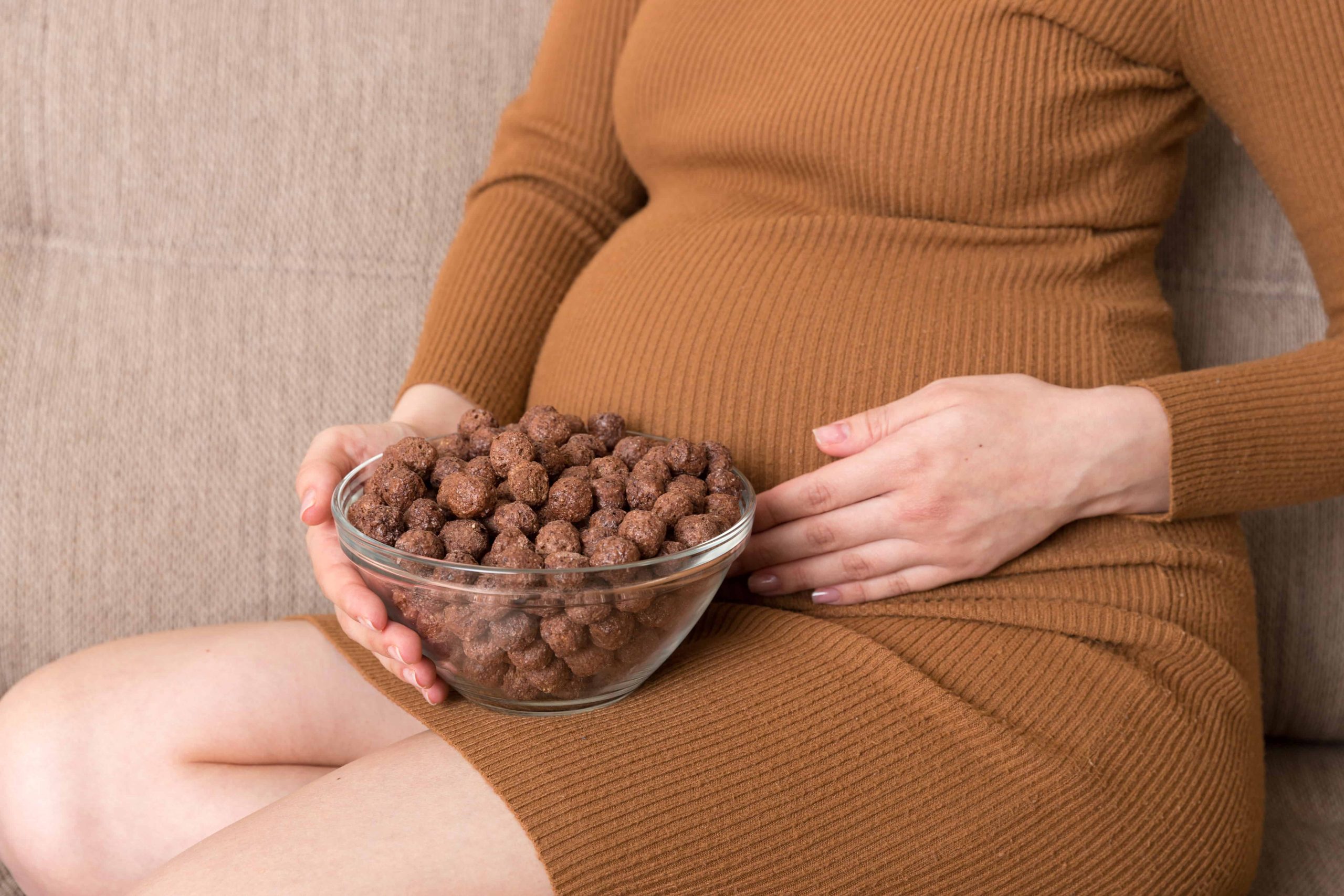
- Chocolate
- Some medications
How Much Caffeine Is in Common Drinks?
Approximate values:
- 1 cup coffee: 80–120 mg
- 1 cup black tea: 30–60 mg
- 1 cola drink: 30–50 mg
- Chocolate (small bar): 10–30 mg
Even small amounts can add up throughout the day.
Risks of High Caffeine Intake
Consuming too much caffeine during pregnancy may:
- Increase risk of miscarriage (in high amounts)
- Affect baby’s growth
- Lead to low birth weight
- Cause sleep disturbances
- Increase heart rate and anxiety in mother
Safe Caffeine Limit in Pregnancy
General recommendation:
- Keep total intake below 200 mg per day
Important tips:
- Count all sources (coffee, tea, chocolate, soft drinks)
- Reduce intake gradually if you are a heavy coffee drinker
Better Alternatives to Caffeine
If you want to reduce caffeine, try:
- Decaffeinated coffee
- Herbal teas (doctor-approved)
- Fresh fruit juices
- Coconut water
- Warm milk
These help maintain hydration and energy naturally.
Tips to Reduce Caffeine Safely
- Switch to half-caffeinated drinks
- Limit coffee to 1 small cup per day
- Avoid energy drinks completely
- Replace evening tea/coffee with herbal drinks
- Drink more water throughout the day
When You Should Be Extra Careful
You may need stricter limits if you have:
- High blood pressure
- Risk of miscarriage
- Sleep problems
- Anxiety or heart conditions
Always follow your doctor’s advice in such cases.
Final Thoughts
Caffeine is not completely forbidden during pregnancy, but moderation is very important. Small amounts are generally safe, but excessive intake can affect both mother and baby.
Key takeaways:
- Limit caffeine to about 200 mg per day
- Be aware of all sources of caffeine
- Avoid energy drinks and high intake coffee
- Consider healthier alternatives when possible