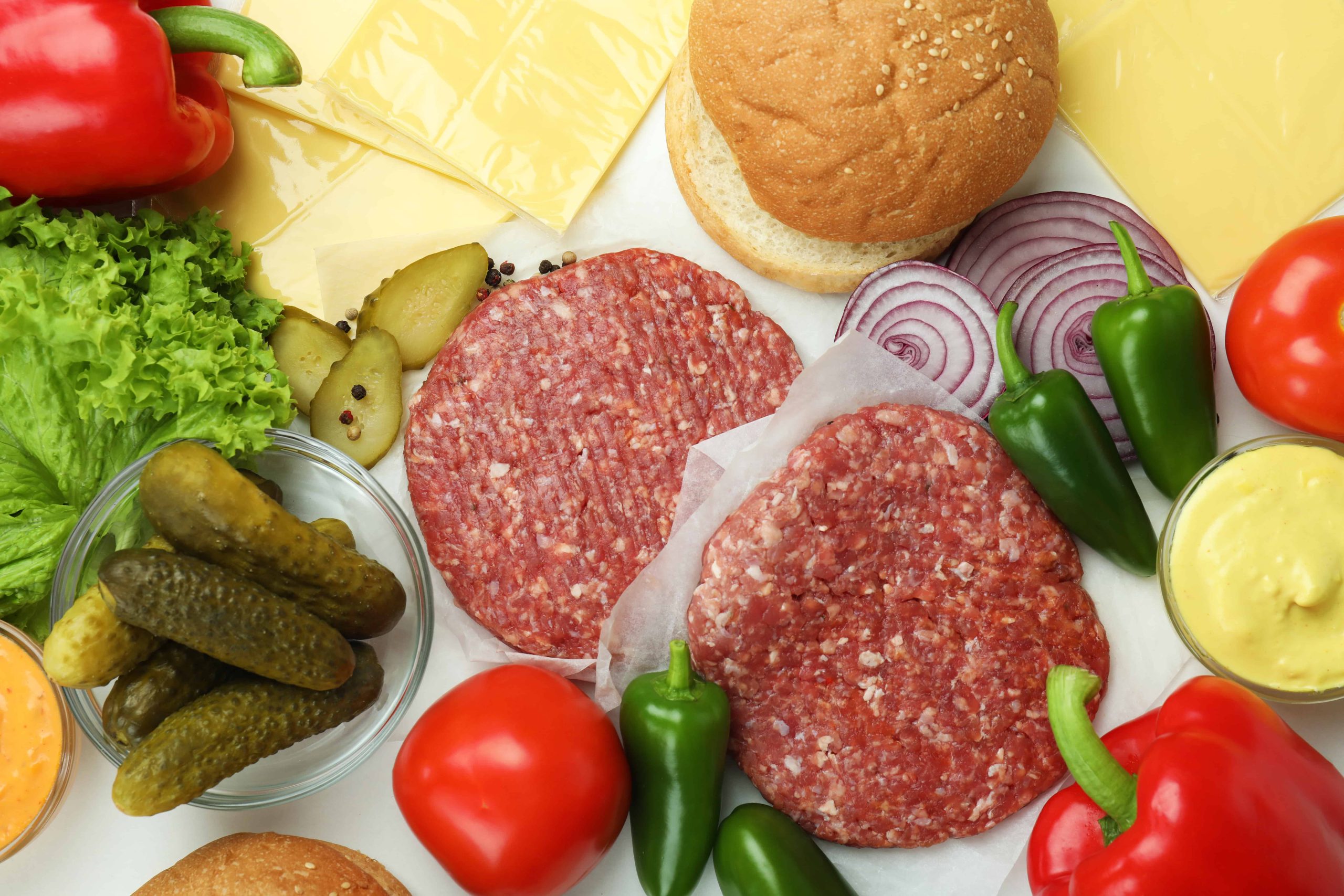
During pregnancy, food safety becomes extremely important because what you eat directly affects your baby’s growth and your own health. Both raw foods and heavily processed foods can carry risks that are often overlooked.
This guide explains the risks of raw and processed foods during pregnancy and how to make safer choices.
Why Food Safety Matters in Pregnancy
Pregnancy lowers the immune system slightly so your body can support the baby. This makes you more vulnerable to:
- Bacterial infections
- Food poisoning
- Parasites
- Nutritional imbalance
That’s why food hygiene and proper cooking are essential.
Risks of Raw Foods During Pregnancy
Raw foods are items that are not fully cooked or properly treated before eating.
1. Raw Meat and Poultry
Examples:
- Undercooked chicken
- Rare beef
- Raw kebabs
Risks:
- Bacterial infections like salmonella or listeria
- Food poisoning
- Fever, vomiting, and dehydration
Safe practice:
Always eat fully cooked meat with no pink or raw parts.
2. Raw Eggs
Examples:
- Runny eggs
- Homemade mayonnaise
- Raw cake batter
Risks:
- Salmonella infection
- Stomach illness
- Weak immunity effects
Safe practice:
Eat fully cooked eggs only.
3. Raw Seafood
Examples:
- Sushi with raw fish
- Raw oysters or shellfish
Risks:
- Parasites
- Bacterial contamination
- Digestive infections
Safe practice:
Avoid raw seafood completely during pregnancy.
4. Unwashed Fruits and Vegetables
Risks:
- Pesticide exposure
- Bacterial contamination
- Parasites like toxoplasmosis
Safe practice:
Wash thoroughly under running water before eating.
Risks of Processed Foods During Pregnancy
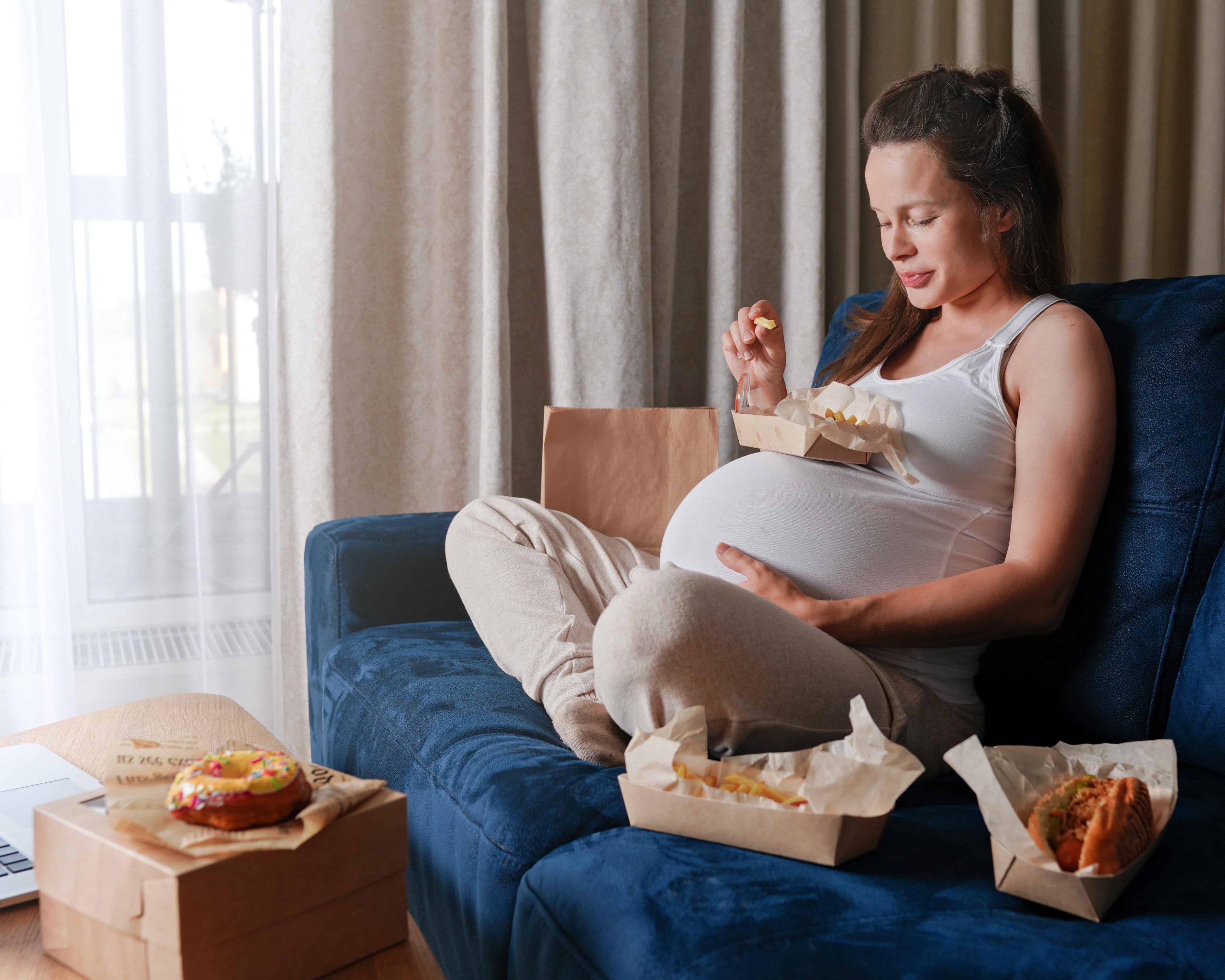
Processed foods are packaged or heavily modified foods with added preservatives, sugar, salt, and chemicals.
1. High Sodium (Salt) Foods
Examples:
- Chips
- Instant noodles
- Packaged snacks
Risks:
- Water retention and swelling
- High blood pressure
- Increased pregnancy complications
2. High Sugar Foods
Examples:
- Soft drinks
- Candy
- Cakes and pastries
Risks:
- Gestational diabetes
- Excess weight gain
- Low energy fluctuations
3. Artificial Additives and Preservatives
Found in:
- Packaged meals
- Fast food
- Ready-to-eat products
Risks:
- Poor nutritional value
- Possible digestive discomfort
- Long-term health concerns
4. Trans Fats and Unhealthy Oils
Examples:
- Fried fast food
- Packaged baked goods
Risks:
- Increased cholesterol levels
- Poor heart health
- Excess weight gain
5. Low Nutritional Value Foods
Examples:
- Chips
- Instant snacks
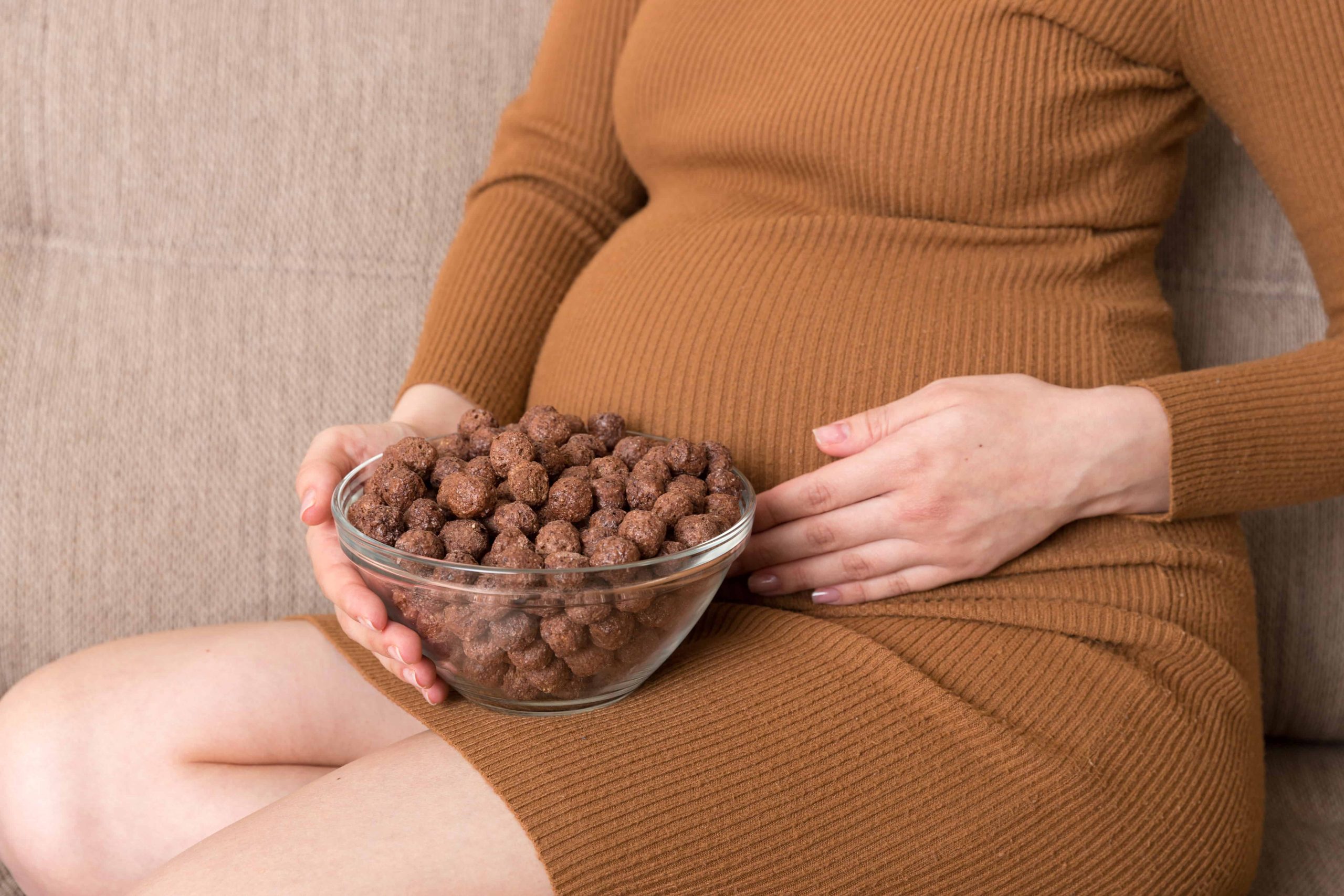
- Sugary cereals
Risks:
- Lack of essential nutrients
- Poor baby development support
- Increased fatigue
Combined Risk: Raw + Processed Diet
When both raw and processed foods are part of the diet, risks increase:
- Higher infection chances
- Poor nutrient intake
- Digestive problems
- Weak immunity
Safe Food Alternatives
Instead of risky foods, choose:
- Fully cooked meals
- Fresh fruits and vegetables
- Whole grains
- Home-cooked food
- Pasteurized dairy products
Healthy Cooking Tips for Pregnancy
- Cook meat thoroughly
- Wash hands before preparing food
- Clean kitchen surfaces regularly
- Store food at proper temperature
- Avoid eating leftover food without reheating
When to Seek Medical Help
Contact your doctor if you experience:
- Severe vomiting or diarrhea
- High fever after eating
- Stomach pain or cramps
- Signs of dehydration
These may indicate food-related infection.
Final Thoughts
Raw and processed foods both carry risks during pregnancy if not handled carefully. While raw foods can cause infections, processed foods often lack nutrition and contain unhealthy additives.
Key takeaways:
- Avoid raw meat, eggs, and seafood completely
- Limit processed and packaged foods
- Focus on fresh, home-cooked meals
- Maintain proper food hygiene