Folic acid is one of the most important nutrients during pregnancy, especially in the early stages. It belongs to the Vitamin B family (Vitamin B9) and plays a crucial role in your baby’s brain, spinal cord, and overall growth.
Doctors often recommend folic acid even before pregnancy begins because it is essential in the earliest weeks when many women do not even know they are pregnant yet.
This guide explains the benefits of folic acid for baby development and why it is so important.
What is Folic Acid?
Folic acid is a synthetic form of folate (Vitamin B9), which is naturally found in foods. It helps the body produce new cells and supports healthy development during pregnancy.
It is usually taken as:
- Tablets or prenatal supplements
- Part of pregnancy multivitamins
- Sometimes included in fortified foods
1. Prevents Neural Tube Defects
One of the most important benefits of folic acid is preventing birth defects of the brain and spine.
It helps reduce the risk of:
- Spina bifida (spinal cord defect)
- Anencephaly (serious brain development issue)
These conditions develop very early in pregnancy, often before a woman knows she is pregnant, which is why early intake is essential.
2. Supports Brain Development
Folic acid plays a key role in the early development of the baby’s brain.
It helps:
- Proper formation of brain cells
- Healthy cognitive development
- Strong nervous system formation
Good folic acid levels support better brain growth in the first trimester.
3. Helps in Cell Growth and Division
During pregnancy, your baby’s body is rapidly forming new cells.
Folic acid:
- Supports DNA formation
- Helps in cell multiplication
- Ensures proper tissue development
This is essential for overall healthy growth.
4. Reduces Risk of Low Birth Weight
Adequate folic acid intake is linked with healthier birth weight.
It helps:
- Support steady fetal growth
- Reduce risk of growth restrictions
- Promote healthy weight gain in the womb
5. Supports Placenta Development
The placenta is the organ that provides nutrients and oxygen to the baby.
Folic acid helps:
- Build a healthy placenta
- Improve nutrient transfer
- Support better pregnancy outcomes
6. Prevents Maternal Anemia
Folic acid also supports red blood cell formation in the mother.
It helps:
- Prevent folate-deficiency anemia
- Improve oxygen supply in the body
- Reduce fatigue and weakness
7. Important Before and During Early Pregnancy
Folic acid is most effective when taken:
- Before conception (pre-pregnancy stage)
- During the first 12 weeks of pregnancy
This is because the baby’s neural tube develops very early.
8. Supports Overall Pregnancy Health
Regular folic acid intake contributes to:
- Healthier pregnancy progression
- Lower risk of complications
- Better energy levels for the mother
- Improved fetal development
Natural Sources of Folic Acid
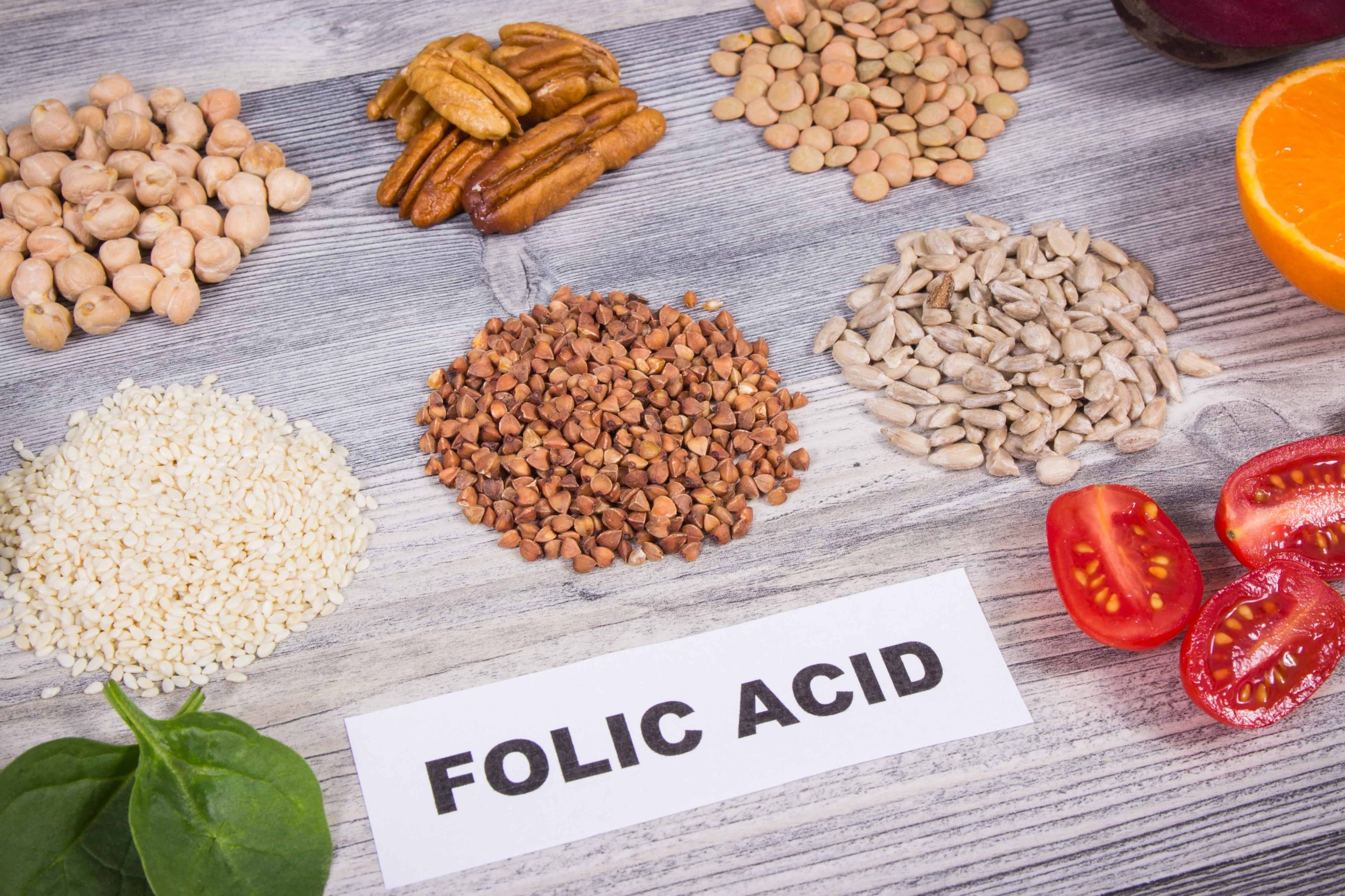
While supplements are important, folate is also found in foods like:
- Leafy green vegetables (spinach, kale)
- Lentils and beans
- Citrus fruits (oranges, lemons)
- Avocados
- Fortified cereals
Recommended Intake (General Guideline)
Most doctors recommend:
- 400–600 micrograms daily during pregnancy
However, the exact dose depends on individual health conditions and should always be guided by a doctor.
Important Tips for Safe Use
- Take folic acid regularly as prescribed
- Do not skip early pregnancy doses
- Combine with a healthy diet
- Avoid self-adjusting dosage
When to Talk to a Doctor
Consult your doctor if:
- You missed early pregnancy supplementation
- You have a history of birth defects
- You are planning pregnancy
Early medical advice is very important.
Final Thoughts
Folic acid is a vital nutrient for healthy baby development, especially in the earliest stages of pregnancy. It supports brain and spinal cord formation, promotes healthy cell growth, and reduces the risk of serious birth defects.
Key takeaways:
- Essential before and during early pregnancy
- Prevents neural tube defects
- Supports brain and overall development
- Should be taken regularly as prescribed