
During pregnancy, your body needs extra vitamins and minerals to support your baby’s growth and maintain your own health. These nutrients help in brain development, bone formation, blood production, and overall pregnancy wellness.
This guide explains the essential vitamins during pregnancy, their benefits, and natural sources.
Why Vitamins Are Important in Pregnancy
Vitamins help:
- Support baby’s organ development
- Strengthen mother’s immune system
- Prevent birth defects
- Improve energy levels
- Support healthy blood and bones
A balanced diet plus doctor-prescribed supplements ensures proper intake.
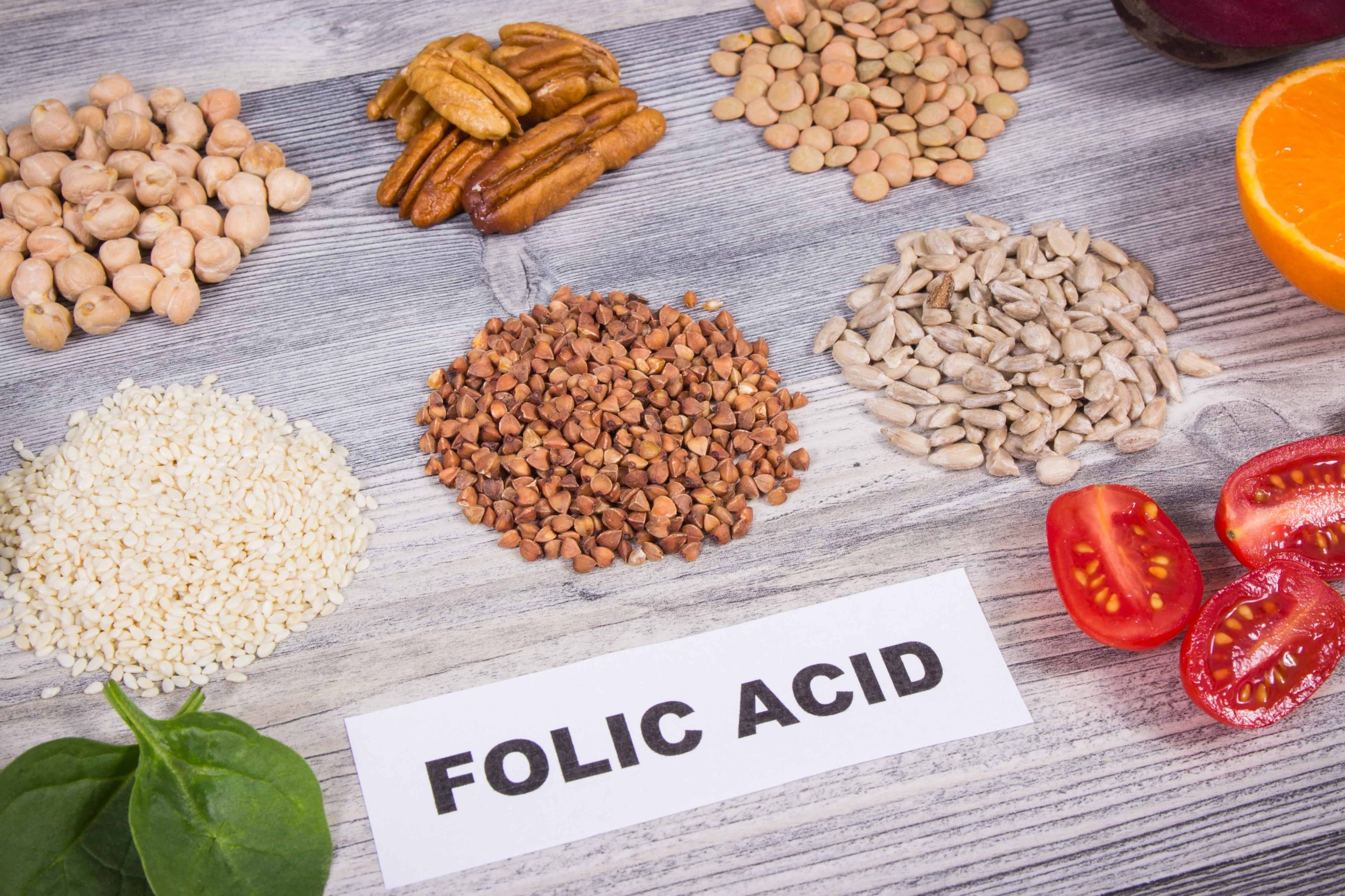
1. Folic Acid (Vitamin B9)
Why It’s Important:
Folic acid is one of the most important pregnancy vitamins, especially in early pregnancy.
It helps:
- Prevent neural tube defects (brain and spine issues)
- Support early brain development
- Aid in cell growth
Natural Sources:
- Leafy green vegetables
- Lentils and beans
- Citrus fruits
- Fortified cereals
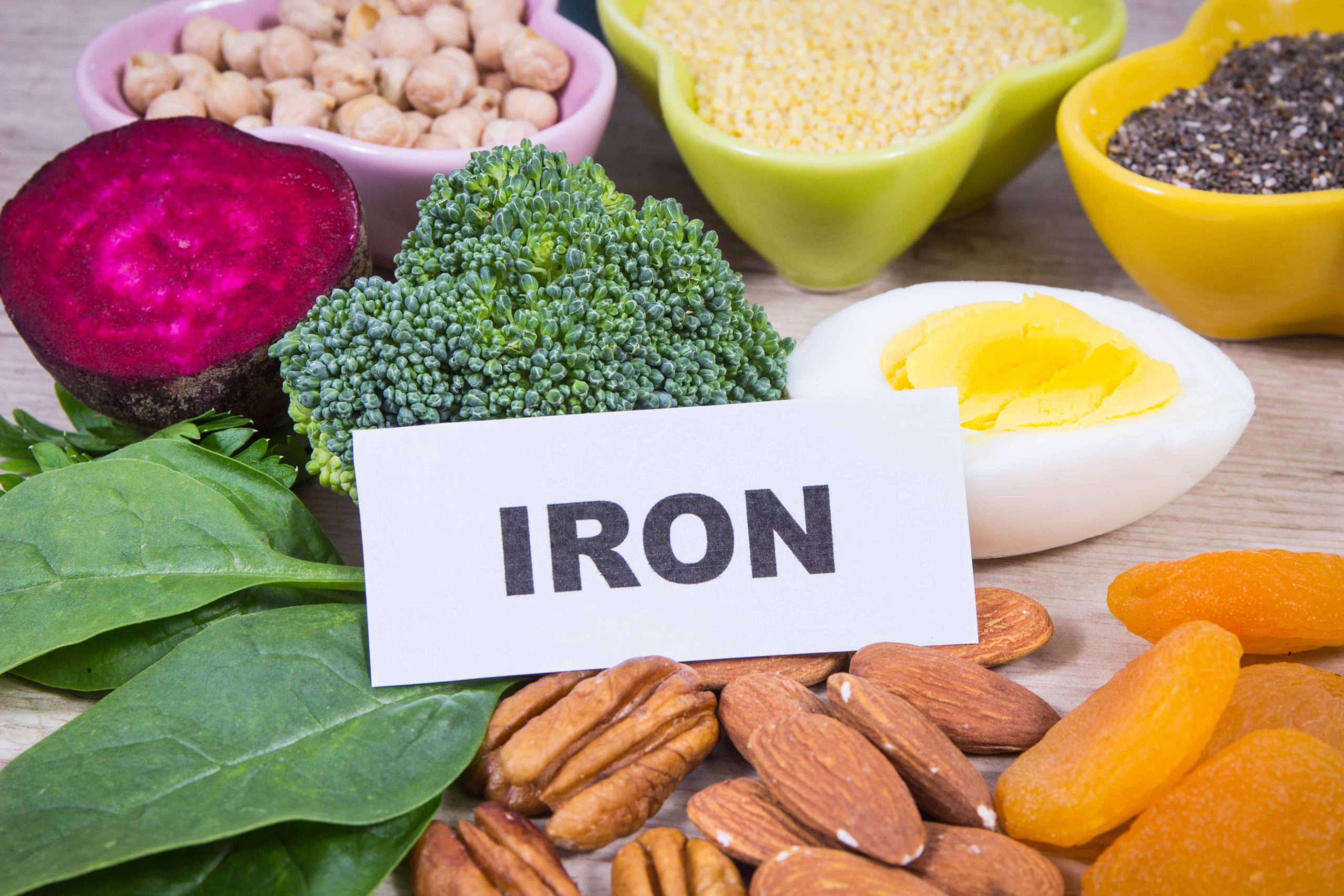
2. Iron
Why It’s Important:
Iron is essential for making hemoglobin, which carries oxygen in the blood.
It helps:
- Prevent anemia
- Reduce fatigue
- Support baby’s growth
Natural Sources:
- Spinach
- Red meat (well cooked)
- Beans and lentils
- Dates and raisins
3. Calcium
Why It’s Important:
Calcium supports bone and teeth development for the baby.
It helps:
- Strengthen baby’s bones
- Maintain mother’s bone health
- Support muscle function
Natural Sources:
- Milk
- Yogurt
- Cheese
- Almonds
4. Vitamin D
Why It’s Important:
Vitamin D helps the body absorb calcium properly.
It helps:
- Strong bone development
- Healthy immune system
- Prevent bone weakness
Natural Sources:
- Sunlight exposure
- Fortified milk
- Egg yolk
- Fish (in moderation)
5. Vitamin C
Why It’s Important:
Vitamin C boosts immunity and helps iron absorption.
It helps:
- Strengthen immune system
- Improve iron absorption
- Support skin and tissue health
Natural Sources:
- Oranges
- Lemons
- Strawberries
- Bell peppers
6. Vitamin B6
Why It’s Important:
Vitamin B6 helps reduce pregnancy nausea and supports brain development.
It helps:
- Reduce morning sickness
- Improve metabolism
- Support nervous system
Natural Sources:
- Bananas
- Chicken
- Nuts
- Whole grains
7. Vitamin B12
Why It’s Important:
Vitamin B12 supports nerve function and red blood cell formation.
It helps:
- Prevent anemia
- Support brain development
- Maintain energy levels
Natural Sources:
- Eggs
- Milk
- Meat
- Fish
8. Vitamin A (in safe amounts)
Why It’s Important:
Vitamin A supports vision and immune system development.
It helps:
- Baby’s eye development
- Healthy skin and immune system
Natural Sources:
- Carrots
- Sweet potatoes
- Spinach
⚠ Important:
Avoid excessive vitamin A supplements, as too much can be harmful.
9. Omega-3 Fatty Acids (DHA)
Why It’s Important:
Although not a vitamin, it is essential during pregnancy.
It helps:
- Brain development
- Eye health
- Nervous system growth
Natural Sources:
- Salmon
- Walnuts
- Flaxseeds
Prenatal Supplements
Doctors often recommend prenatal vitamins containing:
- Folic acid
- Iron
- Calcium
- Vitamin D
- B-complex vitamins
Important:
Always take supplements only as prescribed by your doctor.
Signs of Vitamin Deficiency
Watch for:
- Constant fatigue
- Dizziness
- Weak immunity
- Muscle cramps
- Poor appetite
If you notice these, consult your doctor.
How to Get Enough Vitamins Naturally
- Eat a balanced diet
- Include fruits and vegetables daily
- Drink milk or dairy products
- Eat protein-rich foods
- Stay hydrated
Final Thoughts
Vitamins play a vital role in ensuring a healthy pregnancy and proper baby development. A combination of a balanced diet and doctor-approved supplements is the safest way to meet your nutritional needs.
Key takeaways:
- Folic acid, iron, and calcium are most important
- Eat a variety of fresh foods daily
- Avoid self-prescribed supplements
- Follow your doctor’s guidance
Proper vitamin intake helps support a strong, healthy pregnancy and gives your baby the best start in life.