During pregnancy, your diet directly affects your baby’s growth and your own health. While many foods are beneficial, some can increase the risk of infections, complications, or harm to your baby. Knowing what to avoid is just as important as knowing what to eat.
This guide explains the foods you must avoid during pregnancy and the reasons behind each restriction.
Why Certain Foods Are Unsafe
Some foods can:
- Carry harmful bacteria or parasites
- Contain toxins or high mercury levels
- Affect baby’s development
- Increase risk of miscarriage or complications
That’s why food safety becomes very important during pregnancy.
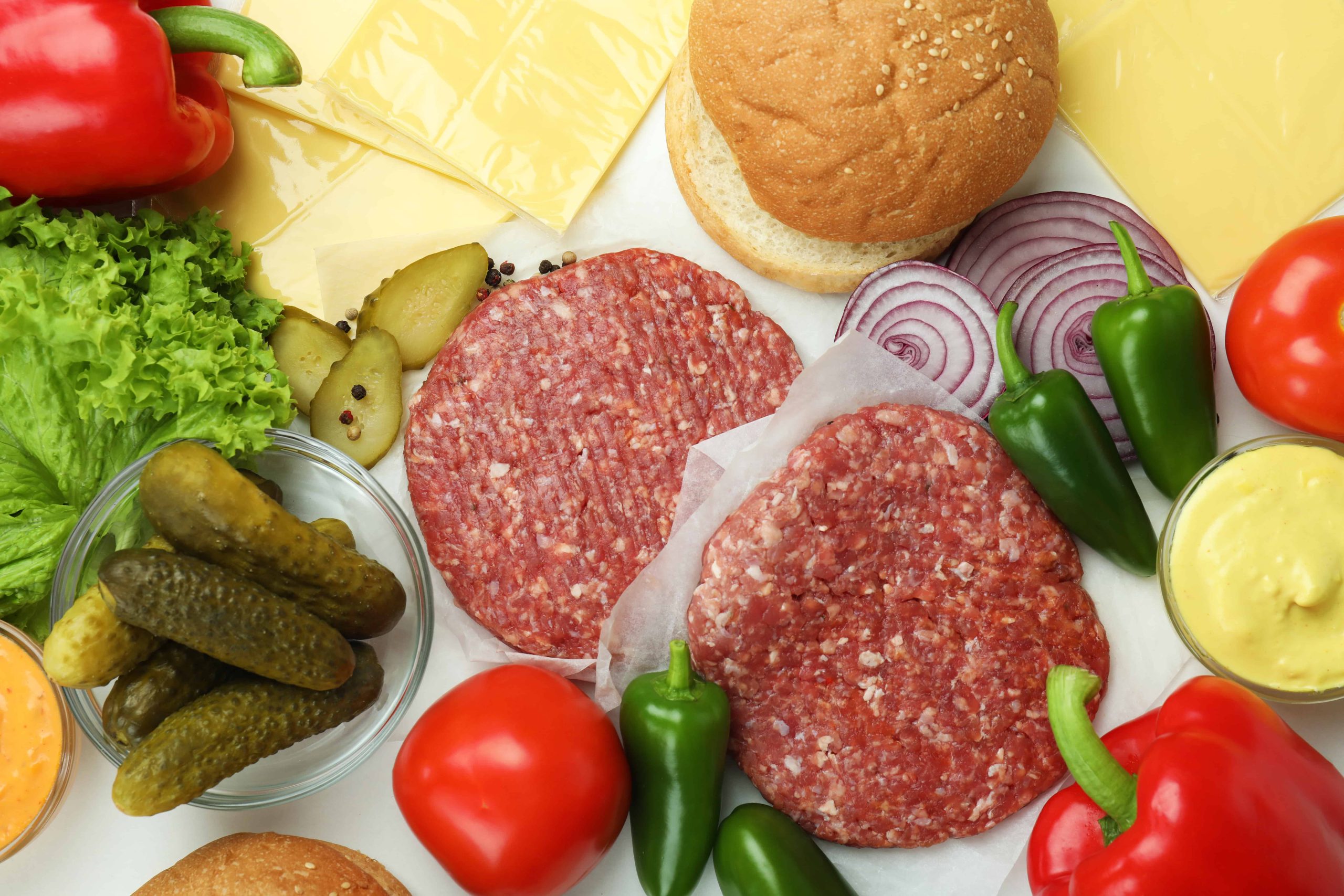
1. Raw or Undercooked Meat
Examples:
- Rare beef
- Undercooked chicken
- Raw kebabs or BBQ
Why to avoid:
- Risk of bacterial infections like salmonella
- Can cause serious illness for mother and baby
Safe alternative:
- Always eat fully cooked meat
2. Raw or Undercooked Eggs
Examples:
- Runny eggs
- Homemade mayonnaise
- Raw cake batter
Why to avoid:
- Risk of salmonella infection
Safe alternative:
- Eat fully cooked eggs only
3. Unpasteurized Dairy Products
Examples:
- Raw milk
- Soft cheeses made from unpasteurized milk
Why to avoid:
- Risk of listeria infection
- Can harm baby and lead to complications
Safe alternative:
- Use pasteurized milk, cheese, and yogurt
4. High-Mercury Fish
Examples:
- Shark
- Swordfish
- King mackerel
Why to avoid:
- High mercury can affect baby’s brain development
Safe alternative:
- Low-mercury fish like salmon (in moderation)
5. Raw Seafood
Examples:
- Sushi with raw fish
- Raw oysters or shellfish
Why to avoid:
- Risk of bacteria and parasites
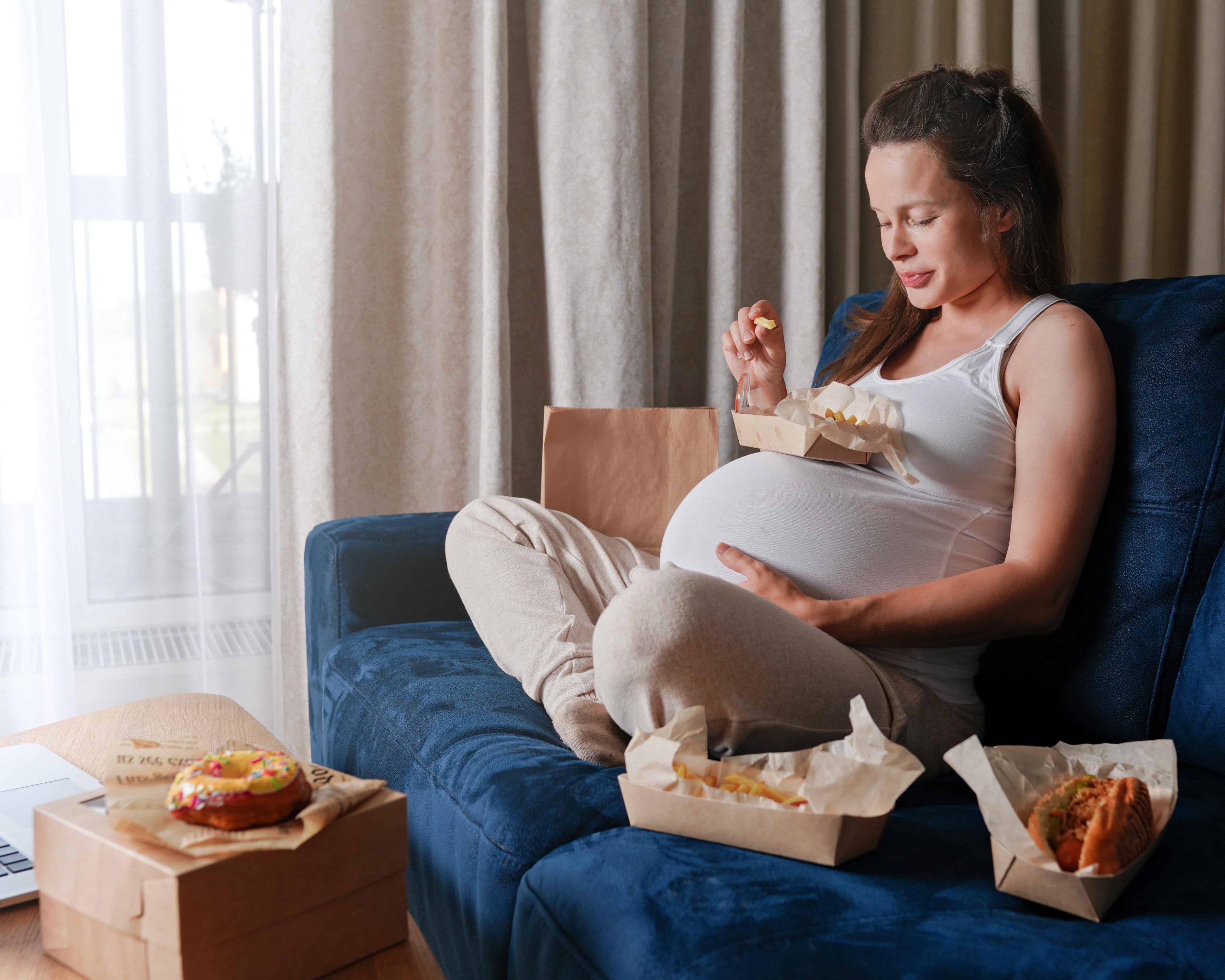
6. Processed and Junk Foods
Examples:
- Chips
- Fast food
- Packaged snacks
Why to avoid:
- Low nutritional value
- High in salt, sugar, and unhealthy fats
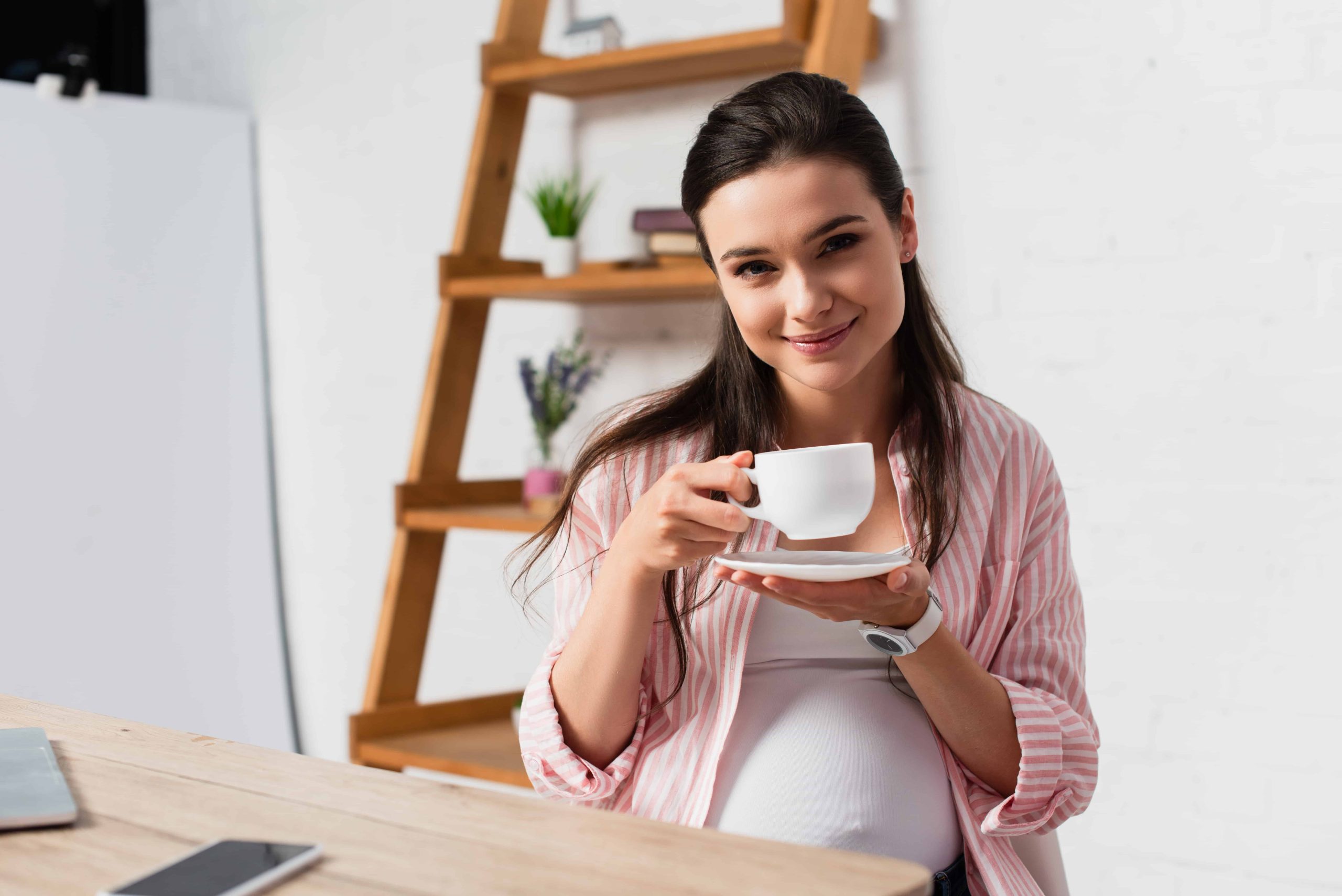
7. Excess Caffeine
Sources:
- Coffee
- Tea
- Energy drinks
Why to limit:
- High caffeine intake may increase risk of low birth weight
- Can affect sleep and heart rate
Safe limit:
- Usually up to 200 mg per day (doctor advice recommended)
8. Alcohol
Why to completely avoid:
- Can cause serious birth defects
- Affects baby’s brain development
- Leads to fetal alcohol syndrome
There is no safe level of alcohol during pregnancy.
9. Unwashed Fruits and Vegetables
Why to avoid:
- May contain harmful bacteria or pesticides
Safe practice:
- Wash thoroughly before eating
10. Street Food and Unhygienic Meals
Why to avoid:
- Risk of contamination
- Poor hygiene conditions
- Higher chance of food poisoning
11. Liver and High Vitamin A Foods (Excess)
Examples:
- Liver dishes
- High-dose vitamin A supplements
Why to avoid:
- Excess vitamin A can cause birth defects
12. Herbal Teas and Supplements (Unverified)
Why to avoid:
- Not all herbal products are safe
- Some may trigger contractions or reactions
Always consult a doctor before use.
Safe Eating Tips During Pregnancy
- Eat freshly cooked food
- Wash hands before meals
- Store food properly
- Avoid leftovers that are not reheated properly
- Choose clean and hygienic food sources
Final Thoughts
Avoiding certain foods during pregnancy is essential for protecting your baby’s health and preventing complications. While the list may seem long, most restrictions are simple to follow with careful planning.
Key takeaways:
- Avoid raw, unpasteurized, and high-risk foods
- Limit caffeine and eliminate alcohol completely
- Focus on hygiene and food safety
- Always choose fresh, well-cooked meals
By making safe food choices, you can ensure a healthier pregnancy and better development for your baby.