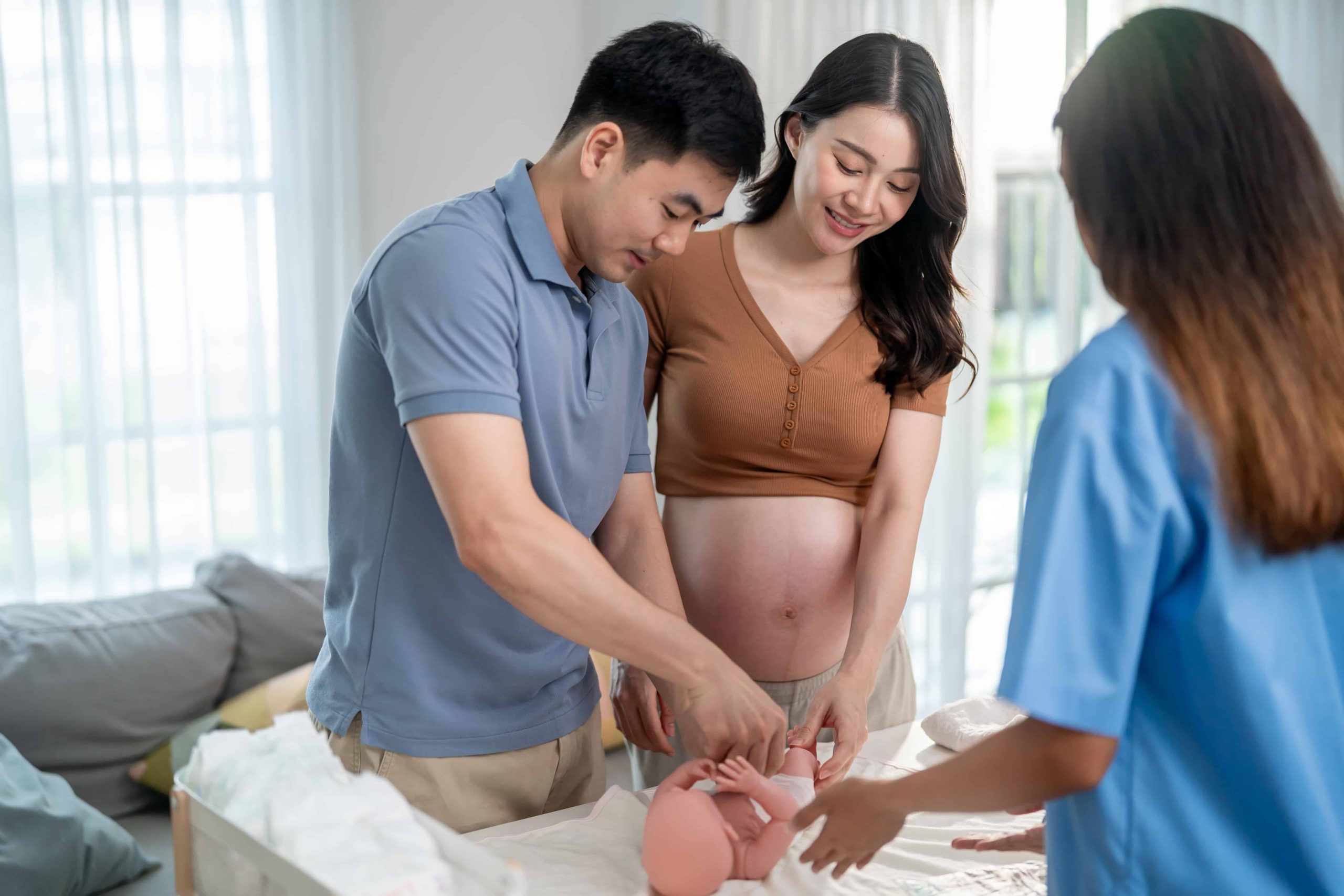
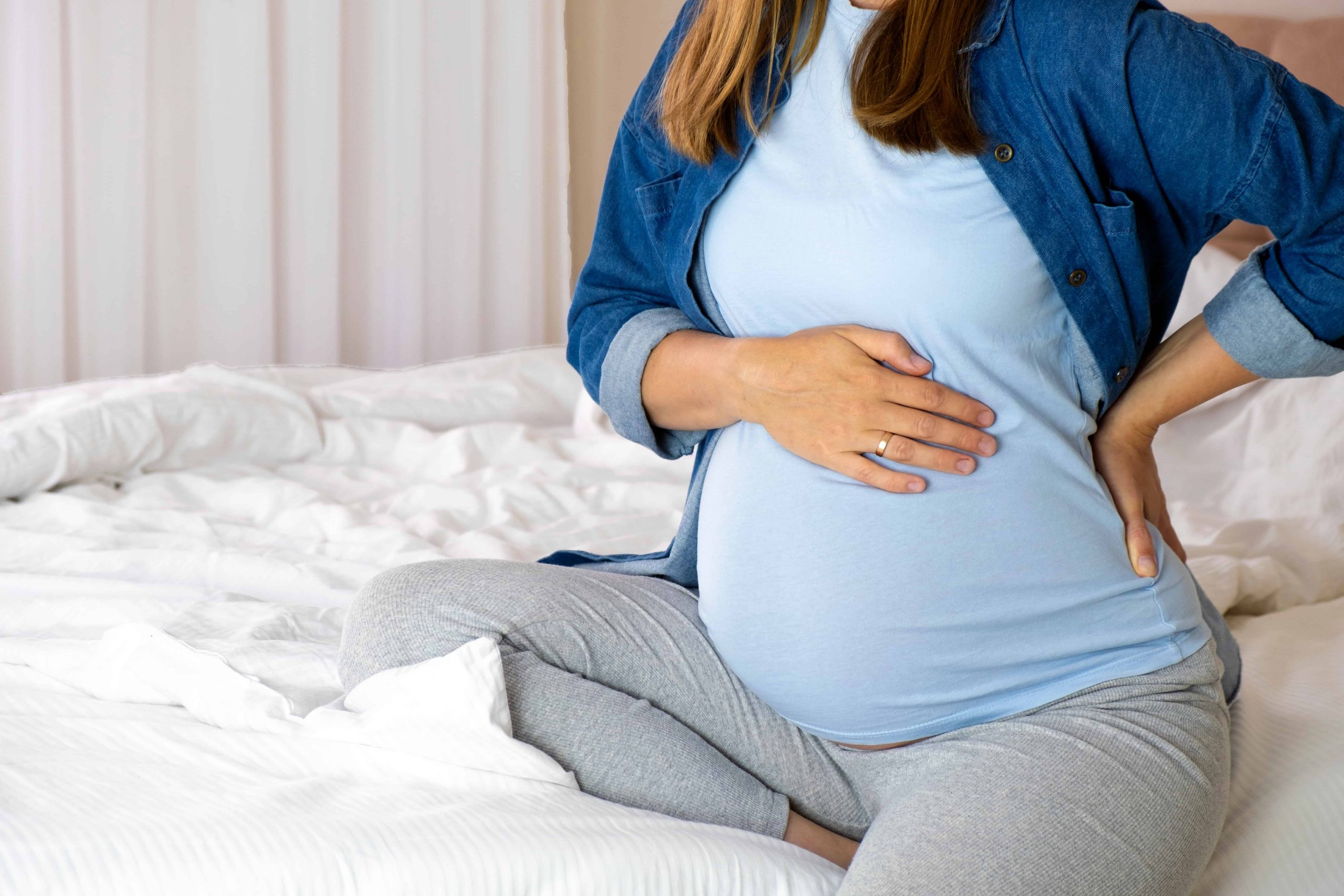
Labor pain is a natural part of childbirth, but not every woman wants or needs medical pain relief. Many mothers prefer to manage pain using natural techniques, either alone or alongside medical options.
These methods focus on relaxing the body, reducing stress, and helping labor progress more comfortably.
Why Natural Pain Management Helps
Natural techniques work by:
- Reducing tension in muscles
- Improving breathing and oxygen flow
- Calming anxiety and fear
- Helping the body work with contractions instead of against them
A relaxed body often experiences labor more smoothly.
1. Breathing Techniques
Controlled breathing is one of the most effective natural methods.
How it helps:
- Reduces pain intensity
- Keeps oxygen flowing to baby
- Helps maintain calm during contractions
Simple method:
- Inhale slowly through the nose
- Exhale gently through the mouth
- Focus on steady rhythm during contractions
2. Movement and Walking
Staying active during early labor can help:
- Reduce pain perception
- Encourage baby to move into proper position
- Speed up labor progression
Helpful positions:
- Walking slowly
- Rocking hips
- Standing and leaning forward
- Using a birthing ball
3. Changing Positions
Different positions can reduce pressure and pain.
Effective positions include:
- Side-lying position
- Kneeling forward
- Sitting upright
- Squatting (if comfortable)
Changing positions regularly helps comfort and labor progress.
4. Massage and Touch Therapy
Gentle massage can provide emotional and physical relief.
Benefits:
- Relaxes tense muscles
- Reduces lower back pain
- Increases comfort during contractions
Areas to focus:
- Lower back
- Shoulders
- Hips
Support from a partner can be very helpful here.
5. Warm Water Therapy
Water is a natural pain reliever.
Options:
- Warm shower
- Bath (if allowed by hospital)
Benefits:
- Relaxes muscles
- Reduces pressure
- Calms the mind
6. Relaxation and Mental Focus
The mind plays a big role in how pain is experienced.
Techniques:
- Listening to calming music
- Visualization (imagining a peaceful place)
- Positive affirmations
- Meditation
Staying mentally calm can reduce fear-based tension.
7. Birthing Ball Exercises
A birthing ball helps support movement.
Benefits:
- Reduces pelvic pressure
- Helps baby move into position
- Encourages smoother contractions
Simple movements:
- Gentle bouncing
- Hip circles
- Leaning forward while sitting
8. Acupressure and Pressure Points
Some women find relief through pressure techniques.
How it works:
- Applying pressure on specific points may reduce pain signals
- Often performed by trained partner or midwife
9. Emotional Support
Support during labor is very important.
Why it helps:
- Reduces fear and anxiety
- Increases confidence
- Helps you stay focused
A calm companion can make a big difference.
10. Staying Hydrated and Nourished
Proper hydration supports energy levels.
Benefits:
- Prevents fatigue
- Helps muscles work efficiently
- Supports overall endurance
When Natural Methods Work Best
Natural pain relief is most effective when:
- Used in early labor
- Combined with movement and breathing
- Supported by a calm environment
Many women also combine natural methods with medical pain relief later in labor.
Limitations of Natural Pain Relief
Natural methods may not:
- Fully remove severe pain
- Work equally for everyone
- Be enough in long or complicated labor
It is important to stay flexible and open to medical options if needed.
Final Thoughts
Natural pain management techniques offer safe, simple, and effective ways to cope with labor. They help you stay active, calm, and in control during childbirth.
Key takeaways:
- Breathing and movement are most effective methods
- Warm water and massage reduce tension
- Mental calmness plays a big role in pain perception
- Natural methods can be combined with medical options if needed
Every labor experience is different, so choosing the right combination of techniques can make childbirth more comfortable and positive.