
- May 4, 2026
- 0
Pain Relief Options During Labor
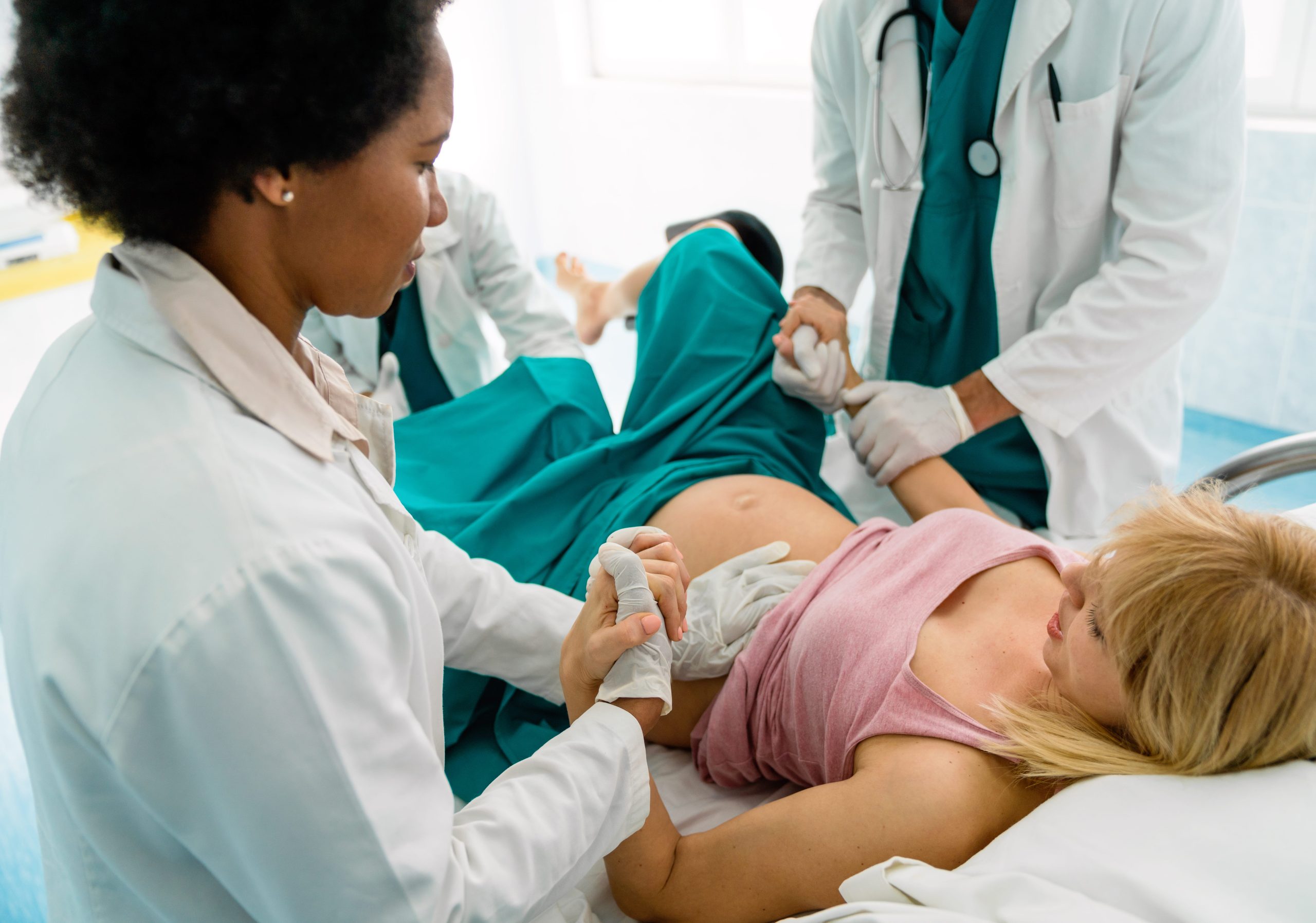
Labor pain is one of the most intense experiences in childbirth, but the good news is that there are several safe and effective pain relief options available. Every woman experiences labor differently, so pain management can be tailored based on preference, health condition, and medical advice.
This guide explains the main pain relief options during labor—both natural and medical.
Why Labor Pain Happens
Labor pain occurs due to:
- Strong uterine contractions
- Cervix opening (dilation)
- Pressure of the baby moving down the birth canal
- Stretching of muscles and tissues
Understanding this helps you know why pain relief is important and how it works.
1. Natural Pain Relief Methods
These methods do not involve medication and are often used in early labor or alongside medical options.
Breathing Techniques
Controlled breathing helps:
- Reduce tension
- Improve oxygen flow
- Calm the body
Common methods include slow deep breathing during contractions.
Movement and Position Changes
Changing positions can help:
- Reduce pressure
- Improve comfort
- Support labor progression
Helpful positions include:
- Walking
- Sitting on a birthing ball
- Lying on your side
Massage and Touch
Gentle massage can:
- Relax muscles
- Reduce back pain
- Provide emotional comfort
Warm Water Therapy
- Warm shower or bath
- Helps relax muscles
- Reduces contraction discomfort
Relaxation and Mental Focus
Techniques like:
- Listening to calming music
- Visualization
- Meditation
These help reduce fear and stress, which can increase pain.
2. Medical Pain Relief Options
These are given in hospitals under medical supervision.
Epidural Anesthesia
What It Is:
A common pain relief method where medication is injected near the spinal area.
How It Works:
- Blocks pain in lower body
- You remain awake during delivery
- Reduces contraction pain significantly
Benefits:
- Highly effective pain relief
- Allows rest during labor
- Does not affect awareness
Possible Side Effects:
- Lower blood pressure
- Reduced ability to move legs
- Mild back soreness
Spinal Block
What It Is:
A single injection into the spinal fluid.
Used For:
- C-section deliveries
- Short-term pain relief
Benefits:
- Fast-acting
- Strong pain relief
IV Pain Medications
What They Are:
Pain relief drugs given through a vein.
Benefits:
- Reduces pain intensity
- Works quickly
Limitations:
- Does not fully remove pain
- Can cause drowsiness
Nitrous Oxide (Laughing Gas)
What It Is:
A gas inhaled during contractions.
Benefits:
- Reduces anxiety
- Quick effect
- Wears off fast
Limitations:
- Mild pain relief only
- Not effective for severe pain
3. Combined Pain Relief Approach
Many women use a combination of:
- Natural methods
- Medical pain relief
This helps balance comfort and safety during labor.
How to Choose Pain Relief Options
Choice depends on:
- Personal comfort level
- Stage of labor
- Medical condition
- Doctor’s recommendation
It is best to discuss options during prenatal visits.
Are Pain Relief Methods Safe?
Yes, most labor pain relief options are safe when:
- Given under medical supervision
- Used at the right stage of labor
- Adjusted according to mother’s condition
Doctors always monitor both mother and baby closely.
When Pain Relief Is Given
Pain relief is usually offered when:
- Contractions become strong and regular
- Labor becomes active
- Mother requests assistance
- Medical need arises
Final Thoughts
Labor pain is natural, but you do not have to go through it without support. There are many safe options available, from breathing techniques to advanced medical anesthesia, to help make childbirth more comfortable.
Key takeaways:
- Natural methods help manage early pain
- Epidural is the most common medical option
- Pain relief is safe when supervised
- Every woman can choose what feels right for her
With the right support and planning, labor can be a more manageable and positive experience.