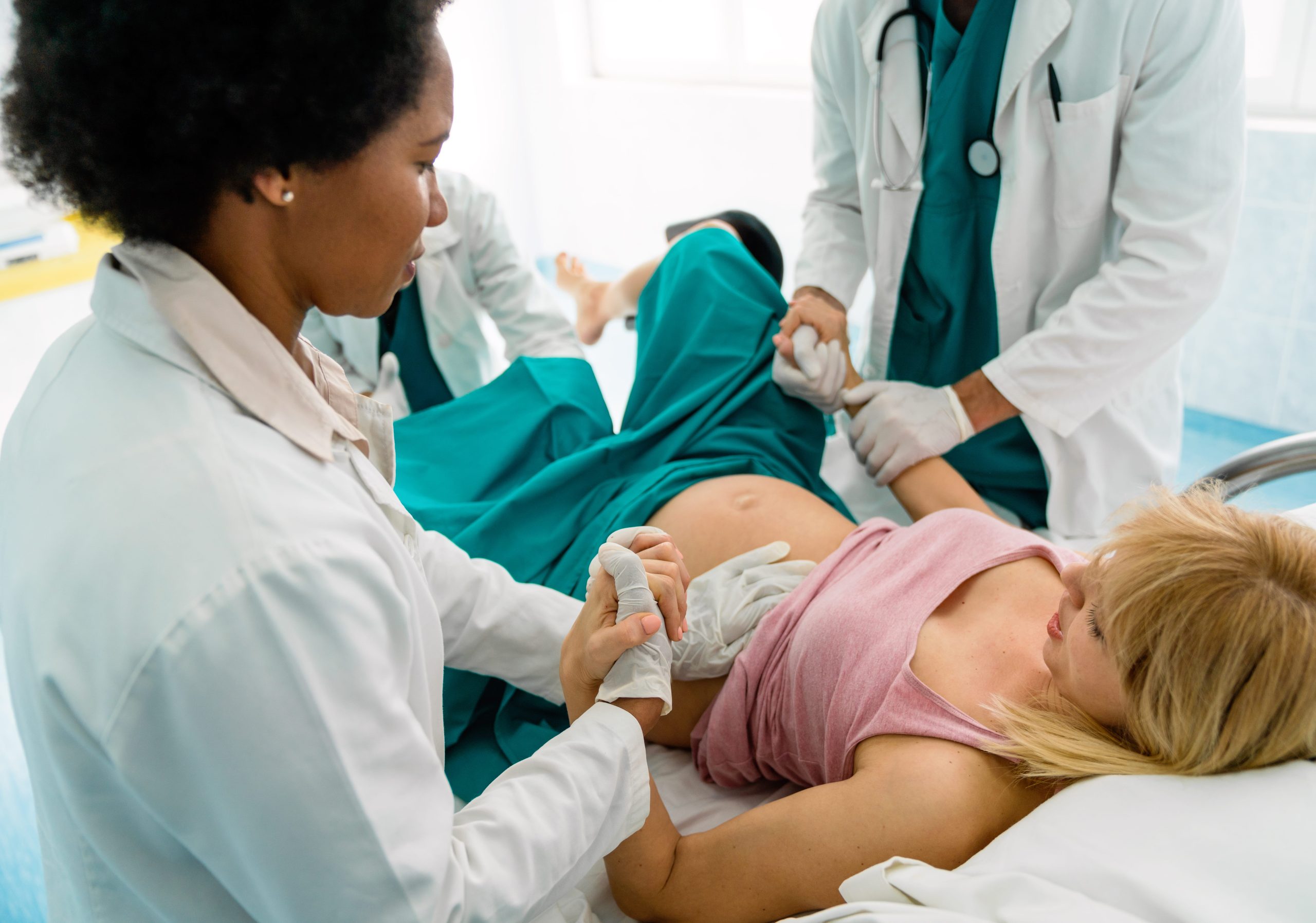

Assisted delivery methods are used when a normal vaginal birth needs extra help to ensure the safety of the mother and baby. These methods are typically used during the second stage of labor (pushing stage) when labor is not progressing smoothly or when the baby needs to be delivered quickly.
This guide explains the main assisted delivery methods, why they are used, and what to expect.
What Is Assisted Delivery?
Assisted delivery means helping the baby come out using medical tools or techniques during vaginal birth. It is only used when necessary and always under a doctor’s supervision.
When Is Assisted Delivery Needed?
Doctors may recommend assisted delivery if:
- Labor is taking too long
- Baby is showing signs of distress
- Mother is too exhausted to push effectively
- Baby is in an unusual position
- Medical conditions require faster delivery (like high blood pressure)
1. Vacuum-Assisted Delivery
What It Is
A vacuum device (soft cup) is gently placed on the baby’s head. Suction is applied to help guide the baby out during contractions.
How It Works
- Cup is attached to baby’s head
- Gentle suction helps during contractions
- Mother continues to push
- Baby is delivered with controlled assistance
Benefits
- Helps avoid C-section in some cases
- Shortens delivery time
- Less invasive than surgery
Possible Risks
- Temporary swelling on baby’s head
- Mild bruising
- Rare scalp injury
2. Forceps-Assisted Delivery
What It Is
Forceps are medical instruments shaped like large spoons used to gently hold the baby’s head and guide it out.
How It Works
- Forceps are placed around baby’s head
- Doctor carefully guides baby during contractions
- Mother continues pushing
- Baby is delivered safely
Benefits
- Very helpful in difficult deliveries
- Allows precise control
- Can be faster in emergency situations
Possible Risks
- Mild facial marks on baby
- Temporary bruising
- Possible vaginal tearing for mother
3. Episiotomy (Assisted Cut During Delivery)
What It Is
An episiotomy is a small surgical cut made in the vaginal area to make delivery easier.
Why It Is Done
- To widen the opening for baby
- To prevent uncontrolled tearing
- To speed up delivery in emergencies
Benefits
- Controlled incision
- Can help prevent severe tears
- Useful in urgent situations
Recovery
- Requires stitches
- Heals in a few weeks
- May cause temporary discomfort
4. Induced Assisted Delivery
What It Is
Labor is started or sped up using medical methods.
Methods Used
- Medicines to start contractions
- Breaking of water (amniotomy)
- Hormone-based medications
Why It Is Done
- Overdue pregnancy
- Medical complications
- Slow or stalled labor
Assisted Delivery vs Normal Delivery
Normal Delivery:
- No tools or medical assistance
- Natural progression of labor
- Pushing without intervention
Assisted Delivery:
- Uses vacuum, forceps, or procedures
- Helps complete delivery safely
- Used only when necessary
Benefits of Assisted Delivery
- Can avoid emergency C-section
- Helps in difficult or prolonged labor
- Ensures baby is delivered safely
- Reduces risk of complications in certain cases
Risks of Assisted Delivery
While generally safe, possible risks include:
For Baby:
- Temporary marks or swelling
- Mild bruising
- Rare minor injuries
For Mother:
- Vaginal tearing
- Pain during recovery
- Need for stitches
Recovery After Assisted Delivery
Recovery depends on the method used:
- Mild soreness in vaginal area
- Stitches may be needed (episiotomy or tearing)
- Rest is important
- Pain usually improves within a few weeks
When Doctors Choose Assisted Delivery
Doctors always choose the safest option based on:
- Mother’s health condition
- Baby’s heart rate and position
- Progress of labor
- Emergency situations
Final Thoughts
Assisted delivery methods are safe and commonly used when needed. They help ensure that both mother and baby remain safe when natural delivery alone is not progressing well.
Key takeaways:
- Used when labor needs extra help
- Includes vacuum, forceps, episiotomy, and induction
- Helps avoid complications or C-section in some cases
- Always performed under medical supervision
Understanding assisted delivery methods helps you feel more prepared and less anxious about different birth possibilities.