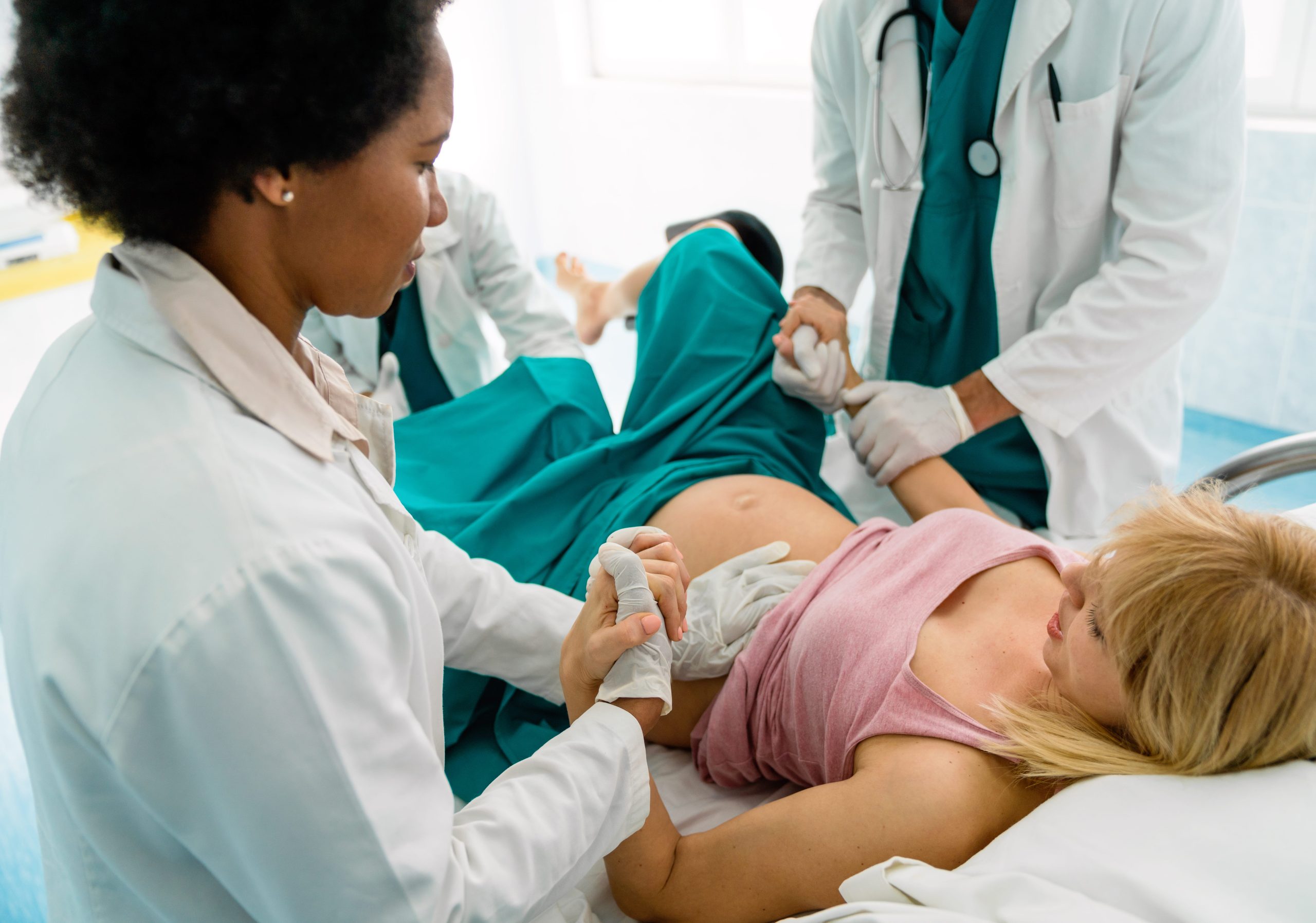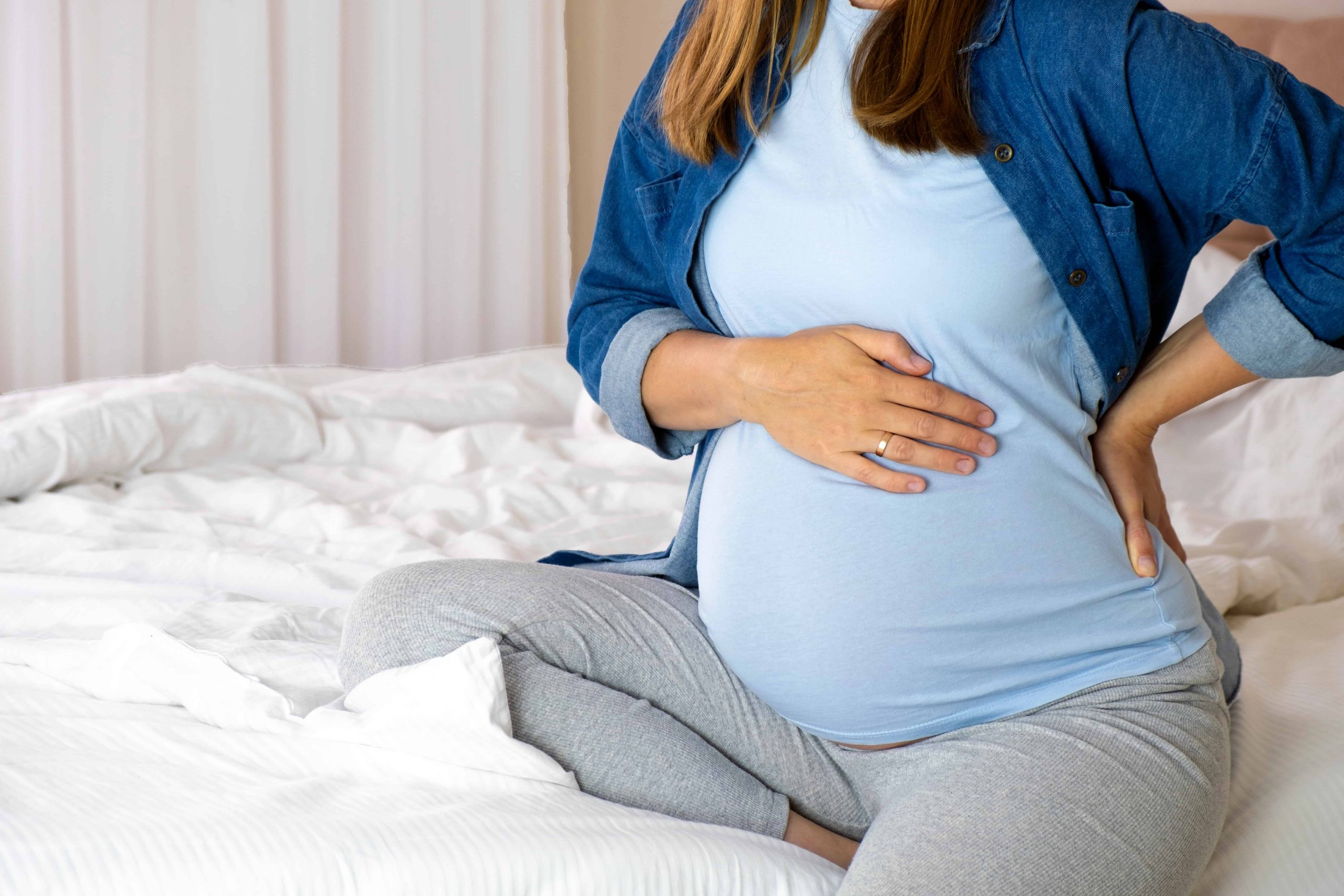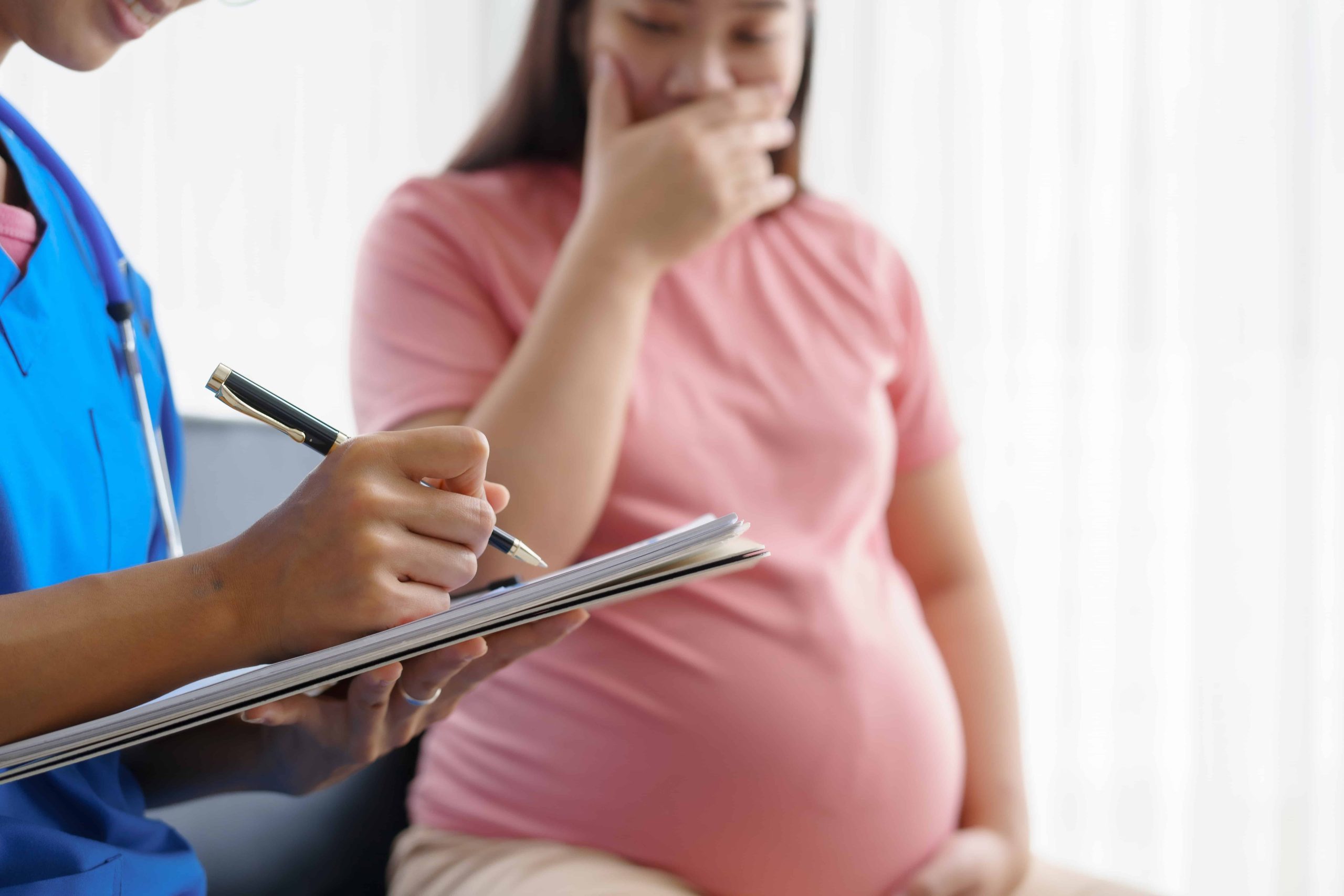

Natural birth, also known as vaginal delivery, is when a baby is delivered through the birth canal without surgical intervention. It is the most common method of childbirth and is often recommended when there are no medical complications.
Like any medical process, natural birth has both advantages and disadvantages. Understanding them helps expectant mothers make informed decisions with their doctors.
What Is Natural Birth?
Natural birth involves:
- Labor contractions that open the cervix
- Pushing stage where the baby moves through the birth canal
- Delivery without surgery or major medical intervention
It can be assisted (with pain relief or minor tools) or completely unassisted depending on the situation.
Pros of Natural Birth
1. Faster Recovery
One of the biggest benefits is recovery time.
- Most mothers can walk within hours
- Shorter hospital stay
- Faster return to daily activities
2. Lower Risk of Major Surgery Complications
Since there is no surgery involved:
- No surgical incision
- No anesthesia-related risks
- Lower chance of infection compared to C-section
3. Natural Hormone Release
During natural birth, the body releases hormones like:
- Oxytocin (helps bonding and contractions)
- Endorphins (natural pain relief)
These support emotional bonding between mother and baby.
4. Better for Baby’s Immune System
During vaginal delivery:
- Baby is exposed to beneficial bacteria
- Helps develop stronger immunity
- Supports gut health
5. Easier Breastfeeding Start
Hormones released during natural birth can:
- Help milk production start earlier
- Improve mother-baby bonding
- Make breastfeeding more natural
6. Shorter Hospital Stay
Most women:
- Stay 1–2 days or less
- Can recover at home sooner
Cons of Natural Birth
1. Labor Pain
One of the biggest challenges:
- Strong and intense contractions
- Pain during dilation and pushing
- Can last several hours
Pain relief options are available, but discomfort is still a concern for many women.
2. Long and Unpredictable Process
Natural birth can:
- Take hours or even longer
- Vary greatly from person to person
- Be physically exhausting
3. Risk of Tearing
During delivery:
- Vaginal or perineal tears may occur
- Stitches may be required
- Healing may take time
4. Pelvic Floor Strain
Natural birth can sometimes lead to:
- Weak pelvic muscles
- Urinary leakage in some cases
- Temporary discomfort
Exercises can help recovery.
5. Emergency Intervention Risk
In some cases:
- Labor may not progress
- Baby may show distress
- Emergency C-section may be required
When Natural Birth Is Recommended
Doctors usually recommend it when:
- Pregnancy is low-risk
- Baby is in head-down position
- No complications are present
- Mother and baby are healthy
When Natural Birth May Not Be Suitable
It may not be recommended if:
- Baby is breech or sideways
- Placenta is low-lying
- Mother has certain medical conditions
- Baby is in distress
- Multiple pregnancy complications exist
Pain Management Options in Natural Birth
To make labor easier, options may include:
- Breathing techniques
- Epidural anesthesia
- Water birth (in some cases)
- Movement and position changes
Recovery After Natural Birth
Recovery is usually:
- Faster compared to C-section
- Mild pain or soreness for a few days
- Gradual return to normal activities
Final Thoughts
Natural birth is a natural and safe way of delivering a baby when conditions are normal. It offers many benefits like faster recovery, natural bonding, and lower surgical risks, but it also comes with pain and unpredictability.
Key takeaways:
- Natural birth is safe for most low-risk pregnancies
- Recovery is generally quicker
- Labor pain and duration are main challenges
- Medical guidance is essential for choosing the right delivery method
Every pregnancy is unique, and the best delivery option is always the one that ensures safety for both mother and baby.