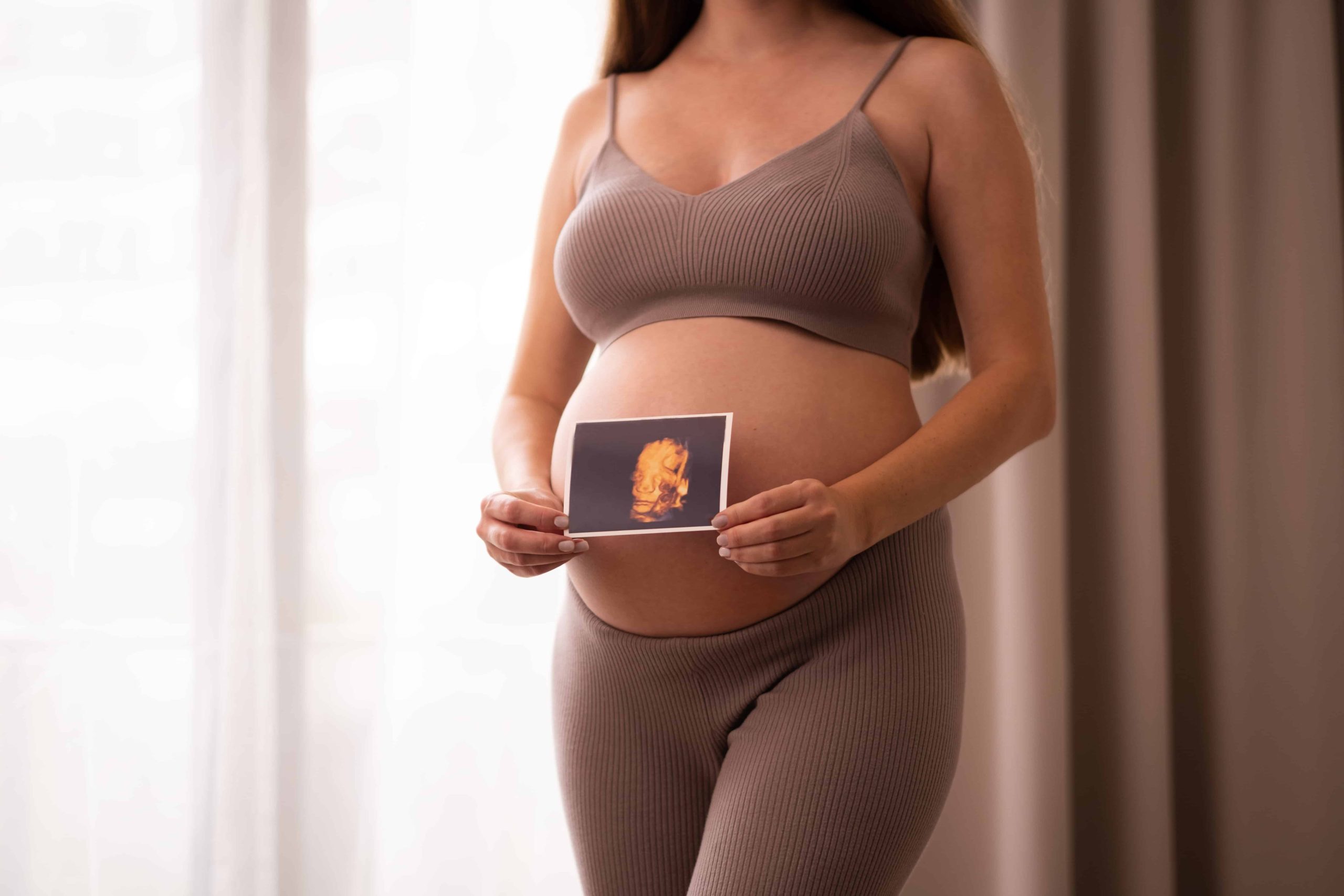
Feeling your baby move for the first time is one of the most exciting moments in pregnancy. These early movements are called “quickening,” and they mark an important milestone in your baby’s development.
But many moms wonder: When exactly do baby kicks start, and what do they feel like?
This guide explains everything you need to know about baby movements during pregnancy.
When Do Baby Kicks Start?
Most women start feeling baby movements between:
- Week 16 to 25 of pregnancy
However, the exact timing can vary depending on several factors.
First-time mothers:
- Usually feel kicks around 18–25 weeks
Second-time or experienced mothers:
- May feel movements as early as 16–18 weeks
This is because they are more familiar with the sensation.
What Do Baby Kicks Feel Like?
Early movements are very subtle and often confused with other sensations.
They may feel like:
- Gentle fluttering
- Light bubbling in the stomach
- Small tapping sensations
- “Butterflies” in the abdomen
- Soft rolling movements
As pregnancy progresses, these movements become stronger and more noticeable kicks.
How Baby Movement Develops Over Time
1. Early Movements (16–20 weeks)
- Very light flutters
- Easy to miss
- Baby is still small
2. Noticeable Kicks (20–28 weeks)
- Clear kicks and rolls
- More frequent movement
- Can be felt when resting
3. Strong Movements (28–36 weeks)
- Powerful kicks and stretches
- Baby responds to sound and touch
- Movement patterns become regular
4. Final Weeks (36+ weeks)
- Movement space becomes limited
- Kicks may feel different (more stretching than kicking)
- Still important to feel regular movement
Factors That Affect When You Feel Kicks
Several things can influence when you notice your baby moving:
1. Placenta Position
- An anterior placenta (front wall) can cushion movements
- May delay feeling kicks
2. Baby’s Position
- Some positions make movement harder to feel early on
3. Body Type
- Slim women may feel movements earlier
- Higher body fat may delay sensations slightly
4. Activity Level
- You notice kicks more when resting or lying down
- Busy movement during the day may mask them
When Should You Start Counting Kicks?
Doctors usually recommend tracking movement from:
- Week 28 onwards
At this stage, movements become regular and more predictable.
Normal Baby Movement Pattern
A healthy baby typically:
- Moves multiple times a day
- Has active and resting cycles
- Becomes more active after meals or at night
When to Be Concerned
Contact your doctor if you notice:
- No movement after 25 weeks
- Sudden decrease in activity
- No movement during expected active times
- Unusual change in movement pattern
How to Encourage Baby Movement
If you want to feel your baby move:
- Lie down on your side
- Drink something cold or sweet
- Gently touch your belly
- Listen to calming music
These can sometimes stimulate movement.
Final Thoughts
Baby kicks usually start between 16 and 25 weeks, but every pregnancy is different. Early movements feel like soft flutters and gradually become stronger kicks as your baby grows.
Key takeaways:
- First movements usually appear in the second trimester
- First-time moms may feel them later
- Movements become stronger over time
- Regular movement is a sign of healthy development
Feeling your baby move is a special connection that grows stronger as your pregnancy progresses.